Today, I want to talk about how just showing up every day—day after day—will always be talent. Consistency is usually the key to everything in life. Consistency eliminates excuses and builds up real trust in yourself.
Over the years, I’ve slowly discovered that it’s the small, ordinary actions performed every day, or week, that create extraordinary outcomes. If you just show up daily or weekly, your momentum builds on its own. That sense of reliability matters infinitely more to you than having somebody else’s approval.
Real and lasting transformation isn’t achieved loudly and once in a flashy way, but rather quietly through persistent effort that compounds over time. When you know that you will honour your commitments to yourself, you unconsciously become someone that you can truly believe in.
When you skip showing up, your motivation evaporates, and your progress stops. However, if you’re consistent, it will gradually transform any humble effort into remarkable results in the long run. Consistency is the only bridge between dreaming of something and actually creating it.
Here are some examples:
– if you regularly train three times a week, even for short periods, you’ll find that in around six months you’ll become much stronger, fitter, healthier, and genuinely come to enjoy it. That’s what consistency builds.
– If you practice one skill for just 15 minutes daily, a year later, you will have devoted over 91 hours to mastering it. Your real expertise then emerges quietly.
– If you save just £10 weekly, by the end of the year you will have saved £520 without feeling it. Wealth always grows when you show up faithfully like this.
However, it’s also true that rigid routines can sometimes stifle growth and overlook what actually needs to change. Life isn’t predictable, and sometimes flexibility matters more than stubborn repetition. Blind consistency also risks missing crucial moments.
So today, show up for yourself consistently in small, quiet ways. Real change happens there, not in grand gestures, just through daily repetition. Remember, consistency is the key to everything!
Today I want to talk to you about why we so often mistake quantity for quality. It’s a tempting way to measure progress, but it’s a really bad bargain, and the cost tends to show up quietly, in work that never quite does what it was supposed to do.
Have you ever noticed how we seem to have built a world that counts things? Hours worked, tasks finished, content published, etc? The unspoken assumption behind all of this is that whoever produces the most must be doing the best work.
There’s something genuinely satisfying about a long to-do list with things crossed off it. But crossing things off and doing them well are not the same achievement. That difference is usually invisible; right up until the moment it suddenly isn’t! What changes things isn’t doing less; it’s doing things with more care instead.
The second look before you finish something and send it. The hour spent on the one thing that matters, rather than doing the 10 other things that just need doing. That’s not perfectionism; that’s the difference between doing work that holds up and doing work that quietly and quickly disappoints you and others.
Here are some examples:
– Someone who reads only 20 pages of a book with real focus will retain far more than one who skims 100 pages for the sake of it. Understanding and coverage are not the same thing.
– A small business owner who delivers 10 genuinely good customer experiences will earn more referrals than one who processes 50 transactions without much thought. People remember the ones who paid attention.
– A writer who produces one considered article a week will earn a more loyal readership than one who publishes daily content that never quite says anything. Readers return for substance, not frequency.
Paradoxically, there is actually a fair argument for volume, as producing a lot is how you build a skill. Not everything here needs to be a masterpiece, and sometimes, done really is better than endlessly revised. The problem isn’t quantity itself; it’s when quantity becomes a habit that we stop questioning.
So, today, remember that the goal was never to do more, it was always just to do better, and to do it in a way you can stand behind, so that you can consciously realise whenever possible that we so often mistake quantity for quality!
Today, I want to talk to you about why you’re more suggestible than you think, and how you can use this to your advantage if you do it right. That’s because your brain can’t actually tell the difference between someone else’s external voice and your own internal voice.
You know how someone criticises you once, and it sticks in your head for years? Or how a passing comment from someone at the beginning of the day can ruin your whole day? That’s suggestibility at work. All you’re doing here is believing something positive about yourself.
This means that whatever you say to yourself has exactly the same power as what someone else says. This isn’t just positive thinking; you’re already proving how suggestible you are every time you believe something negative about yourself.
The only question is then whether you keep letting random people programme your brain, or whether you’re going to start doing it deliberately yourself. If you’re going to be suggestible anyway, you might as well be suggestible to positive things you say, not negative and harmful things that others say.
Here are some examples:
– Athletes use this technique all the time, without necessarily realising it. They say things like, “I’m stronger than I think”, or “I’ve got this” during a difficult stretch. This makes it feel easier for them because their minds accept it and their bodies respond accordingly.
– Morning self-talk changes how your day goes. Tell yourself you can handle whatever comes up that day whilst having breakfast, and you’ll notice you approach problems differently that day; not because you’re magical, but because you’ve given your brain an instruction and it’s following it.
– When panic or anxiety starts building up, telling yourself you’re calming down actually works. This is because your suggestible brain treats it as information rather than just wishful thinking. This thinking then starts shifting your nervous system to match what you’ve said.
But you can’t just tell yourself you have abilities you haven’t developed or circumstances that don’t exist. Telling yourself you’re fluent in another language won’t help if you’ve never learned it. Self-suggestion only works with psychology and behaviour, not with objective reality, or skills that require actual practice.
So, today, remember to use your own suggestibility on purpose. Deliberately say to yourself what you need to hear. Plant seeds in your mind that actually help you, and let your mind believe what it’s told. You are susceptible to things other people say, so start saying things to yourself, and you will believe them!
Today, I want to talk to you about how the Ship of Theseus thought experiment may be the most useful question you have never properly sat with. (Theseus was the hero in Greek mythology, famous for slaying the Minotaur).
The Ship of Theseus story is about a legendary ship preserved in Athens, whose planks were replaced one by one as they decayed. Eventually, nothing original remained, raising one of philosophy’s greatest unanswered questions: is it still the same ship?
Most people pause at that. The pause is where the thinking starts. It’s not really about ships at all. It’s asking what holds anything together across time. Is it the material, the memory, the meaning, or simply the story we keep telling ourselves? That question has no clean answer, and that is the point.
Here are some examples:
– Your body replaces most of its cells roughly every seven to ten years, yet no one seriously disputes that you are still you. Identity is not a matter of matter alone.
– A childhood home rebuilt after a fire, brick by brick, is still called their home by everyone who grew up there. Memory makes it real in a way that materials never can.
– A long marriage holds two people who have each changed almost beyond recognition from the day they first met. What persists is not the people they were, but what they’ve quietly built together.
Yet some things do become entirely different; insisting otherwise can blind you to what something is now. Someone once said, “A person never crosses the same river twice, because the river is never the same and the person is never the same”, yet we do return and feel we’re visiting the same place.
So, today, try to ask yourself, what is truly holding together the things and people you care about. Once you start looking, you find this question everywhere, so we can really learn from the Ship of Theseus thought experiment!
Today, I want to talk to you about why the more you chase a forgotten thought, the more it runs away from you. I’ve noticed this happens to me constantly, and I’m guessing it happens to you, too.
The moment you start chasing a thought that you have or want to remember, you’ve already lost and you have forgotten it. That tight, desperate grip we place on our memory sometimes only pushes it further away. The harder we squeeze, the more it escapes. It’s really frustrating and irritating, isn’t it?
This is because your mind usually works better when you’re not interrogating it. It’s almost as though focusing conscious attention on a blank space makes it deeper, whereas you’ve got to stop looking to actually find it.
There’s something almost spiritual about letting go. It’s not laziness, it’s just knowing when to step back and realising that the best way through sometimes isn’t always pushing straight ahead.
Here are some examples:
You’re mid-sentence talking to someone new and, even though they just told you it, their name just vanishes. You search and search your brain, feeling foolish. Then you’re buttering toast later, and suddenly there it is.
That song you always loved plays constantly in your head, but try as you might, for the life of you, you just can’t remember its title. You hum it obsessively for days, getting nowhere. Then one morning, it just appears in your mind without warning.
Your keys. You’ve lost them again! You ransack the house frantically, growing more panicked. You stop, breathe, and give up the search, then spot them on the windowsill immediately.
Some will always argue that you need discipline and deliberate practice to strengthen memory. They’re not entirely wrong: focused study does help sometimes. But there’s a real difference between learning something new and recovering something already known.
So, today, try to notice when you’re gripping too tightly at a thought. Loosen your hold, breathe, and let it breathe and remember that the more you chase a forgotten thought, the more it runs away from you!
Today, I want to talk about how lasting habits only develop through consistent practice. Strangely, you don’t always need motivation or determination to achieve something; you simply need to show up, sometimes day after day, and do the same thing, no matter how small that thing is.
Over the years, I’ve discovered through trial and error that it’s usually the tiny, repeated actions which compound into significant and real change. Our brains are endlessly adaptable, and every time we repeat something, the neural pathways in our brain and body become stronger.
Before you know it, that behaviour becomes second nature. A good example is learning a new language or musical instrument. If you study something new like this for just 10 minutes daily, you find your competence builds naturally, and you become more expert at it, without even noticing it happening.
Here are some other examples:
Try to start your morning with just 10 minutes or so of gentle stretching or movement, and within days or weeks, you will find that you feel physically different in the mornings, as your body will remember what it has enjoyed doing.
Try to write just a few hundred words daily, and you find over time that your writing improves in ways that feel almost magical. The pages that you write will also accumulate faster than you’d ever believe.
Try calling someone you care about weekly, and you soon find that your relationship with them becomes richer and more real; any distance usually disappears when you stay consistently connected with someone.
However, it is really important to stress that some people argue that this type of approach sometimes ignores practical circumstances or genuine hardship. Not everyone has the luxury of stability, that can support a routine. Additionally, life is sometimes chaotic and time isn’t always within our control.
So, today, remember that showing up consistently can often transform everything for you, but remember also that the truth is messy sometimes, as some days you’ll miss your practice. If that happens, the only thing that matters is returning, as lasting habits only develop through consistent practice!
Today, I want to talk about how focusing solely on the present may not always be a smart strategy. It’s essential to prevent distractions from affecting you when you need to focus, but sometimes, to prevent yourself from being distracted more, you actually need to allow a brief distraction!
We often hear people say that we need to be present, be mindful, or only live in the moment. However, whilst this is sound theoretically, trying to adhere practically to this without fail can be both exhausting and counterproductive.
Your mind needs space to breathe, plan, and imagine, and being trapped entirely in the present sometimes prevents you from building something worthwhile for tomorrow. Yes, the moment now is important, probably quite profoundly, but you can’t focus all the time.
Balance is crucial in these situations. You have to do your best to position yourself where you can focus without losing perspective, but you also have to allow yourself to be distracted by something that will benefit you in the long run.
Here are some examples:
1. You may be focused on deep work when a brilliant idea strikes you. It’s vital to jot it down quickly before diving back in, as this allows you to develop that idea properly later, when you have the mental space to do it proper justice.
2. You might find worries about the next week surfacing, whilst you are concentrating on something else. You need to write them down and release them. Knowing that you’ve captured them helps clear your mind to settle properly into the present again.
3. You may be in a meeting, when personal ideas surface, or relaxing with family, when work ideas appear, both out of context. You need to capture them quickly if possible, and then rejoin the moment, genuinely, to unburden yourself. You must also do this without guilt, mental clutter, or distraction.
Some argue that this kind of approach weakens true presence or mindfulness. That’s fair enough, but in my experience, balance, as I’ve described, works better than extremes, as you won’t achieve anything without focus, but you also won’t achieve anything without allowing yourself to drop out of focus sometimes.
So today, try to remember that true focus means respecting both now and later equally; neither trumps the other. Ultimately, remember that sometimes you must not only focus on now, but sometimes you must also focus only on something else!
Today, I want to talk to you about why you can’t fix something that isn’t broken. Most things in life aren’t broken. They’re just not perfect. And not perfect doesn’t need fixing. That’s the wisdom.
Here’s the thing: we’re always so obsessed with improving everything all the time. Self-help books, productivity apps, life coaches—they’re everywhere, telling us to upgrade, refine, and optimise every single part of our existence.
But I’ve learned something over time that’s genuinely changed how I live: when something actually works, the smartest thing you can usually do is to just leave it completely alone. Full stop.
Most tinkering just creates problems you probably didn’t have before and probably also didn’t need. Think about it. At work, at home, in your relationships, how many times have you actually wrecked something that was working perfectly well before, all because you thought you could make it better or more impressive?
Here are some examples:
– Your morning routine is solid. You wake at seven, shower, have coffee, eat something, and leave by eight-thirty for school or work. Never rushed. But then you read something about morning rituals being good for you, so you add things like meditation, journaling, and cold showers into your morning routine. Within a week, you’re now stressed, skipping things, and late!
– Your team has a working system. Email, spreadsheets, file management – everyone knows what they’re doing and how to do it. Deadlines happen. Then management introduces new ‘better’ software, which it says will help and do everything quicker and make everyone more productive. Six months in, still nobody properly understands it, nothing really works anymore, and everyone, including management, are all less productive and frustrated.
– Your finances are stable. Money comes in, bills get paid, you save a bit, you sleep well. Then you hear how you need to budget very carefully, so you try to optimise every expense obsessively. Suddenly, you’re tracking everything minutely. You then sleep worse because you’re constantly worrying and then enjoy almost nothing as a result.
Now, I’m not saying that you can never improve anything. Obviously, if something is genuinely broken or actually failing you, fix it. Go ahead. But the thing that actually matters is knowing the difference between something that’s genuinely broken and something that’s simply not perfect.
So, today, remember to resist that urge to tinker with what’s already working properly. As people say, “If it ain’t broke, don’t fix it”. Let the good things stay good and remember that you can’t fix something that isn’t broken!
Today, I want to talk about why dramatic change usually disappoints and you therefore shouldn’t try to be too drastic with things you do. It’s really tempting sometimes to overhaul everything in your life at once, but sustained progress normally only comes from measured steps.
Does this sound familiar? You tell yourself that, starting today, you’ll be someone new, or do something new. Or you promise yourself you’ll now do all the things you’ve been avoiding. However, days, weeks, months, and even years pass by, and you may find that you haven’t really changed anything.
Think about the last time you tried something radical. More often, the dramatic approach crumbles under pressure, as it fights against natural habits. Even though you may have initially altered your behaviour, you usually discover you have just returned to your old ways. Counterintuitively, the problem isn’t willpower.
Life has a rhythm to it. When we rush too quickly into drastic or significant changes, we overlook the delicate balance we’ve gradually built up. Moderation normally wins over extremism, which just exhausts. The truth is simple: incremental change sticks. Explosive transformation rarely does. Small adjustments also compound into remarkable results over time.
Here are some examples:
– Trying to go from zero exercise to intense daily workouts just leaves you injured and discouraged. Personal trainers joke about people who join gyms in January but drop out by the end of the month. Instead, start with just ten minutes of gentle exercise, three times a week.
– Completely overhauling your diet overnight ends in failure, leaving you miserable. Cutting out all sugar and processed food too quickly also feels like punishment. However, if you swap one thing at a time, change is more permanent. By adding just one healthy habit each week, real changes unfold.
– Quitting social media cold turkey just triggers anxiety and isolation, leading to loneliness, and you crave connection. Deleting everything completely backfires, leading to FOMO as well. But if you start using social media for just twenty minutes less per day, you wean yourself off any addiction. Gradually reduce screen time for lasting results.
Some people always argue that radical action produces faster results, and sometimes it does. However, most people who go all in just end up right back where they started. Slow and consistent change over time has staying power, as how many radical transformations actually last in the long run?
So today, remember to take steady steps forward, instead of leaping into transformation. Dramatic starts usually lead to dramatic stops. Sustainable progress is built on consistency, not intensity. Don’t be too drastic – the story of the tortoise and the hare isn’t just a children’s tale!
Today, I want to talk about why having deadlines makes you do things. Without deadlines and having a fixed date to comply with, or real consequences, means we can sometimes drift, and days, weeks and even months and years can pass by quickly, without anything to show for it.
Counterintuitively, limited time yields more output. It seems backwards, but it’s so real; I’ve experienced it. A blank calendar somehow breeds procrastination and doubt, whereas having a firm deadline breeds results. I’ve yet to meet a genuinely successful person who doesn’t organise their life around deadlines.
Go on, think about your best work. I mean, truly your best work. The odds are that it was probably created under time pressure. When you have a deadline, something clicks. You stop just talking about plans and start actually executing them.
This pattern is usually consistent, no matter what you do. There’s something about a ticking clock that just makes you cut through the noise. You stop overthinking; you stop revising endlessly; you stop trying to perfect details that nobody else will notice, and you just ship your work instead.
Here are some examples:
– Students usually deliver their sharpest essays when preparing them the night before submission deadlines. The urgency of that deadline strips away all hesitation and somehow forces their best thinking onto the page.
– Similarly, you find that journalists write stronger stories when editors demand them by the next morning. That constraint forces a narrative, whereas endless time means conducting more research and going down rabbit holes.
– You also find that athletes perform objectively better in timed races than during training. There is something about the starting gun and finishing line that creates an intensity that solitary effort cannot replicate.
However, this doesn’t mean that pressure is always healthy; some people freeze under time constraints, rather than thrive as I’ve described. Additionally, having infinite deadlines with no breathing room often burns people out and degrades their work. Deadlines and their application require wisdom about pacing and recovery.
So today, remember that deadlines, whether externally-imposed or self-imposed, aren’t always burdens. They can be used proactively by you as catalysts for doing the work you have to do, because deadlines make you do things!
Today, I want to talk about why just doing one extra thing every day can transform your entire approach to living. Ironically, this is especially important when you already feel that you’re doing so much that you can’t find time to do something else!
I get it – work, family, and other responsibilities never seem to end. But what if you do just one extra action daily? When you deliberately find time to do one extra thing you’ve been meaning to do, but never seem to find time for, slowly, you will free up more time for other things.
If you just do that one extra thing today, it doesn’t require a complete life overhaul. Just like with consistency, doing one extra thing daily builds quietly. Weeks pass, and you soon realise that you have become someone slightly different—someone who follows through on things.
One small task to tick off your list; not from obligation, but from choice. That’s where the real change happens. If you do this, you’ll also notice how your intention shifts everything. When you choose deliberately to do that one extra thing, you gradually feel you’re not drowning in tasks.
Instead, you feel like you’re just committing to something more concrete, and you don’t feel overwhelmed. Your brain also believes unconsciously that you are succeeding more in some way, and because it believes this, you usually succeed. The power is in the doing, not doing something perfectly, just doing it.
Here are some examples:
– If you call someone you haven’t spoken to in months, it reconnects you meaningfully with them and also reminds both them and you that they genuinely matter to you.
– If you take just 15 minutes a day to relax, or go for a walk, without your phone, it quietens your mind and improves your overall well-being, which genuinely resets your nervous system.
– If, every day, you write just one paragraph in a journal, or a few hundred words of a story, not only will it help you process emotions and thoughts, but you will also end up writing far more over time than you thought you could.
But on some days, I know that you can feel completely exhausted, so adding anything more to your list just feels impossible. That’s a totally valid response. Your energy isn’t infinite, and pushing yourself when empty won’t help you in the long run. Sometimes, rest is actually that extra thing you need.
So today, remember to try to pick just one extra thing to do every day. If you do this, you will soon find that quietly small actions also create lasting change. That’s exactly the reason why you should do it daily, because it truly matters to you in the long run!
Today, I want to talk about how you find that some people you know are larger than life sometimes. They’re the type of people who can immediately make everybody around them feel completely at ease, through genuine kindness, humour and often self-deprecation.
Have you ever noticed those people who seem to be able to walk into a room of strangers and immediately become everybody’s friend? They’re actually quite rare and, unfortunately, you sometimes don’t fully realise this, or say this out loud, until you don’t have them around anymore.
You know the sort of person I’m talking about – that person who is one of the kindest and funniest people that you will ever meet in life, who would do anything for anybody at any time, and who somehow brings constant joy into your and others’ lives when they’re around.
Watch carefully when they enter a room; you see otherwise closed people open up, and everybody feels better. But, if you look more deeply, you also see that these characters have an unspoken and unshakable belief in what truly matters, and they are very principled and stand up for what is right.
Here are some examples:
– There are some people who automatically and consistently oppose oppression or discrimination of any kind and will always speak up when silence seems safer. Doing this openly also teaches others to claim their voice and speak their truth, without apology.
– There are some people who also refuse to be stereotyped, or to live in cages that society puts around them. Their philosophy then fundamentally changes how people perceive them and others like them, and this helps others understand their perspective and respect them more.
– And there are some people who constantly reinvent themselves, rather than just repeating previous versions of themselves. This then allows future generations to push further and embrace their ideas.
However, there’s often a hidden cost for people like this that we don’t see. Whilst they’re always busy smiling and doing so much for others, they also sacrifice their own time, and when they do get time to eventually relax, ironically, they’re sometimes taken earlier than expected – it just doesn’t make sense.
So today, please remember to treasure the time you get to spend with anyone like this who you know and who is larger than life, and also remember, people who are truly large in their life also understand something essential: authenticity wins every time!
Written in memory of my good friend, Mark Nevies, who was recently taken away suddenly and tragically from both his family and friends. Mark was a very special man who helped so many people and who genuinely left the world a better place than when he arrived.
Today, I want to talk about why you should do things now that you need to do later anyway and why most procrastination is really a form of self-betrayal and should be avoided at all costs, wherever and whenever possible.
When something’s hanging over your head, waiting doesn’t make it feel lighter; it actually makes it feel heavier, as it takes away the peace of knowing you’ve done it. Every moment is a moment you steal from yourself, because it becomes a weight you carry, draining your focus and energy.
However, if you do something now that you need to do later anyway, you set yourself free. It’s so much better to take action today so you can start fresh tomorrow, rather than feeling burdened. You also rest better knowing you’ve done what needs to be done.
There’s a real lightness you feel if you handle what matters now. Immediately, you function so much better, with no nagging guilt or voice unconsciously telling you everything you need to do. Your future self-inherits what your present self has done. This isn’t just about efficiency; it’s about living.
Here are some examples.
Do that thing you’ve been meaning to do when you think of it. Five minutes now, and it’s done and gone. But if you leave it, those next few days may turn into weeks, or it may become stale, and you’ll also feel it hanging over you. Ring your dentist for that appointment today!
Start that big project by just taking one simple step a day. Your momentum matters more than your perfection, and taking action tomorrow feels easier if you take action today, as you then feel you’re on a roll.
Pay what you owe when the bill arrives; late fees and interest don’t just cost you money, they cost you your sense of control and confidence. The difference here between doing something during calm or doing it during crisis is often just showing up early.
But not every task that seems to demand attention, deserves urgent action. There’s sometimes wisdom in pausing for a moment, thinking about what you need to do, and, in fact, whether you need to do it at all. Sometimes waiting lets you realise what is just noise.
So, today, remember to handle what you know needs handling as soon as possible. Your mind will be clearer, your sleep will be better, and your future self will thank you for it. Remember, try to do things now that you will need to do later anyway!
Today, I want to talk about why you should always let yourself try again, as we usually never get things right the first time we try something.
Have you ever noticed that if we fail just once at something, we convince ourselves we’re not good enough at it and so give up trying it again? If we do something that doesn’t quickly achieve what we want, we believe that this pathway is closed to us forever.
Yet the truth is simpler: any failure is simply information that just tells you that what you tried didn’t work, and you can then use that information to later help you succeed. Remember, most people who succeed didn’t get it right the first time, but refused to stop trying.
Trying again at something isn’t a sign of weakness; it’s a sign of strength. In fact, it’s a sign of wisdom! Every attempt teaches us something new, so with each effort, and through that process, we gradually become stronger, smarter, and closer to our goal. Each attempt also builds confidence.
Here are some examples:
A task or project you do doesn’t work out initially, but it’s from that failure that you learn what you need to do differently next time, so the next attempt you make will be better informed and stronger.
You fail an exam. If you retake it, you then usually know which topics may need more attention the next time. If you study those areas and try again, you’re then much closer to passing than before.
If a new business venture fails early on, you gain a better understanding of the market, your customers, your strengths, and your weaknesses, which means your second or subsequent attempts have advantages the first one didn’t have.
However, you must realise that sometimes trying again actually only means you’re repeating the same mistakes. If you don’t take time to reflect on what went wrong the first time, you just fail the same way again. The key to trying again is trying differently, not just trying more.
So today, remember that failure isn’t the final chapter in your story; it’s just research. You’re not starting over; you’re just starting again, better informed. So, let yourself try again!
Today, I want to talk about why you never really know how far you can go until you go too far! Unfortunately, we all have limitations in our minds, and it’s only when we step back and look at them properly that we realise that these limitations are mostly invisible.
Have you noticed how we spend half our lives building walls around ourselves with limitations we create in our own minds, but spend the other half wondering what’s on the other side? It’s only by pushing forward, by testing them, by stumbling beyond where we thought the edge was, that we truly understand what’s possible.
We often convince ourselves that we’re being responsible, but actually, we’re mostly just letting our anxiety make decisions for us. We’re therefore only really just guessing at our potential. Playing safe always feels like wisdom, but it often turns out to just be fear wearing a sensible mask.
The only real way to know our boundaries is to approach them and deliberately cross them on purpose! When you think about it, every person you admire in life has usually ventured into uncertain territory, messed up, and gone too far, but has then learnt things. That’s how growth works.
Here are some examples.
Imagine an athlete who trains past what their coach says is possible, but then discovers that the limits they perceived are merely psychological ones. What seemed impossible previously is now their baseline, because they pushed the boundaries and found they could go further in practice than they thought in theory.
Consider a creator who has spent many years creating in an approved style, but who then abandons that style entirely for something that feels more real to them. Most attempts initially fail; however, the ones that don’t end up being successful and helps define their career.
Think of a founder who launches their business with their own savings and who then has a one-way ticket to uncertainty. They initially fail and continue to fail at first, but each failure teaches them more than they could ever have learned from reading books or at business school.
However, not all boundary-crossing is wisdom. Sometimes, it’s just thoughtless or reckless. It’s not about whether you fail, because you will probably fail at first; it’s whether you’re willing to learn from that failure and then adjust things in the future based on the things you discover from it.
So today, remember that you don’t actually understand your limitations until you’re close enough to them. This means you sometimes need to go too far to realise them. Remember, you never know how far you can go, until you go too far!
Today, I want to talk about how we’re all guilty of fooling ourselves sometimes into genuinely believing that we’re changing routines, when in fact, we’re just really shuffling the same cards around and mixing up an old routine!
It’s an uncomfortable truth, isn’t it? Real change is actually quite rare, isn’t it? It’s so much easier to convince ourselves that we’re making progress by switching old things around, rather than doing the difficult work of reflecting on why we are doing what we do and changing it.
I’ve had countless experiences like this, and I bet you have too, where you think you’re doing something new, but when, in fact, you’re really just doing the same old thing again, but in a slightly different way. We often feel we’re improving, but without the pain of genuine transformation.
However, it feels like progress because the novelty makes your brain receive a hit of the chemical that makes you feel good. So, you think you’ve done something new, but if the underlying reasons behind what you do remain the same, you’re just rearranging the deckchairs on the same ship.
Here are some examples:
You swap your morning coffee routine for something that feels healthier, like drinking green tea, and then feel more virtuous, but you’re still avoiding the real issue, which is why you need to rely on caffeine to start your day. Although the substance has changed, your dependency hasn’t.
You’re not getting to the gym enough, so change your exercise time from 6 a.m., before work, to 7 p.m., after work, but keep skipping workouts. You haven’t actually addressed the real obstacle; is it motivation, time management, or simply that you’re not enjoying exercising?
You redecorate your home office with new furniture, or reorganise your belongings there, to help you work better, but then still procrastinate about work just as much as before. Of course, environment matters, but not as much if your underlying relationship with the tasks you have to do hasn’t shifted.
But perhaps I am being too harsh, because little shifts do matter. A seemingly minor change can genuinely spark something new inside and is just the first domino in a long sequence that leads to overall transformation. The key is noticing whether that small change actually leads you somewhere.
So today, be honest with yourself: if you change something, ask yourself whether you’re actually changing, or just rearranging what you already do. Remember, real work isn’t external; it’s internal. Whether you’re changing routine, or just mixing up an old one, depends on your willingness to look deeper, not sideways!
Today, I want to speak to you about how I have noticed that life has a habit of moving faster than you’d expect, so we therefore always have to make the most of things while we can. The world you know now isn’t permanent, I’m afraid!
We often postpone things in life that matter most to us, because we often just assume that there’s going to be tomorrow to do them. However, tomorrow has a way of never arriving as planned, and things come and go, places change, and people move on, or quickly change.
For example, our loved ones may be at the ages they are right now, but tomorrow they’ll be different. Opportunities also always come and go silently. Time doesn’t announce itself. What seems ordinary to us now might actually become irreplaceable later.
The same thing applies to us; we get older more quickly than we realise. Your body may feel a certain way today, but might not feel that way tomorrow. Years accumulate without warning, and you can find you’re already further along in life than you thought, and there’s no returning to this moment later.
Here are some examples:
– Have a conversation with someone you care about now, because tomorrow they may be busy, or life might push you apart. Say what matters and listen properly, as soon as you can. A cup of tea or laughing with someone feels small today, but precious later. These moments are rarer than you think.
– Your health may allow you to do certain things now that you may not be able to do later physically, as your body ages. Whether it’s a big thing or a small thing, freedom is there for you to use while you can, because it may not be there tomorrow.
– Learning something new becomes harder as you get older, not easier. For example, learning a language now is better than saying you will learn it ‘one day’, as you may not have the time or ability to learn it later. It may also be useful to you to know it earlier.
But life has to go on. Bills need paying, and your commitments matter daily. You can’t do or spend everything today, and you shouldn’t, because you also have to think about the future. But perhaps the balance has shifted too far towards future-thinking now, at the cost of present-day living?
So today, although some things require patience or planning, remember that moments will not wait and you need to make the most of things while you can!
This week, I want to talk about how nostalgia is really nice from time to time, but how you also need to look forwards and not backwards most of the time.
Honestly, I love a good memory just as much as anyone else. For example, there are moments from years ago that I will revisit in a heartbeat, like a holiday, a conversation, or even an ordinary day that somehow turned into something precious, especially memories from when I was young. That nostalgic pull is very real, and it really matters.
However, I’ve noticed how easy it is sometimes to let those warm feelings trap you and become a place where you live, rather than one that you only allow yourself to visit occasionally. If you get stuck in nostalgia, you can stop planning or reaching for new things, because the past you know feels safer than the future that hasn’t been written yet.
The good news, if you actually think about it, is that everything you remember was actually something you hadn’t done yet at that time. That moment then was still ahead of you once. So, if you think about it more, today is therefore full of things that you’ll one day look back on with exactly the same warmth.
Here are some examples:
– Every time someone faces a difficult decision, they think back to a previous time where things felt easier. However, someone points out that they are comparing their worst day now, to their best day then and are therefore being unrealistic.
– A footballer spends many evenings reminiscing and watching old football highlights from their youth or playing days. However, after their playing days are well over, someone invites them to coach local youth players. They almost say no, but don’t, and it then becomes the best chapter of their life.
– A retired teacher keeps saying that their best days were in the classroom, but that is now gone. However, someone encourages them to start volunteering at a reading group in another school. Within just a few weeks, parents there are already talking about how good the previous teacher is and asking the school if they’d ask them to do more reading with their child.
However, nostalgia isn’t an enemy. Research shows that it genuinely lifts our mood, steadies our sense of who we are, and can give us confidence when we need it most. The trick, though, is letting nostalgia stay as a visitor, not a resident.
So, this week, remember that a rear-view mirror is in a car for a reason. But as the driver, you only need to glance at it once in a while to check things. Then you need to keep your eyes on the road ahead of you, because the best is possibly still coming. And remember that, whilst nostalgia is nice from time to time, you must look forward and not backwards most of the time!
This week, I want to talk to you about why you should focus more on solutions rather than problems, and how doing this can quietly transform the way you get through your days more easily.
It’s so easy to get pulled into the orbit of a problem, isn’t it? You turn it over in your mind, you pick it apart, and you lie awake at night thinking about it. But honestly, although there’s nothing wrong with you if that’s exactly what you do, you must realise that the more attention you give a problem, the more space it takes up in your mind.
However, when you deliberately ask yourself something like, “Right, what can I actually do here?” you find that the problem shrinks a little in your mind. It doesn’t go away completely, but you then direct your energy somewhere else, which is more useful.
That one question is really one of the most practical things that you can do in situations like this. This isn’t me telling you that you should always be cheerful, or pretend everything’s fine. It’s about noticing when you’ve spent too long looking at a problem and the things that have gone, or that can go wrong, and instead, choosing to purposefully only look at what comes next. That’s all it is. There’s no magic involved.
Here are some examples:
– You have young children, and you find that one morning your car won’t run on the school run. You just take a breath, text the school to say that you’re running late, then knock on your neighbour’s door. In 15 stressful minutes, you’ve sorted it all out, and nobody’s day is ruined because of it.
– Or you’re at work and you find that a colleague has made a mistake that’s now landed on your plate. Instead of going back and forth blaming, or discussing whose fault it is, you just sit down together, work out how to fix it and work out how to prevent it from happening again, and then move on. Not only do you correct things in this way, but your working relationship also stays solid.
– Or you’ve overspent and your bank account is making you anxious. But instead of avoiding the problem, you just write down three things that you can cut or trim in your spending that week. That list then makes it feel to you like this is something that you can handle.
It’s worth saying though that sometimes people genuinely need to sit with a problem, or something difficult, before they’re ready to move forward with it. Brushing straight past the emotional impact of something can occasionally mean that you actually miss what the problem was really telling you.
So, this week, try to notice moments when you may be dwelling on a problem for too long, and then gently ask yourself what is one small thing you could do practically, instead of just worrying about it. You may be surprised how quickly things start to shift in your mind when you remember you need to focus more on solutions, rather than on problems!
This week, I want to talk to you about why the concepts of intention and attention are basically a dynamic duo if you want to actually get things done!
Think about it. You know that your intention is when you decide to do something that really matters to you, but your attention is when you actually show up for it. However, I have noticed that most of us have plenty of good intentions, but it’s our attention that usually lets us down.
For example, we are often distracted by a notification on our phone, or something like that, or our mind wanders, and suddenly, before we know it, the thing that we cared about this morning, or we were even just doing, is immediately forgotten.
But the real magic happens when you can make these two concepts work together. You first set an intention, maybe to have a proper conversation with someone, or to actually enjoy your lunch, instead of eating at your desk, and then you give it your full and real attention.
Not your half-attention. Not that type of intention that pretends like you’re listening to someone, or focusing on something, but really doing something else. Full attention. Real attention.
Without proper attention, your intentions are really just nice thoughts, as your attention will go wherever the loudest noise is. However, with real intention, your mind properly focuses on what you are doing.
Here are some other examples:
– You may tell yourself that you intend to start your day calmly, but if you’re constantly checking the newsfeed on your phone, while drinking your morning coffee, you will miss the whole point. It’s then not the calm way you wanted it to be. You should try to properly taste your coffee, feel the warmth of the mug, and think about your day ahead. That’s where real intention meets real attention.
– You might want to properly connect in a conversation with someone you care about, but if, when you’re speaking with them, you’re actually thinking about your to-do list, or something else, they’ll usually notice and feel it. It is only when you actually look at them and listen to them properly that something shifts.
– You can intend to relax and rest, but if you’re still mentally working and thinking about work, you won’t actually feel properly restored. It’s only by putting in complete boundaries and genuinely switching off, that you can allow your mind to rest fully.
However, sometimes life just gets in the way. You can intend all you want, but when you’re exhausted, or something urgent comes up, or you’re simply not feeling it that day, this may not work. Remember, this isn’t about being perfect, or forcing focus on yourself when you’re running on empty; it’s about noticing when you can bring your intention and attention together and consciously doing that.
So, this week, remember to notice the moments where your intention and attention can actually line up, and where you’re doing something because it matters, and you’re genuinely present for it. And remember, intention and attention work best when they’re working together!
This week, I want to talk about why trying and losing is better than not trying at all. This is a very important principle to drill into children from an early age.
As we used to say to our kids when they were growing up: “If you try something, you may fail or succeed, but if you don’t even try, you will definitely fail!” If you try something, your dream stays intact so, even if you fall short, you can still tell yourself you nailed it.
But the moment you do something and lose, that story goes, and that hurts; really hurts. It’s not the failure that stings; it’s the exposure to other people, as you then let people see what you really wanted, revealed your hand, and showed something didn’t work out. You then think safe would have been better.
It’s no wonder we therefore often talk ourselves out of trying things for fear of failure and exposure like this. But that logic ultimately betrays us, as short-term sting of losing fades, but the long-term ache of knowing you never even tried lingers.
Here are some examples:
– A parent accepts a school or Local Authority decision they think is wrong, fearing the cost of losing against an insurmountable opponent, and particularly in the school situation, feeling that losing in front of other parents or staff feels too exposing. But, ultimately, it is their child who loses out.
– Someone doesn’t apply for a promotion at work because they realise that their colleagues will know if they fail. Although that person tells themselves that they will go for the next opportunity, they don’t.
– A business idea sits in somebody’s notebook for a few years because, after one rejected pitch, the owner realises that humiliation isn’t worth it; so their idea just dies quietly.
However, you must realise that not every battle is worth fighting, so choose your battles and sit one out sometimes. It’s important to know, though, that you made a genuine, considered and wise choice, rather than just one made out of fear, dressed up as common sense.
So, this week, remember that the sting of losing fades faster than you think. However, the quiet regret of never trying lingers on for years to come. Remember that trying is better than not trying at all!
Today, I want to talk to you about how some days can just go off track without you doing anything to make them.
You know the days I’m talking about, where you’ve planned everything, you know what needs doing, but then find that absolutely nothing goes the way it’s meant to go. It’s really maddening, isn’t it?
Sometimes, technology fails, or the weather changes, or your minute-by-minute schedule just collapses. That’s what happens when you plan as if nothing will ever go wrong. Remember, everything is alright until it isn’t!
But here’s the thing I’ve noticed: fighting what is happening when things are going wrong just makes everything worse, and the more you try to wrestle the day back onto your schedule, the more wound up you just get. In fact, more difficulties usually arise, and you then end up using all the energy you have left, battling what else happens, instead of dealing with the original problem.
Stop fighting and start adapting, as, ironically, accepting that some days go off track actually then makes it easier for you. You’re not giving up; you’re just being realistic, as you then realise that you can just do what you can, write off what you can’t, and acknowledge that tomorrow is another day, where you can make a fresh start.
Here are some examples:
– You wake up fresh one morning with your whole day planned ahead of you, but then find that a family member needs you urgently, so everything else just stops. That’s not your day falling apart; that’s just life and what happens.
– You’ve blocked out time in your day for focused work, but constant interruptions prevent you from concentrating. By lunchtime, you’ve accomplished nothing you planned. Or you have meetings at work scheduled all day, but wake up feeling awful. You try pushing through, which just makes you feel worse. Sometimes, the only track you need is the one straight back to bed!
– Your car, bus or train breaks down when you’re already running late. You’re absolutely furious. But being angry at the machinery, or the people who run the services, doesn’t help, does it?
However, if your days are always going off track, look at your planning. Sometimes, it’s not life interfering with your plans; it’s that your plans don’t make room for life!
So, today, remember when your day doesn’t unfold the way you wanted it to, you haven’t messed up. This is just what days do sometimes and some days will just go off track!
Today, I want to talk to you about why it is so important to prioritise yourself sometimes and why being selfish is sometimes necessary.
The word “selfish” is a bit of a dirty word, isn’t it? We all know how it sounds. It’s considered quite a negative trait to have. But please hear me out today, because there are times when you’ve actually deliberately got to seem selfish and put yourself first.
For example, when you’re not well, you need to properly rest and recover your strength to get better. That’s not negotiable, is it? It may look selfish to some people if you do this, as they may think you’re only considering yourself. But you know what? Although they may be correct, that’s precisely what you need to do. You’re just playing the long game.
Focusing on yourself may feel a bit wrong in the short term but, especially in situations like this, it’s only when you’ve recovered, that you are able to then help look after others properly. You can’t help anyone if you’re running on empty.
Here are some other examples:
– You feel exhausted, but you don’t want to let down a friend you said you would meet, so you cancel. Of course, they’re disappointed, maybe even hurt. But you realise that if you drag yourself out to meet them, you’d be useless company anyway and it would be better to see them when you can actually be present and good company.
– Your family expects you for a regular lunch or dinner, but you desperately need quiet time alone that day, so you don’t go. Yes, they’ll talk about you not being there and your lack of effort, but it’s so important that you do not go, because you’ll then be a better parent, partner, or child the next time, as you will then have recharged today.
– You take a proper lunch break, instead of eating lunch at your desk so as to do something to help a colleague. That may seem quite selfish in the moment, but by doing this, you’ll work much better all afternoon, without resenting them.
Of course, some people take this idea too far though, don’t they? They always seem to be putting themselves first and never thinking about others. But that’s not what I’m talking about here, as there’s a real difference between necessary self-preservation and just being self-centred.
So, today, try to recognise when putting yourself first isn’t selfish and is actively sensible. Sometimes, you just have to exclude others to recover, recharge, or rebuild. It can be uncomfortable I know, but being selfish is sometimes necessary!
But just in case you have limited time now, here’s my thought for this week:
“This week I want to talk to you about sacrifice again. But this week, I want to show you how sacrifice often involves selfnessness and having to sacrifice yourself in some way.
As I said, people often have these fantasies that they can have everything in life. But this is totally unrealistic, because, as I have also said, you usually have to sacrifice one thing for another. But now I am talking about sometimes needing to be selfless and sacrifice yourself.
For example, we too often take things for granted and don’t realise just how much other people, especially parents, may have sacrificed for us. We can even sometimes find ourselves internally or externally criticising them for not sacrificing for us more. But we should be praising them, not criticising them!
And it is not always elders who sacrifice for youngers; sometimes it is youngers who sacrifice for elders. Like children born into poverty who leave school early and go to work, in order to support their family, or children with abusive parents in some way – they often sacrifice their childhood.
I have noticed though that the younger you are, the more that you feel entitled to something, without having to sacrifice anything for it. But you then start to have more insight into the concept of sacrifice as you grow older, usually when becoming a parent yourself.
I also heard it once said that the difference between successful and unsuccessful people, is that successful people are more willing to sacrifice. But I have also seen people consider themselves or others to be successful, yet being a difficult character to live with, work with, or be in public.
Personally, I don’t believe you are successful if you sacrifice relationships, or what others think of you. You can only consider yourself successful where you are first a nice person, even if sacrificing things you want like money or fame, or not getting to the top of your chosen field.
Finally, remember, self-sacrifice is not logical when you think about it, as we are so used to always putting ourselves before others. Also, remember again that some people will always be better at self-sacrifice than others.
So, this week, remember that true sacrifice often requires selflessness, which may sometimes include not doing something that you want to do, or being someone that you want to be, just because you don’t want to jeopardise relationships, or how other people see you!”
Today, I want to talk to you about why you should always try to focus your efforts and be known for only doing one thing wherever you can.
We often hear people say that you should not spread yourself too thin, but instead only focus on doing one thing well, rather than just doing more things generally.
Unfortunately, I have noticed that when you try to do too many things, you dilute your energy and expertise. Over the years, I’ve also learned that mastery comes from depth, not breadth. By focusing on just one, or two things at most, you build yourself a reputation that people remember and trust.
Think about it: would you rather be mediocre at doing 10 things, or be known for being exceptional at one or two? Remember that your time and mental capacity are finite resources. When you concentrate your efforts, you then don’t just improve incrementally; you compound your skills exponentially over time.
The world also rewards specialists who can go deep. When people think of a specific problem, you want to be the first name that comes to their mind. That only happens when you’re known for doing something specific, not doing everything.
Here are some examples from the present or recent past:
– Steve Jobs famously returned to take over the helm of Apple, which was in a bad way in the late 1990s. He immediately cut Apple’s product line from dozens to just four core products. It was this laser focus that saved the company and later led to revolutionary innovations like the iPhone and iPod.
– It is well known that J.K. Rowling concentrated solely on writing about Harry Potter for many years, perfecting that one story well. Her dedication to that single vision eventually created a global phenomenon worth billions, rather than her writing multiple forgettable books.
– It is said that James Dyson spent more than 15 years creating over 5,127 prototypes, focusing on producing the Dyson vacuum cleaner. He also concentrated on just one thing: better suction technology. It was his obsession with this one problem that ultimately made Dyson a household name and led to further innovative products.
However, focusing on only one thing can also be risky. Things change and evolve, and any niche you have might become obsolete. This is where diversification provides security; if one area fails, you then have others to fall back on. However, some people also argue that multiple skills create unique combinations that set you apart and various interests lets you stay adaptable and innovative.
So, today, try to identify your one, (or at most two), core strengths and commit to them fully. In this way, you will cut away distractions that dilute your impact, building depth, instead of breadth, allowing your expertise to speak for itself. Remember, you should only be doing one thing!
Today, I want to talk to you about how I find that you tend to think more clearly after a good night’s sleep. This means that you should always try to get a good sleep or even a quick nap sometimes, so that you can wake up fresh and see things properly.
Sleep is transformative, isn’t it? When you rest well, they say that your brain then processes information better and you make sharper decisions, or solve problems faster than when you are more tired.
Quality sleep isn’t a luxury; it’s essential, as thoughts also become much clearer, your mood improves and any stress that you’re suffering also feels more manageable.
A rested mind normally handles challenges with ease and I’m afraid that this simple truth really changes everything, because you then quickly realise that you simply have to prioritise sleep, just like you would prioritise any meeting that is important to you. You always need to make sure that you then get to bed earlier and get up after having spent sufficient time asleep – your clarity really depends on it.
Here are some examples.
– After a full eight hours of uninterrupted sleep, you quickly notice solutions to the problems you had yesterday, suddenly becoming obvious to you. You also find that your creativity flows more naturally and any decisions that you now reach seem more confident.
– A tired parent finds that they are more irritable and short-tempered, or struggle with patience and problem solving. However, after a good night’s sleep, they find that they can handle their child’s challenges more calmly.
– An athlete who prioritises their sleep will usually find that they perform better the next day, not only because they feel more rested and stronger physically, but they find that their mental ability sharpens as well.
However, some people argue that pushing through exhaustion also builds character and resilience in people. They can also claim that the need for more sleep is often a sign of weakness and that determination matters more than rest. However, sleep studies consistently show scientifically that sleep deprivation impairs our judgment, creativity and physical performance and this perspective is usually counterproductive.
So, today, remember that you need to prioritise your sleep and realise that you feel better and think more clearly after a good night’s sleep. In a way, sleep is your secret weapon!
This week, I want to talk to you about how the trials that we go through in life usually strengthen us. I’m afraid that this is so hard to remember when you are going through difficult times.
Life frequently throws challenges our way, doesn’t it? However, it’s through these difficulties that we develop resilience. It’s never easy. You have to remember, though, that every hurdle you face or overcome teaches you vital life lessons.
When faced by adversity, try to remember that these are the moments which actually provide opportunities for our growth, as they help us develop perseverance and wisdom. Each trial that we go through is therefore actually just a stepping stone in our life’s journey and not the end of the story.
These experiences shape who we become and how we face future obstacles.
Through the challenges we endure in life, we build character and fortitude. Embracing these trials as growth opportunities empowers us to become stronger and wiser individuals. They also help shape our resilience and determination.
Here are some examples:
– Going through financial challenges often leads us to better money management skills that then foster a more secure and stable future for us, or overcoming something like a job loss teaches us resourcefulness and new skills.
– When we battle health issues, it builds our physical and mental resilience and enhances our appreciation for life’s simple joys.
– Even something simple, like struggling learning something as an informal hobby or more formal academic subject, helps you develop better study habits and time management skills, which will be invaluable to you later in life, in both personal and professional successes.
However, it’s very important to also acknowledge that not all the challenges that we face always lead to positive outcomes. Some trials we go through can be overwhelming or may require external support for us to navigate. It’s crucial to realise when we need appropriate help and know we can’t just do things alone and how we also need to prioritise our mental well-being, because going through difficulties exhausts us.
So, this week, please try to view any life trials you go through as opportunities for growth. As difficult as it may seem sometimes, embrace challenges as best you can. Remember that the trials we face in life will ultimately strengthen us!
Today, I want to talk to you about why, if you think it’s impossible, you won’t do it.
Your brain can’t always tell the difference between real limitations and ones you’ve just accepted as true. Once you label something impossible, your mind stops searching for solutions, filters out contradictory evidence, and redirects energy elsewhere.
I’ve seen this pattern repeatedly in my own life and others’. Someone decides they can’t do something, then unconsciously undermines their own efforts. They notice every obstacle, dismiss every success as luck, and interpret setbacks as confirmation they were right all along.
What separates people who break through barriers from those who don’t isn’t superior talent or endless resources—it’s whether belief unlocks what they have or leaves it sitting unused. Belief doesn’t ensure success, but without it, you’ll never discover what was possible.
Here are some examples:
– The four-minute mile barrier – Before Roger Bannister broke it in 1954, experts believed it was physiologically impossible. Within three years, 16 other runners broke it. The barrier was always psychological, not physical.
– Someone who retrained at 43 – They convinced themselves that they were too old to switch careers into web development. Once they stopped accepting that story and enrolled in evening classes, they had a new job within two years.
– Learning languages as an adult – Many adults believe fluency is only possible in childhood. Yet many immigrants in their fifties and sixties become functionally fluent within years through necessity and consistent practice, proving age isn’t the barrier.
Recognising genuine limitations prevents wasted effort and damaged self-esteem. Attempting truly impossible things causes repeated failure. But most people dramatically underestimate rather than overestimate themselves. We’re far more likely to quit too early than persist too long.
So, today, try this: pick one thing you’ve labelled impossible and run a small experiment—one week, one course, one conversation—to discover what’s actually true, and remember that if you think it’s impossible, you won’t do it!
Today, I want to talk to you about why the only one that’s holding you back often is only you.
We spend years blaming circumstances for our stagnation, don’t we? We craft stories in our heads about why we can’t move forward, believing them so completely that they often become true and are self-fulfilling prophecies. That voice in your head that says “not yet” or “maybe later” – that’s not wisdom, that’s just fear wearing a disguise.
You must recognise patterns like this. Here’s what I’ve noticed; we’re brilliant at protecting ourselves unconsciously from disappointment, by never starting anything at all. We rehearse conversations we’ll never have, plan projects we never begin and dream dreams that will never become real. This is not because we lack the ability, but because, unconsciously, things always feel safer to stay where we are, than risking failure trying something new.
The gap between who you are and who you want to be isn’t filled with obstacles; it’s only filled with decisions you haven’t made yet. Every day, you choose comfort over courage, but you’re just voting for a life you’ve already got.
Here are some examples:
You constantly talk about leaving an unfulfilling job to retrain for something else you feel more passionate about; but you’re not quite ready for, for four years now! The courses are available, the funding is there, but you’re terrified of becoming a beginner again at something. In the meantime, time has passed you by and you could have already obtained that qualification you were after.
You say you can’t afford to pursue another passion, but the funny thing is, you’ve already spent about £3,000 or so on takeaways and coffee this year, without noticing! It’s not really about the money; it’s about what you’re willing to sacrifice for what.
You sometimes hear people say that they’re too anxious to try therapy to try to resolve a problem that causes them anxiety. But this is a bit like saying you’re too ill to see a doctor. The thing they’re avoiding is precisely the thing that could help them. They can only help themselves first as well by admitting to themselves that they need help.
That said, there are sometimes barriers that can be quite substantial. For example, chronic illness, caring for dependents, financial difficulties, etc. These aren’t excuses; they’re realities that may genuinely constrain choices. Pretending everyone has equal capacity to do whatever they want ignores the world as it actually exists, not as we’d like it to be.
So, today, please distinguish between barriers that are real and the ones you’ve built up in your own mind. Ask yourself what you’re protecting by staying exactly where you are. Take one small action towards that thing that you’ve been avoiding and remember, at the end of the day, the only one that’s holding you back is you!
Today, I want to talk to you about why you shouldn’t be taken in and fooled by the new and shiny things that you come across in life. Whenever something new comes along, it’s really exciting, isn’t it? And you convince yourself that you just have to have it, as it will make your life so much better.
It’s funny how we always convince ourselves that this is the thing that will finally sort everything out for us. But here’s what I’ve learned over the years. We usually ditch things that actually work and have stood the test of time, just because something new appears.
This leaves us constantly chasing new things and never satisfied with what we have. In fact, we are often unhappier, not happier, because we later find that the thing we bought isn’t much better than what we had. We have additional unhappiness knowing we have now wasted hard-earned money on something we didn’t need.
The real issue here isn’t that new things exist, it’s that we assume that new equals better, without question. Also, when we keep jumping to the next new thing, we waste time and energy restarting, relearning, readjusting etc. We also lose track of what matters; does it work, not is it new.
Here are some examples:
– You see people wanting the latest phones or gadgets. But their current phone or gadget works just fine. People spend a fortune on upgrades they don’t need and, two weeks later, they can’t usually even remember what’s different about the new thing they bought!
– Someone buys every kitchen gadget that they see, uses it once, then puts it on a shelf, or it sits in a cupboard forevermore. Yet their mum’s been cooking amazing meals for decades with just a decent pan, or another basic kitchen utensil. Says it all really.
– There’s always someone trying every new fitness trend; one month it’s this, the next month it’s that; they never seem to stick with anything long enough to see results, but meanwhile, their friend, who runs or cycles just three times a week, always looks brilliant and is much healthier.
– People often ignore brilliant books, just because they’re old, chasing whatever’s trending instead. Yet it is those old books that are still around, because they’re actually good. The trendy ones? Forgotten in six months.
That said, I’m not suggesting we reject everything new outright, just because it is new. Some innovations genuinely make life better. For example, medical breakthroughs, safety improvements, or tools to solve real problems. The trick, though, is working out if something’s actually better or not, or if it just appeals to our magpie instincts.
So, today, please appreciate what’s already working, before you start rushing off to buy the next new thing. And remember that you shouldn’t let yourself be fooled by the new and shiny!
This week, I want to talk to you about why it’s essential to embrace your unique self and explain how, by doing this, you enhance your authenticity with others and can foster more genuine connections and then always let your personality shine through in whatever you do.
Have you ever found yourself trying to be more serious than light-hearted with people? This may probably be because you consciously or unconsciously fear that people will think you need to be serious to be taken seriously. However, it is actually the opposite; people relate to you more and take you seriously when they see that you are human!
Try to express your true self in conversations or other types of expression? You will usually find that people are more likely to respond positively to you. In fact, your unique perspective can often inspire and engage others in more meaningful ways. It is about building genuine trust and creating memorable interactions with others.
Being authentic also helps cultivate self-confidence and allows you to navigate both personal and professional relationships with far more ease. Doing this will also often set you apart from the crowd and lead you to opportunities that align better with who you truly are.
Here are some examples:
– You will find that in friendships or relationships with family, genuine laughter and vulnerability deepen bonds with others more, making those relationships more fulfilling and resilient.
– When you pursue work, tasks, or hobbies that are more aligned with your interests and talents in life, rather than simply doing something that you think will help you fit in with others, it can lead you to have more fulfilling experiences and personal growth in life.
– In interviews or other formal environments, sharing personal stories that have happened to you, rather than giving rehearsed scripts or responses, often leaves a more lasting impression. These are the things that potential employers remember.
However, some people may argue that letting too much of your personality shine through sometimes can make you more vulnerable to criticism or misunderstandings. Therefore, it is crucial to try to always find a balance between authenticity and adaptability, depending on different social contexts.
So, this week, remember to always try to be your true self. As I’ve said, it enhances connections with others. Genuineness attracts a more loyal and empathetic audience for whatever you say or do. Embrace your uniqueness and always let your personality shine through in whatever you do!
We are all guilty of it, we all make silly mistakes all the time! But silly mistakes usually only happen when we are rushing through tasks or are distracted. It’s therefore essential to remain focused on the task at hand and avoid distractions by things that could compromise your accuracy.
A small error often also requires additional effort to correct later on, which causes you overall delays. By being thorough from the start, you will keep things running more smoothly and efficiently and avoid the potential for unnecessary complications.
By paying attention and double-checking what we are doing, we often avoid mistakes from happening in the first place. Another good example is trying to take a moment to review your work as you go along. Doing something simple like this can significantly reduce errors.
Here are some examples:
– Always proofreading an email you are about to send before sending it, which will hopefully prevent later difficulties or communication breakdowns.
– Always verifying appointments and checking them ahead of time, which can prevent you from having scheduling conflicts.
– Always double-checking your calculations to make sure they are accurate, especially when reporting about something financially.
However, some people say that making minor mistakes is actually part of our learning process and is good for us in the long run. But, whilst this is true, constantly repeating the same errors (or similar types of errors) without correction can actually hinder growth and success in the end.
So, this week, try to minimise your errors wherever possible by always reviewing whatever you do, staying focused and not allowing yourself to get distracted. Doing this, in practice, will enhance your efficiency and help you to ultimately avoid making silly mistakes!
This week, I want to talk to you about why it’s so essential not only to use your talents, but to learn how to use them too, if you want to harness them effectively.
A natural gift for something is merely a starting point. For us to truly succeed with a natural talent or skill, we must actively develop and refine it too.
It is only through consistent practice, constructive feedback and continuous learning, that we can then transform that raw potential into mastery. Only by encouraging growth in this way, can we ever reach our full potential for something.
We therefore always need to understand that just possessing a talent is not enough. It is only by learning to use that talent properly, that allows us to fulfil our capabilities, which requires us to embrace a growth mindset.
Here are some examples:
– Even a gifted athlete must still train rigorously and consistently to enhance their performance and stamina.
– A person may be a talented musician, but they still need to practice daily to improve their technique and expand their repertoire.
– A skilled writer still needs to read extensively to see how others express themselves and practise writing regularly to refine their storytelling ability and style.
However, you must also realise that relying solely on talent without effort may lead to complacency and stagnation. In fact, this attitude of resting on your laurels may eventually even cause your natural skills to diminish over time, or leave you unprepared to adapt to new changes, through neglect.
So, this week, remember to actively engage with and refine your talents through consistent effort and learning. Growth also comes from sharing what you have. Remember, it’s no good just having a talent; you’ve got to use it and learn how to use it too!
This week, I want to talk to you about why you shouldn’t attempt to please everyone. This is because, by spreading yourself too thin, you risk losing your authenticity.
An artist who develops a distinct style will attract more genuine admirers, rather than simply mimicking other artists and trends.
A writer whose style resonates with their voice, may connect better with a specific audience, rather than if they attempted to write in a way that could appeal to everyone.
A chef who focuses on creating a unique cuisine, may gain a more loyal following than if they had tried to please everybody’s taste.
A teacher who finds that they connect more deeply with their students, if they just focus on their strengths, rather than covering every topic superficially.
A business that narrows its offerings, may become a leader in a niche field, instead of trying to be a jack of all trades.
However, it’s really important to understand that the whole concept of trying to please everyone can not only dilute your message, but create stress. For example, while aiming to satisfy various demands, you might neglect your original purpose, which can then lead to burnout and dissatisfaction with whatever you do.
So, this week, remember that focusing on what makes you unique will lead you to deeper connections and more fulfilling outcomes. You must always trust in your own abilities and remind yourself that you shouldn’t try to be all things to all people!
This week, I want to talk to you about why it’s so important to deal with what happens in life, because sometimes things just happen and you cannot do anything about them, so you just have to deal with them as best as you can.
In life, we so often face unpredictable events. Accepting, though, that some situations are beyond our control actually helps us grow and build resilience. Acknowledging that we cannot control everything also encourages acceptance and reduces unnecessary stress.
By embracing challenges, we equip ourselves with an increased capacity to adapt and thrive, despite any setbacks. Confronting problems that we face head-on usually also strengthens our problem-solving skills and emotional maturity and we can then turn obstacles into opportunities.
Facing challenges head-on and not running away also fosters strength in facing adversity. However, it’s essential to focus on what we can change and let go of the rest. Unfortunately, we so often try to change things we cannot change or do anything about, but end up thinking we can.
Here are some examples:
– Sometimes our plans to do something at a certain time are delayed. But instead of becoming frustrated, we should allow it to help us develop our patience and flexibility and to appreciate life as it unfolds.
– Sometimes, more serious, unexpected things happen —like job losses or relationship breakdowns —that force us to cultivate our adaptability and either discover new paths or learn valuable lessons that help us grow personally.
– Also, health issues we face, either directly or indirectly, from time to time, remind us to appreciate life and prioritise our self-care and cherish every moment we have.
However, some people argue that constantly dealing with uncontrollable events can actually be quite overwhelming and lead to feelings of helplessness and frustration, which can erode someone’s mental health and motivation over time.
So, this week, remember that while you cannot control everything and sometimes things just happen, you can control your response to challenges and other adversities you face. Try to embrace resilience, adapt to changes and remember that it’s important to deal with things that you cannot change!
This week, I want to talk to you about how important it is for you to ask for what you want and, if you don’t ask, you don’t get and then simply miss out on opportunities that are otherwise available to you, just because you don’t voice your desires or needs.
We often find that expressing wants, desires, or needs can sometimes open doors we never imagined. Whether it’s us simply asking for somebody else’s help or for something else, always speaking up is so crucial.
It’s really quite amazing how receptive you find people are when you just articulate your wants. Even though you might think that some people may not welcome your request, you may be very surprised at the responses you sometimes receive, as the people you thought would be most reluctant to help you will be more than willing, whereas those who promised to always assist you if you ever needed anything, suddenly make excuses or don’t appear when you need them, or reach out to them. Things are not always what they seem, I’m afraid.
I understand that it might feel a bit intimidating to ask for something sometimes, but remember that the worst outcome is usually just a ‘no’. You will never know the possibilities or what the response might be unless you take that first step to make your desires known.
Here are some examples:
– Simply asking for a discount when you buy something can often result in unexpected savings for you.
– Sometimes, just expressing interest in something may lead to opportunities you never thought possible before.
– Sometimes, just requesting feedback or even honest criticism from someone, whether personally or professionally, can lead to your constructive growth personally in some way.
However, some people argue that asking for something can make people seem pushy or demanding. Therefore, it’s important to always balance any perceived assertiveness, with respect, to ensure that any requests you make are appropriate to the context you are in.
So, this week, please remember to always be prepared to voice your needs, wants and desires confidently and to be prepared to explore the possibilities that may arise from doing so. Remember, if you don’t ask, you don’t get!
This week, I want to talk about how you just cannot consume everything. I’m afraid that too many people think they have an endless supply of energy and time, which allows them to do this. But this is not the reality we live in nowadays, so you must be realistic.
There’s so much information available these days, isn’t there? It’s so tempting, isn’t it, to try to absorb it all? Yet, trying to consume everything, leaves us feeling overwhelmed or distracted, which then hinders any clarity that we may have had from the information anyway. It’s counter-productive!
You therefore have to always prioritise and try to focus on what truly matters. Instead of drowning in endless content, curate everything you read, see and hear very wisely. Choose quality over quantity and engage with material that truly enriches your life and helps you, rather than hinders you.
This approach also fosters deeper understanding and meaningful knowledge within you, rather than you just being superficially aware of something. Always practice mindful consumption wherever you can. In this way, you will always cultivate a more thoughtful and intentional relationship with the world around you.
Here are some examples:
– Imagine you set aside just 30 minutes every day to read a book that inspires you, rather than wading through shallow, endless articles online, which probably serves as an echo chamber for your thoughts already anyway, rather than challenge your thinking in some way.
– Or imagine yourself engaging in a deep conversation with a friend and focusing entirely on their words, if you can, without any distractions, which will deepen your connection and understanding.
– Or imagine that you prioritise your downtime and let your mind rest and process properly, rather than constantly filling it with new information.
However, please remember that we face societal pressure to constantly consume, which is very strong, so it’s very easy to fall into the trap of consuming as much as you can endlessly, which ultimately leads to your burnout and/or confusion.
So, this week, remember you just cannot consume everything. So pause and consider what aligns with your goals and values and whether the information you are consuming is something that will benefit you in life, or just distract you and waste your time needlessly. Choose quality over quantity in life!”
This week, I want to talk about why, on some days, you just feel good to be alive, as everything you see or do seems to be more positive than usual. It’s on these kinds of days that you feel so good to be alive and you experience a feeling of gratitude and joy without doing anything different.
There are moments on some days when everything seems to align perfectly for you, doesn’t there?
It’s days like these that really renew your spirit and remind you of the simple beauties and moments in life. It really feels sometimes like the world is giving you a warm hug!
From waking up with an increased level of enthusiasm or positivity, to the end of the day, where even the smallest things you come across during your day seem to go right for you and bring you a feeling of joy, whether that be something you see or hear, or something that you do.
Whether it’s receiving a kind word from a stranger that makes you smile, receiving a message from an old friend you weren’t expecting, or just seeing the beauty of nature around you – everything just seems to add to your happiness.
Here are some examples:
– Having a spontaneous conversation with a stranger, or even an old friend or family member that leaves you smiling;
– Hearing one of your favourite songs playing unexpectedly on the radio, which brings back fond moments from your past;
– Witnessing a breathtaking sunrise or sunset that fills you with awe for the world.
However, remember that not every day will always feel this way. The daily challenges and stresses of life often overshadow these moments. Be compassionate to yourself and manage your expectations effectively. If not, you’ll be more disappointed than normal. Don’t let yourself feel pressure to feel good all the time.
So, this week, please try to always cherish these kinds of moments that I’m talking about, as they will bring you such joy when they arise and they will also forever remind you of life’s beauty. It’s on days like this that you really feel good to be alive!
This week, I want to talk to you about why it’s never too late to do something (again). Unfortunately, life is full of moments that we often let pass by us too quickly and later regret, as we either hesitate or become overly cautious, missing opportunities that never come again.
Opportunities are all around us, aren’t they? Whether you’re contemplating something you think may be too early to do, or something that you need to do sooner, rather than later, timing should not be a deterrent. There’s no perfect time to start something.
Always embrace any challenge and don’t let age or timing dictate your choices. Remember that dreams don’t have expiration dates. You must seize the moment and act before it is too late, when you can’t do it anymore. Understand the importance and urgency of taking action before it’s too late.
Although it’s good advice to start early, it’s also never too late to do so. Usually, it’s only when you get older in life that you realise the importance of having started something earlier to benefit from it. Unfortunately, we often face procrastination. Procrastination stems from fear.
Here are some examples:
You realise that it’s never too late to resume your education and find that you can still achieve something you’ve always wanted, like a degree.
You discover a new passion and skill you did not know you had, such as learning to play a musical instrument, paint, or learn a new language.
You find that, even though you are comparatively old now, you can still participate in big sporting events like marathons, which also promote healthier living.
For some, the idea of something being “too late” may resonate, due to practical constraints. It’s important to have realistic expectations, but remember also the importance of starting early, because there may be something you later find that you could have actually done, if you had started it earlier.
So, this week, please remember that seizing opportunities transcends age and timing. Embrace possibilities, wherever and whenever they arise. Yes, you may feel at first that you should have started something earlier, but always remind yourself that it’s never too late to do or say something!
This week I want to talk to you about why we must always embrace each day that we live, because we never know how long we have in this life. Every moment is truly valuable to us, so we should make the most of our life.
Life is so unpredictable, isn’t it? Whenever someone we know passes away suddenly, after the initial shock, we usually take stock and become more grateful to have another opportunity to experience more life ourselves. This even happens if the person who passed away is just an acquaintance or friend.
The process of recognising this inspires us to live our lives fully and cherish moments we have with our loved ones more, or pursue dreams without delay. We are often jolted into the realisation that everything we have and know can change in an instant.
We then realise that our time on this earth is precarious. We therefore start to prioritise meaningful experiences over trivial concerns and focus on what truly matters, to ensure we live a life filled with love and purpose, not one that, in the end, we find is filled with regrets.
Here are some examples:
When you learn of somebody passing away unexpectedly, you make a point of expressing appreciation and gratitude for what you have, at every moment possible.
When a member of your family passes away, you decide to spend more quality time with your family members, creating cherished memories together that you can savour later in life.
When you hear of somebody being taken before their time, you realise you need to pursue your dreams now, rather than waiting for the “right time”.
However, remember that planning for the future is equally important, as it enables you to ensure both stability and security. Therefore, you usually need to balance present requirements and obligations with future goals, as this is also key to leading a fulfilling life.
So this week, please remember to always cherish the present and embrace each day by prioritising what truly matters because, ultimately, we never know how long we have!
This week, I want to talk about why, on some days, you just feel good to be alive, as everything you see or do seems to be more positive than usual. It’s on these kinds of days that you feel so good to be alive and you experience a feeling of gratitude and joy without doing anything different.
There are moments on some days when everything seems to align perfectly for you, doesn’t there? It’s days like these that really renew your spirit and remind you of the simple beauties and moments in life. It really feels sometimes like the world is giving you a warm hug!
From waking up with an increased level of enthusiasm or positivity, to the end of the day, where even the smallest things you come across during your day seem to go right for you and bring you a feeling of joy, whether that be something you see or hear, or something that you do.
Whether it’s receiving a kind word from a stranger that makes you smile, receiving a message from an old friend you weren’t expecting, or just seeing the beauty of nature around you – everything just seems to add to your happiness.
Here are some examples:
Having a spontaneous conversation with a stranger, or even an old friend or family member that leaves you smiling;
Hearing one of your favourite songs playing unexpectedly on the radio, which brings back fond moments from your past;
Witnessing a breathtaking sunrise or sunset that fills you with awe for the world.
However, remember that not every day will always feel this way. The daily challenges and stresses of life often overshadow these moments. Be compassionate to yourself and manage your expectations effectively. If not, you’ll be more disappointed than normal. Don’t let yourself feel pressure to feel good all the time.
So, this week, please try to always cherish these kinds of moments that I’m talking about, as they will bring you such joy when they arise and they will also forever remind you of life’s beauty. It’s on days like this that you really feel good to be alive!
This week, I want to talk to you about how we should always make the most of life, because we never know how long we have. Life is an exquisite gift. This is why we must always appreciate the small joys around us and seize every opportunity that we can.
Life is so fleeting, isn’t it? Each moment is a precious gem, never to be replicated. We must remember to make the most of every moment. This inherent uncertainty is precisely why we must seize every opportunity. This also means appreciating relationships that hold special significance to us.
We should be acutely aware that our time on earth is not endless, but we rarely acknowledge its brevity. We should cherish all the relationships that are key to us. For example, even having a heartfelt conversation with a loved one whilst doing something ordinary deepens bonds and enriches life.
Also, we should try to find joy in daily routines. Doing things like this can transform monotonous moments into special ones. It’s not just about big adventures; even small things we do can create memories in our lives, or can elevate a mundane routine into a cherished ritual.
Here are some other examples:
You arrange to call a friend you haven’t spoken to in a while and then have a deep and meaningful conversation with them;
You purposely make the time to take a walk in the park during your lunch hour and then really appreciate and enjoy the nature you see around you that you may not have noticed before;
You try a new hobby, such as learning a new language or playing a musical instrument, that has been something you’ve been curious about for a while, but have never found the time to pursue.
But some people can feel a bit overwhelmed by things, so making the most of life like this can seem daunting. Recognise that sometimes just being present and at peace can be enough, because life isn’t always meant to be a relentless rush to maximise every second you have.
So, this week, please remember to focus on the things in your life, stay open to new experiences and nurture your relationships wherever you can. Life is so precious, so you should always make the most of life whenever possible!
This week, I want to talk about why kindness matters and why it’s good to just be nice to others. Being kind costs you nothing, but it can mean everything to someone else. Whether it’s a simple smile or a kind word, you have the power to make somebody’s day.
It’s really easy to overlook small gestures that can make a big difference to other people. Whenever you choose kindness, you create a ripple effect that touches lives beyond your own. As they say, when a butterfly flaps its wings on one side of the world, it can cause an earthquake on the other.
By being kind, we acknowledge a shared human experience. Kindness also fosters connection and builds a sense of community. It increases this way; after all, we are all social beings, aren’t we? In turn, you can inspire someone to also just be nice to another person.
Kindness reminds us that we’re not alone in the world, even in struggles. Being kind also strengthens our bonds with others. Sometimes, you don’t realise how just being nice to somebody having a bad day can make all the difference to them. They may even become emotional, as a result, which you would not have known otherwise.
Here are some examples:
– The simple act of holding a door open for, or saying something nice and unexpected to a stranger, shows both respect and consideration for them;
– Complimenting a family member, friend, acquaintance, colleague, or even someone you have just met, boosts their morale and encourages a sense of positivity;
– Volunteering your time to support those in need not only spreads goodwill, but may even reflect back on you in a positive way at a later time.
However, some people may argue that we live in a highly competitive world and being overly nice can be perceived as a weakness. That being said, practising kindness to other people does not mean compromising your values or goals. It simply enhances your interactions with others, making them more meaningful.
So, this week, please try to just be nice and spread a bit of kindness in your daily interactions with others. Also, remember that small acts can have a significant impact, create a more compassionate world and show you why kindness matters and so why you should just be nice!”
This week, I want to talk about why you often know unconsciously what you have to do in any situation, as your subconscious mind is constantly gathering information around you, processing it and forming conclusions in the background, without you even realising it consciously.
Paying attention to this inner voice and trusting instincts usually leads to us making better decisions in life and align actions with needs or wants. For example, consider times when you made a decision without overthinking it and it ultimately turned out perfectly. That’s your unconscious mind at work.
– Imagine being introduced to someone new and immediately feeling a sense of trust or unease with them, for no discernible or logical reason. This is because your subconscious mind picks up on subtle cues, which guide your initial impressions and interactions.
– Or imagine that, while thinking about a problem, you suddenly find the perfect solution appearing in your mind, even when daydreaming, or night dreaming, when you least expect it. This is because your brain has been synthesising information in the background and now offers you a creative resolution.
– Or imagine you decide to take a different route driving home after work and end up, this way, avoiding a traffic jam on your normal route. You are not now a prophet or telepath, but your unconscious mind has alerted you to potential issues, guiding your actions in a good direction.
However, solely relying on your subconscious can also be risky, as it can reinforce biases, or irrational beliefs. Critical thinking and conscious evaluation are also vital in ensuring instincts are accurate and helpful, thereby preventing us from making hasty or incorrect judgments.
So, today, remember that you often know unconsciously what you have to do. Learn to therefore trust your instincts when making decisions, but balance them with reflection, to ensure accuracy and judgment!
This week I want to talk to you about why we should usually resist the temptation to offer someone our advice, unless it is specifically requested from us. Sometimes, our need to say something feels more important to us than another person’s need to hear us.
Listening is often more valuable than speaking. Usually, unsolicited advice feels intrusive, even if it is well-intentioned and informed. There are also moments where silence speaks louder than words, even if it feels like our hearts are just screaming out to be heard.
It’s natural to want to help other people, but sharing advice without being asked can create tension. People may also feel judged or misunderstood if they receive unrequested advice. Offering advice without being asked may actually stand in the way of someone’s growth and hinder, rather than help them.
For example, people often learn through their experiences, including failures. By holding back your advice, you then let someone then explore their own solutions, which can be more empowering and rewarding for them in the end.
Here are some other examples:
– Imagine a teenager, or even an older friend, navigating a breakup, who is seeking your emotional support, rather than your advice or solutions. It is always about balance and recognising that, in those moments, we may sometimes be speaking more for our own benefit than theirs.
– Or imagine a family member who shares their frustrations with you, who is really craving your empathy, not your thoughts or guidance. Practice listening and understanding, creating a more supportive environment for them to seek your help in the future if needed.
– Or imagine a work colleague who wants to discuss an idea with you, but who is not really seeking to brainstorm it with you, but rather to just hear themselves talk about it and to hear themselves say it out loud, before requesting any input.
However, sometimes, not offering advice to someone, even if they haven’t asked for it, can seem like neglect. People might interpret your silence as indifference, or a lack of support, for them. It’s therefore crucial to always strike a balance between being available for help when requested and respecting someone’s autonomy.
So, this week, remember to resist the temptation to offer someone your advice and also that holding back and just listening sometimes may be more beneficial overall, rather than sharing your thoughts. Instead, practice patience and understand their perspective and let them know you’re there if they ever need help!
This week, I want to emphasise the importance of having a sense of urgency and being decisive, to break free from the procrastination and paralysis of overthinking. This becomes a habit that leads to greater achievement. It’s why people say if it has to be now, it has to be now!
Acting promptly means seizing opportunities that may not come around again, ensuring we make the most of the present. When we realise something must happen now, it compels us to prioritise and act decisively. We harness the energy of the present, making things happen, rather than waiting.
Embracing urgency and being decisive often also leads us to making better decisions and more progress. Acting immediately also provides momentum. When we address tasks promptly, we set ourselves an internal rhythm that propels us forward. This momentum leads to greater efficiency and the feeling of accomplishing goals more quickly.
Moreover, having a sense of urgency demands more focus. When faced with tasks we know we need to do immediately, we narrow our attention to what’s essential. This sharp focus helps clarify our priorities. Often, we delay because we’re waiting for the perfect moment. Yet, the perfect moment rarely arrives.
Here are some examples:
– Imagine missing out on a job opportunity in the past, because you delayed submitting your interest or application. Now, when a similar role appears, this time, you act immediately and thereby successfully secure an interview, or position, highlighting the importance of acting as soon as chances arise.
– Imagine you were once too slow to invest in an opportunity that later thrived. When a new opportunity arises now, you invest more promptly, allowing you to reap better rewards in the end from learning to act decisively and quickly.
– Imagine hesitating to tell someone how you feel about something that bothers you, because you are afraid of their possible reaction, which may not be good. But that something still bothers you and festers. By expressing your emotions now, you may open the door to potential growth in your relationship.
However, remember that not every situation requires immediate action. At times, considering options carefully can prevent hasty mistakes. It’s essential to always strike a balance between any sense of urgency and mindful, thoughtful decision-making to ensure you don’t overlook crucial details or act on impulse, without considering potential consequences.
So, this week, please remember the phrase that, if it has to be now, it has to be now. Try to adopt a sense of urgency and make decisions decisively. This will enable you to seize as many opportunities as possible in the present and propel you forward in life!
This week, I want to talk to you about why, if you look at something for long enough, you eventually start to see things you didn’t notice before. This is because our brains are wired to find meaning in visual stimuli, which reveals hidden details after prolonged observation.
When you gaze at an image, your initial impression captures obvious elements. However, by staring longer, your brain begins processing subtler details, uncovering layers you might have initially overlooked. This process is like peeling an onion, revealing new insights with every layer you peel away.
As you continue to focus on something, your mind may link newly discovered elements with past experiences or knowledge. These connections often evoke emotions, logic, spark memories, or trigger thoughts. Additionally, your perception of something can change based on the context in which you view it.
Factors such as lighting, mood, or environment can alter what, or how, you see something, allowing the same thing to tell you different stories, depending on the viewing circumstances. Consequently, a single image often leads to an incredibly richer experience, just by you dedicating more time to exploring it.
Here are some examples:
– Imagine you’re looking at a painting of many people in a crowded city. Initially, you notice the hustle and bustle of lots of people in a hurry. However, after a while, you may notice a small child calmly holding a balloon in the corner, adding innocence and contrast to chaos.
– Imagine yourself watching a serene beach. At first, you probably only see the vast ocean and sky. However, if you look for long enough, you may spot a small sailboat on the horizon, which then adds a narrative of adventure to what appeared, at first, to be a tranquil scene.
– Or imagine yourself staring at a family portrait. At first glance, you just notice the smiling faces. However, with time, you notice the subtle way one person holds another’s hand, which may reveal more about the relationships and dynamics between people, which you didn’t notice initially.
However, remember that this phenomenon also means you can sometimes perceive things that aren’t there, as your brain can sometimes over-interpret or imagine details that don’t exist, leading to potential misinterpretations or illusions.
So, this week, please remember that, if you stare at something for long enough, you can eventually start to see things you didn’t notice before. Try to embrace the depth and richness this brings to your observation and understanding, but please be careful to not imagine something that’s not there!
Have you ever witnessed a transformation from effortful to effortless? When you consciously do something enough until it becomes second nature, what you do then seems natural and unconscious. By consciously repeating tasks, you train your subconscious to take over, which then frees up your mental space. It’s really fascinating.
Think of driving, for instance. Initially, every action requires thought, but eventually, it becomes second nature. Or take cooking as another example. You initially have to meticulously read every line of a recipe, but as you make it more, you find that chopping, mixing, and seasoning become almost automatic.
Think of it as practising something intentionally, because by choosing to do something again and again unconsciously, you soon become more proficient at it. It’s a simple but profound way that you can turn the mundane into something magical, which then makes your daily experiences so much better.
Here are some other examples.
– At first, playing a musical instrument like a guitar or piano takes immense focus. But soon, your fingers find chords and notes automatically, which then allows you to immerse yourself more in the music without thought.
– Or imagine learning a new language. It is always challenging at first, but with practice, you soon learn to think and respond in that language without conscious effort and your conversations become more fluid.
– Or think of typing, which usually begins with hunting and pecking at keys. But if you practise it enough consistently, your fingers eventually glide over the keyboard effortlessly and translate your thoughts into text.
But be careful. While unconscious tasks initially seem beneficial, they can lead to complacency. A conscious approach allows for mindfulness and presence in the moment, allowing continuous learning and adaptation. Doing something unconsciously can actually hinder creativity in problem-solving and the ability to think outside the box.
So this week, remember that doing things automatically can enhance your efficiency and free mental space for creativity. However, be careful that it doesn’t lead to complacency or stifle your creativity. Ultimately, you need to balance everything, but go on, try and consciously do something unconsciously – it really works!
This week, I want to explain why there’s never a right time for bad news. It’s often the phrase that echoes in our minds when unexpected things come at us. It feels sometimes like the universe is pointing out that we don’t have as much control as we think!
We often feel like we’re just passengers on an unpredictable journey in life. No matter how meticulously we plan, life sometimes delivers news to us that seems to halt everything. Bad news respects no timelines or events and doesn’t wait for convenient moments. It always finds its way in.
You may try to shield yourself, but I’m afraid that even the most unsuspecting days bring challenges. Don’t worry, we all have surprise moments when the world seems to shift beneath us. We may pretend we’re prepared for things, but the truth is we’re never truly ready for unexpected blows.
Yet, when we face bad news, we usually discover inner resilience we never realised we had before. There seems to be something about the human spirit and it’s capacity to persevere or adapt that stands out during difficult times. We suddenly find strength and ability to navigate uncertainty we face.
Here are some examples:
– You may be enjoying a normal family dinner, when the phone rings telling you that an elderly relative has passed away. Sometimes. it’s even more unexpected or shocking because, although it’s somebody you don’t know as well, they’re of a similar age, or even younger than you.
– Or you may be just about to go away on a long-awaited trip, when you receive a message about a parent becoming ill, or having had an accident, and you are then left with the dilemma as to whether to still go or not.
– Or you may be celebrating your birthday, or even a big event like a wedding, when you hear whispers or receive news that you weren’t expecting, such as a good friend or relative moving away, or somebody having problems you weren’t aware of, which affects your happiness.
But bad news is also a catalyst for growth. It helps develop resilience and adaptability, qualities perhaps lying dormant in your life until now. Also, bad news only disrupts life momentarily and reminds you of life’s impermanence, prompting you to appreciate good times and providing contrast between joy and sorrow.
So, remember this week that, unfortunately, bad news is inevitable in life and will usually arrive unexpectedly. Although we may feel like we are stumbling sometimes, we will still keep moving forward and find strength amongst chaos, as resilience always grows in spaces where we least expect it to!
This week, I want to talk about why it’s so important to learn to take a breather and just pause sometimes. When you do this, you’re giving your brain a moment to catch up. Trust me, you always feel better when you take a breather and look at things again.
Life can get incredibly hectic. It always feels like we’re juggling a million things and trying to keep all the plates spinning in the air like in the circus. It’s really amazing how a simple break can help you recharge and clear your mind.
When this happens, it’s best to try to step back, even for just a moment, because it helps you put things in perspective. Problems always seem less daunting, and solutions seem to come more naturally to you. It makes a world of difference.
We often think being relentlessly busy is the only way to achieve goals. But the funny thing is that taking breaks actually makes you more productive in the long run. It’s really funny how this works. Even a short pause can save you hours in mental clarity and efficiency.
Here are some examples.
– Being outside doing an activity, such as walking, cycling, running, etc., helps you reset, allowing you to incorporate nature’s force into daily life. Or, if you have something to write and are looking for mental clarity, writer’s block always becomes easier after a few minutes of reflection.
– When you have stressful deadlines to meet, they always seem to feel lighter if you stop for a minute and step outside, or into another context. You can breathe fresh air deeply outside, or just take a minute to breathe deeply if you’re inside.
However, some people argue that taking constant breaks disrupts workflow and reduces productivity. They believe only sustained focus leads to efficiency and taking too many breaks leads to procrastination, making it harder to regain momentum with broken rhythm. Some also argue that frequent breaks hamper creativity, or are not practical.
So, this week, remember, life is much too short to be constantly stressed and taking a breather is a step towards leading a more balanced and fulfilling life. Embrace the power of a pause; you’ll thank yourself later. And the more you practise it, the more natural it will become!
This week I want to talk about how sometimes you find yourself in situations where you feel “damned if you do and damned if you don’t”. In some situations, no matter the choice you make, it feels like neither outcome is good and trouble awaits, no matter what you do.
It’s very frustrating sometimes having to navigate situations where consequences feel inevitable. You are often frozen, trying to work out whether it’s better to speak and face potential regret, or stay silent and later confront regret of inaction. Both choices always feel like traps, don’t they?
Yet, taking action always feels braver, doesn’t it? Although there is uncertainty about making some decisions, if we do move forward, we often find unexpected benefits, or at least learn something important for the future. Perhaps courage really lies in making choices, even if all roads seem fraught with pitfalls.
We sometimes have to accept that discomfort will accompany many decisions we make in life and accept that we cannot predict every outcome, or appreciate that life is an adventure—a journey of choice and consequence, albeit a bit of a perplexing one sometimes.
Here are some examples:
– A great example of this dilemma is you addressing family expectations, or defying them, which you know might cause conflict either way, but either way, peace always seems a bit distant. But sometimes it is better to act than to not act.
– Sometimes you are in a bit of a dilemma, wondering whether to disclose a mistake you have made at work, or whether it’s better to keep quiet, knowing that doing either of these things will lead to repercussions. But you have to appreciate that honesty might bring you more respect.
– Sometimes you are in a dilemma as to whether to intervene in a friend’s toxic relationship, knowing that intervening could harm your friendship. Yet silence may later lead to regret—either for you or your friend—feeling you did not say something, which you should have done at the time.
Yet not all choices always result in a lose/lose situation. A perceived dilemma may overlook unexpected benefits, potential for growth and positive outcomes. Don’t be paralysed by fear. Even if outcomes are uncertain, cultivate a proactive mindset for growth, over fear of consequences. Perhaps you can take calculated risks?
So this week, next time you face a crossroads, remind yourself that the mere act of choosing holds value. And even if you’re damned either way, you may learn to grow or adapt this way. I guess in the end, isn’t that all we can ask of ourselves!
This week I want to talk to you about the importance of laughter, something we often overlook. Laughter is such a crucial part of life though, as we face daily challenges. It’s a bit like a personal reset button that’s always within your reach.
You know when everything around you seems so serious? Laughter lightens things and reminds us that not everything always needs to be taken so seriously. Simple humour lifts spirits and forms social bonds. Laughter also has health benefits and improves mental well-being, as it reduces stress.
When we share a laugh with others, it often feels like we have made a connection and developed a shared bond with them. Remember when you watched a comedy with a family member or friend?
Those moments create bonds stronger than you realise at the time.
Even laughter by yourself helps! For example, watching a funny meme, video, book, or film or reading a funny article or book, shifts your perspective and makes your daily challenges feel much less.
Here are some examples:
Imagine you are having a tough day, where it’s immediately made brighter by a funny text or email from a friend or, before you know it, you are giggling uncontrollably over a viral cat video.
Imagine a family dinner which is filled with laughter and silly stories, creating unforgettable memories together.
Imagine sharing an inside joke with a colleague, which helps you develop a positive working relationship together.
However, laughter’s impact varies across cultures and people, as it sometimes causes discomfort, since what amuses one person, may upset another. Constant emotional reliance on laughter also sometimes masks deeper issues, or prevents people from developing healthy coping mechanisms.
Laughter may also only offer temporary relief from stress or sadness.
So, this week, if you’re sad, laughter may just be what you need, so embrace it and cherish the funny moments. Whether it’s a shared joke or a funny video, keep laughing. After all, laughter is one of the simplest joys that life offers us, so enjoy it fully!
This week I want to talk to you about why you should not be afraid to start again, no matter how old you are. I know that starting over can often feel daunting, but please trust me, age is just a number.
Sometimes you feel as though you’re at the crossroads of life, where everything seems uncertain. But starting again can often be the best decision you ever make, as it’s a chance to reinvent and rediscover yourself. Change can be scary, but change can also be thrilling.
You have to remember that your journey is always yours to shape and that there are no time limits attached. Growth often happens outside of your comfort zone. By challenging yourself, you often discover strengths that you never knew you had.
– A mature parent of grown-up children, returns to study, proving it’s never too late to learn something new, or pursue a degree and follow dreams.
– After many years in a very focused business, someone starts a fresh career in something quite different, with renewed energy and purpose.
– After retiring after a long career, someone starts painting, writing, learning a new language or musical instrument, or training for their first marathon, inspiring other people along the way.
But while starting again is good, it also comes with challenges, like financial stability, health concerns, or family obligations. Significant life changes need careful consideration. There are also societal expectations for certain milestones by specific ages. Starting over may also overlook the value of sometimes building on existing accomplishments.
So this week, remember that starting again, regardless of age, offers a chance to reinvent and rediscover yourself. Don’t be frightened to begin again; you have the courage and capability to succeed. Watch your journey unfold. You’re never alone, as you have lots of people cheering you on the way!
This week, I want to talk about how, if you always try to please everyone, you’ll just please nobody in the end. I’m afraid this is a hard lesson for everybody to learn and is only something you eventually realise through harsh and repetitive experiences over time!
We spend so much time trying to make everyone happy. It always instinctively feels like the right thing to do, even though it’s often exhausting. Yet, no matter what you do, there’s always someone still dissatisfied. Your intentions may be good, but your ultimate reality is usually quite draining.
It’s like a never-ending cycle of frustration, or disappointment. Most people believe that pleasing others somehow validates them and always ends up well. However, the actual truth hits you very hard, because the more that you try to make everyone happy, the less happy you will usually feel.
People-pleasing rarely leads to a feeling of genuine satisfaction, as you often just feel your sense of self slowly fading away. Trying to please everyone means pleasing nobody in the end, not even yourself, as you usually spread yourself so thin that you can’t give your best to anything.
Here are some examples:
– You juggle making all sides of your family happy at family gatherings, but this often just leads to more tension or resentment, that sometimes leaves you feeling as though you shouldn’t have bothered making any effort in the first place.
– You always try to balance the needs and wants of your different friends at get-togethers, but in trying to alter yourself to fit in with everyone, you end up losing the real you, which just results in you feeling isolated in the end.
– At work, you are constantly switching between people’s different needs and demands, so you end up being overworked and underappreciated, or you just compromise yourself, or your ambitions, during the overall process.
However, being accommodating also shows your understanding, empathy and respect. Learning to adapt broadens perspectives, flexibility and resilience. Genuine compromise also nurtures relationships. While not everyone may be satisfied, your efforts to include everyone’s differing tastes usually leads to people feeling more appreciated.
So, this week, remember that trying to please everyone usuallly leads to dissatisfaction and compromise. Setting boundaries and saying “no” feels difficult at first, but ultimately brings you genuine peace. Stop trying to be everything for everyone, prioritise yourself and live true to who you are. Life’s too short otherwise!
This week I want to talk to you about how mistakes are often successes in disguise, although you may wonder how errors can ever be celebrated as successes. However, every mistake sometimes opens a door, which you may have previously not noticed, or overlooked.
Do you ever feel that mistakes may not be the failures you think? Initially, mistakes feel like setbacks, but you eventually notice how blunders redirect focus, or challenge you to think more creatively. They also teach you something invaluable, or help you find solutions, you may not have discovered otherwise.
It’s fascinating to see how mistakes transform themselves and how the unexpected usually thrives. Often, these lessons also help you develop growth, resilience and insight. Each mistake we make is also a sign of courage. By daring to make mistakes, we embrace our vulnerabilities.
Here are some famous examples:
– Penicillin was discovered accidentally when Alexander Fleming noticed mould killing bacteria, turning a laboratory mistake into a revolutionary medical breakthrough into the development of antibiotics.
– It was a spoiled batch of carbonated water and fruit syrup that accidentally created the original formula for Coca-Cola, which is now a worldwide beverage.
– The Post-it Note was born from a failed attempt to make a super-strong adhesive, leading to one of the world’s now most ubiquitous office supplies found everywhere.
However, mistakes aren’t always transformative successes. Sometimes, they are simply errors that need rectifying, without yielding groundbreaking results. In many instances, mistakes require time, resources and effort to correct, derailing progress rather than enhancing it.
Also, not every error leads to innovation, or valuable lessons. Some may also obscure lessons, leading to repeated missteps, or frustration. Viewing mistakes as successes may even encourage complacency, reducing the need for precision in the first place. While learning from errors is vital, not all mistakes provide clear guidance.
So, this week, next time you make a mistake, remember that some mistakes may lead to unexpected successes, so see them as stepping stones, not stumbling blocks. Imperfections are the basis of triumphs, insights and resilience. I guess that means that making mistakes is therefore integral to success!
This week, I want to tell you how you can’t be good at everything and how you cannot push yourself constantly, always looking for perfection in everything that you do, because that’s just exhausting and unrealistic. Life’s too short to have unrealistic expectations.
Unfortunately, we always seem to try to do everything, because everything interests us. However, we have to remind ourselves to just focus on the things that we are genuinely passionate about, or which embrace our strengths and limit our weaknesses.
I know that there are areas where we can always do better, but we have to realise that it’s alright sometimes not to do those things or, if we have to do them, to do them less than more and focus instead on doing things where our heart truly lies, rather than always spreading ourselves too thin.
It’s perfectly normal to have limitations—we all do! However, we must remind ourselves it’s alright not to master everything, as we’re only human. We must also remember that this is what makes us unique and different and celebrate each other’s strengths.
Here are some examples:
– Someone might excel at what seems like boring or routine tasks, but struggle with public speaking. Yet this can actually be a strength, as they can focus more on doing things others may not want to do and leave others to be more social or talkative.
– Or someone may love one creative pursuit, like writing, but find it hard to do another, like singing, dancing, or acting. But they can then focus their time better, creating things in the background and enjoying watching performances by others, who can do the other things better, instead.
– Someone might be an incredible cook, but not be the best baker, so they focus their time on making more savoury dishes and leave the making of desserts to someone else.
But, when you have diverse interests, you sometimes come up with unexpected ideas. Being versatile is advantageous, as competence in many areas often leads to personal or creative thoughts. A broader skill set or perspective also leads to outcomes that may be impossible if you’re only good at one thing.
So, this week, next time you want to be good at everything, just pause and accept what you’re good at and what you’re not good at. At the end of the day, it’s not about being perfect in everything, but about finding happiness and satisfaction in your journey!
This week, I want to tell you why nobody can tell a story as well as you can, as there’s always a very special and unique feeling about storytelling, especially if it’s about something that has happened to you personally.
Words have a magical way of painting vivid pictures in someone’s mind. When you tell a story, your unique perspective and voice will usually shine through in the narrative and you can even sometimes find people hanging onto your every word.
However, be careful, as when recounting something that has happened to you personally, every time you tell it, you may embellish it a bit more unconsciously each time for dramatic effect, so something is always bigger or smaller, scarier or funnier, or more dramatic generally!
Your words usually allow other people to slip into worlds you create, which is captivating. You can draw people in and make them feel like they are there, or they can even feel like you are speaking to them personally sometimes.
Here are some examples:
– Remember that time you shared a simple anecdote, but it then felt like something quite epic when you were telling it? That’s the power of storytelling, as you can make even the mundane seem quite remarkable.
– Or that time where you told a story that, although simple, was profoundly moving or inspirational to people listening to it and something that they would always remember and associate with you?
– Or do you remember that time when you found that your stories resonated with someone, which may have then left a lasting impression on them, which was quite inspiring and lasted for many years, especially if they heard it when they were children
But remember, everyone has their own unique storytelling ability. Don’t believe only you can tell a story properly and dismiss other people’s narratives. Different voices bring different perspectives and connect with different people, offering different experiences or interpretations. Whilst your voice is distinct, others have equally valuable things to say.
So this week, remember to keep telling stories because, if they’re personal stories, they’re gifts that only you can give the world. Embrace a storytelling ability, as your storytelling may be something people look forward to hearing and bring joy to others who listen to you!
Use it or lose it. This phrase is so true for almost everything in life. Skills, opportunities, health, etc. If you don’t actively engage in something, you often risk losing things that are important to you. It’s easier to maintain something, than to rebuild it again from scratch.
For example, take learning a new language. You can spend many months learning a new language, but if you don’t keep learning it regularly and let any routine slide, before you know it, you are barely able to string a simple sentence together in that new language anymore.
Even relationships and friendships aren’t immune. Life always gets busy, but connections fade if neglected. So you have to reach out to people whenever you can, even if it’s just sending a quick message asking how someone is. Proactively invest in relationships if you want them there in the future.
Or apply this principle to physical fitness. If you ignore an exercise regime, you quickly find that your energy levels drop, you feel more stressed and you become stiffer and less flexible. If you don’t use muscles, they weaken. If you don’t use abilities regularly, they just slip away.
Other examples are how artistic talents fade without practice, or how musical abilities diminish without play. You must use your talents regularly if you want to keep them sharp; only frequent performance or practice maintains skills. Continuous learning about anything is also important.
Think of how consistent gardening keeps plants healthy and flourishing. If you ignore garden care, weeds overrun it. Or think of how finances or investments require regular attention. If you neglect things, you get into financial difficulties, but regular check-ins ensure finances grow, or you don’t miss opportunities.
However, the use it or lose it philosophy isn’t universally applicable or accepted. Some skills and relationships sustain themselves, even during dormant periods. For instance, some friendships endure, regardless of time spent apart, and can be rekindled effortlessly when reconnected. Also, recognise people are different.
And don’t underestimate the value of rest. Stepping back often offers fresh perspectives, or allows for a return to something with your renewed energy. A balanced approach also knows that, whilst regular engagement usually helps, it’s not always essential. Pauses can enhance, not just diminish your abilities.
So, this week, remember how the phrase “use it or lose it” emphasises regularity with anything to keep it alive. However, also remember that some things may still thrive through quiet times and breaks can allow for rest, recharge and reflection – not all aspects of life always require constant attention!
This week, I want to talk about how motivation first requires action . Like many people, I genuinely used to believe that motivation was needed first before taking action. But I’ve come to realise over time that it’s actually usually the other way around – motivation kicks in after taking action!
It’s really empowering knowing this, as you then realise that, when motivation feels elusive, or not in your control, taking action always remains within your control. After taking initial steps, they build your confidence and, as you start seeing progress, that progress then becomes its own motivation for you.
The important thing therefore is just starting something, even if you do not feel fully ready to do it as, once you begin doing something, your motivation for doing it will normally follow, which then provides you with more momentum to keep going. It is self-perpetuating and circular!
Starting to take action about something, even if just in a small way, lights the motivational fire that you often wait for. It’s like a cycle, isn’t it; your action to do something leads to your motivation for doing it, which in turn fuels and propels you to more action.
Here are some examples:
– People often cannot muster motivation for exercise, even though they know they should be more active, so they make excuses to themselves and others. But just putting on trainers and going for a short walk or run, motivates them to keep going every day, or to just do more.
– Starting to read a new book sometimes feels a bit daunting, especially if a long one. But reading just one page usually sparks your interest and curiosity, providing you with the motivation to keep turning pages.
– Many people refrain from learning a musical instrument or new language, but practising simple things routinely on a daily basis usually ignites motivation for them to eventually play full songs, or to try conversing with others.
But, whilst action builds momentum, motivation is still a strong foundation, making actions better. Motivation also fuels determination, even if action seems daunting. People driven by internal drive can also frequently find motivation from within themselves, which propels them forward, without needing an external push to start something.
So, this week, remember that motivation usually follows action and, even taking small steps sparks motivation, fueling more action. Next time you’re waiting for motivation to strike before doing something, try flipping the script and start by just taking a simple step forward. Trust me, motivation will catch you up!
This week I want to talk to you about how you can usually turn a disaster into an opportunity, no matter how grim things seem sometimes. Don’t worry, we’ve all been there. Yet, it’s really amazing how a simple change in your perspective and approach can quickly change everything!
As I have said before, life sometimes throws unexpected curveballs your way. It’s not always easy when this happens and your first impulse may just be to panic or despair. However, there is always hope and you can still turn a disaster into an opportunity, if you just know how.
The first thing is to keep calm and not panic (they are actually two different things!). Then you must adjust your perspective consciously and see your disaster as an unscripted opportunity. If you do, it changes everything. Instead of dwelling on what you’ve lost, you begin to see new possibilities.
1. After missing an important bus, train, or flight, you may then find you meet someone personally or professionally, who changes your life forever.
2. After a health scare, you may then embrace a healthier lifestyle, which transforms your physical and mental well-being.
3. After losing a job, you may then start a small business and turn what seems like financial instability into a fantastic new venture for you.
But the reality sometimes is that not everyone can see possibilities in crisis. Some people find it hard to find the emotional or practical resources needed to go forward sometimes. The narrative of turning disasters into opportunities can also downplay the psychological toll that some events take on people.
This week, I want to talk to you about how, contrary to the old adage, you actually *can* have your cake and eat it too these days and, if you really think about it, the saying, “You can’t have your cake and eat it too,” is perhaps now not as right as it once was!
How can you simultaneously have and eat a cake too. It’s just not physically possible, as it’s a contradiction, isn’t it? Perhaps not, as this balance has become increasingly possible these days and we now seem to find ways to balance enjoying pleasures, while still holding onto things.
For example, technology now lets us work more flexible hours, whilst still allowing us careers and we now have more personal time than before. Or, remote working allows people the chance to live and work more comfortably in more affordable areas, while still maintaining high-paying inner-city jobs.
It’s all about finding innovative solutions and being willing to break away from traditional constraints. The current modern era we now live in offers us unprecedented opportunities to defy existing limitations suggested by this old saying.
Here are some other examples:
– Hybrid cars (which use power from both electric and petrol/diesel sources) now offer both performance and sustainability together, so we can still have a proper driving experience, as well as having the environmental benefits of reduced emissions, which were a real problem before.
– Freelancing for work now allows people to earn a much more stable income, while enjoying the increased freedom to travel and explore the world, previously not practically possible and merging financial security with personal desires.
– We now can make much better financial choices that allow for both short-term enjoyment and long-term security, not just having to choose between indulgence and prudence. We can have both, so we can now savour our ‘cake’ and also keep some for later.
However, there are trade-offs. Although we now enjoy more flexible working hours, or working from home, doing this blurs boundaries between personal and professional lives. Also, freelancing offers more freedom, but it lacks job security. Remote work provides cost savings but isolates people from collaboration and networking with others.
So, this week, remember the saying: “You can’t have your cake and eat it too,” is perhaps wrong now as, in today’s world, contradicting things are possible. However, also remember this balance involves sacrifices. Yet, we can now appreciate what life offers us, while still preserving our assets!
This week, I want to talk to you about why it’s so important not to make assumptions about anything or anyone and not to put 2 and 2 together sometimes and make 5! Making assumptions without sufficient evidence can lead to misunderstandings and unnecessary complications.
We’ve often seen ourselves or other people make assumptions about things and connect imaginary dots where there really aren’t any, or jump to conclusions too quickly. It’s so tempting to draw lines sometimes between unrelated events, but doing things in this way often leads us into unforeseen difficulties, or misunderstandings.
But it’s important to recognise this and always take a moment, step back and reassess before committing yourself to any conclusion. Even in situations where things don’t add up, or the answer seems obvious, deep down, you may know instinctually that your initial assumptions may not be quite right.
It’s like doing a puzzle, where a piece just doesn’t seem to fit. That’s when we’re putting 2 and 2 together and making 5. However, collecting all the facts and evidence is vital before reaching any conclusions. That’s how you avoid making 5.
Here are some examples:
– Imagine misreading or misinterpreting a written text message, social media post, or email and assuming too quickly that it says something it doesn’t. This even happens in well-crafted books or other more considered communication. This can lead to unnecessary conflict.
– Or imagine seeing something with your own eyes. Even that can mislead you. For example, just seeing somebody somewhere, or with someone that, in your eyes, they shouldn’t be with, doesn’t mean anything wrong is happening. Always give other people the benefit of the doubt, no matter how difficult.
However, quick judgments are necessary if time is limited. Gut instinct is crucial. Overanalysing may lead to paralysis by analysis, Assumptions, or judgments, while risky, also provide a starting point. Dismissing them entirely may mean not spotting important patterns, or missing useful insights. Seeking absolute certainty may also be unrealistic.
So, this week, try not to make 5 out of 2 and 2. Avoid premature conclusions. Jumping to conclusions without evidence creates problems. Gather facts before making judgments, or assumptions. And try to consider a person’s situation first, just like you hope they would do for you if your roles were reversed!
This week I want to talk to you about why you must always try to avoid obstacles, including obstacles that you even sometimes unconsciously put in your own way! We have the power to redefine things ahead of us.
It’s really fascinating how life always throws obstacles our way. Obstacles in life are inevitable, but how we approach them makes a real difference. We often see obstacles that appear in front of us as hurdles we just have to get over.
But sometimes you should try to see obstacles as actually just cleverly disguised opportunities. When you start thinking like this, it changes your entire approach, as you stop seeing them as barriers, but instead start seeing them as stepping stones.
Initially, big things feel overwhelming, but you can adopt a more positive approach. For example, you can break a big task down into smaller parts. If you then successfully deal with each small part, you’re one step further to completing the big task. Suddenly, the obstacle doesn’t seem so daunting.
Here are some examples:
– Rejection from a dream job may redirect you to a career you then love even more. That initial setback becomes a pivotal moment of redirection and growth in your life in hindsight.
– A physical injury can be very upsetting and stop you from doing something you love, either professionally or personally, but, as a result, you may then discover something else you develop an even greater passion for, turning what at first seemed like a setback into a new vocation or hobby.
– A failed business venture teaches you invaluable lessons in resilience and innovation, which then often paves the way for a subsequent successful idea.
And not every obstacle needs to be tackled head-on. Sometimes, it’s better to pause, take a step back and reassess a situation. There’s also a lot of value in adapting quickly. We can’t control the obstacles we face in life, but we can choose how we respond to them.
So, this week, if confronted by an obstacle, try to avoid focusing only on the problem but see if it is a potentially hidden opportunity for you. By adopting a different perspective, you often discover alternative paths you may not have considered before. A positive mindset always transforms things!
Similar to what I said last week about why I think that your mind and brain are different, this week I want to focus on the brain and explain why I also believe that your brain is not a computer.
Society seems to have developed this concept over time that the brain is really just a computer, a common misconception. But this is not really true when you think about it, because the brain is actually more specific and is also more general (another paradox). For example, whilst our brains are usually logical and very good at processing specific information, they often bring into play other more general ideas that we have learnt from other things.
The brain is best considered as a ‘thinking’ machine, which also has memory and storage capabilities, whereas computers should be thought of as being very good at storing and retrieving information, but which can also be programmed to do complex processes that seem to ‘think’ in some way. In fact, with the advent of ‘Artificial Intelligence’, some computers are now increasingly able to learn from themselves and then generate new original data to use, so appear to ’think’ more, especially if a task is more straightforward.
But that is not the same thing really. You have to be very deliberate and intentional in what you use your computer for (e.g. a computer is very reliable when retrieving information for you, or allowing you to develop a thought), but a computer is only a tool for you to use. Whereas your brain, whilst it also has to be deliberate and intentional to think, is more able to think for itself, but is not so good when it comes to remembering information.
What the brain finds easy is also what we feel is pleasant, so we have to be very careful to not let our brain rationalise something that we want to believe, just because it feels better to us. For example, it always amazes me how often I hear people trying to justify an argument logically, by rationalising it in a way that appears objective, but really is in a way that they just want to subjectively believe, but which objectively is very poor, bearing in mind the factual evidence.
We also need to free up our brain from trying to remember information, so it is then more able to think clearly. The brain should be used for thinking and freed up of storing unnecessary information. It is for creating ideas, not for holding onto to them. This may mean that you need to first unwire and then rewire your brain. You also need to try to keep your thoughts outside of your brain, so that you can then see them more fully, pull them apart and then restructure or refine them (i.e. think about your thoughts!) Often our minds are so cluttered up with trivial information that we then find it hard to think properly.
In fact, there is a famous story of how a reporter once interviewed Albert Einstein for an article, then asked for his telephone number if he had further questions. “Certainly” said Einstein, but then had to go to retrieve it from the phonebook before writing it down for the reporter (he would look it up on the internet or on his mobile phone settings these days!).
“How can it be that a man considered to have one of the greatest minds like yours, cannot even remember his own phone number?”, the reporter asked. “I never fill up my brain with information that I can find elsewhere – why should I memorise something when I know where to find it?”, Einstein replied.
Finally, you also need to remember that the brain is different at different stages of your life. It is more malleable and able to learn as a child (which people call ‘neuroplasticity’), it is more prone to as risk-taking as a teenage brain (by the way, teenagers are also more collaborative and able to connect with peers than children or adults) and many adults can become fixed in their thinking and use the brain unconsciously to rationalise thoughts that they want to believe (egged on by the mind!)
So, this week, once again, please think about what I have said about and try to start using your brain more for thinking, rather than just being a storage facility for remembering information like you do on a computer, which is different.
This week I want to talk to you about how we are all geniuses in hindsight. It seems so obvious, doesn’t it? But that’s because it’s so true, as it’s a very common experience for people to think like this.
Think about it, have you ever found yourself reflecting on past events that have happened to you and then thinking, or saying, something like: “*Perhaps, I should have done that differently”* or something like: “*If I’d only known then what I know now”?*
Looking back on things usually reveals a much clearer and more informed perspective. With hindsight, we always see mistakes we made, opportunities we missed, or paths we should have taken. But we have to be careful, as hindsight can sometimes also lead to us having feelings of regret.
However, hindsight can be a valuable learning experience, as it also allows us to recognise patterns, which then help us make better choices in the future. It teaches us to think critically and consider the consequences of decisions or actions. Hindsight allows us to learn from past mistakes.
Here are some examples:
– A grandparent who, now having grandchildren, reflects on their own parenting decisions from years before and now wishes they had handled situations with their own child differently.
– A student who only later realises after finishing college or university that they should probably have chosen a different course of study that aligns better with their future career aspirations.
– Someone who regrets not investing in something financially, such as property, or a particular stock, when it was priced low, only to now see it skyrocket in value later on.
While reflecting on the past provides valuable insights, avoid regrets, which are counterproductive. Constantly dwelling on past mistakes, missed opportunities, or rehashing past decisions just leads to feelings of self-doubt, which hinder you. Instead of just relying on hindsight to guide future decisions, adopt foresight and proactive thinking.
So, this week, next time you find yourself wishing you’d done things differently, remember we’re all geniuses in hindsight. Also, remember, not all memories are reliable. Seek out guidance and different perspectives and weigh potential outcomes before making any decision, so you increase your chances of minimising future regrets!
This week I want to talk to you about how, although I am well known for saying that hope is not a strategy, it is also very important for me to stress that hope is still important. Hope isn’t just a passive feeling; it can be a strategic tool too. Hope is also contagious.
It sometimes feels like the world is closing in, but hope is still important; it keeps us moving forward, even if things seem bleak. In navigating life’s chaos, hope guides us. Hope doesn’t have to be grandiose. It’s the small victories that count; even just getting out of bed some days.
It’s easy to dismiss hope as just wishful thinking but, if channelled positively, hope fuels your determination. It’s not naive optimism; it’s you moving towards a desired reality. Hope fuels dreams. Hope is a safety net that catches you and reminds you to try again and to keep moving.
Optimism is also a catalyst, moving you towards unexpected opportunities. Hope helps us explore possibilities we sometimes overlook. Hope also strengthens resilience. When setbacks occur, as they inevitably do, hope prevents our despair from taking hold and reminds us to keep going, despite setbacks.
Here are some examples:
– A doctor reassures a patient, saying hope fuels healing. Hope is a vital part of recovery, and hope for recovery may lead me to research treatments, or the patient to pursue a healthier lifestyle, ultimately aiding healing.
– A student who is struggling, hoping for improvement, adopts better study habits, ultimately raising grades. Or their teacher inspires students by planting seeds of hope, encouraging them to dream big.
– A gardener sows seeds of an apple tree with hope for the future as, although he knows he may not see or benefit from the apple tree in his lifetime, future generations will.
However, relying solely on hope results in disappointment, complacency, or prevents you from looking for solutions. Hope sometimes masks issues and creates false expectations or senses of security. Dependence on hope overshadows planning or proactive and pragmatic measures.
So, this week, hold on to hope and use it as a beacon to brighter days. Hope isn’t about ignoring reality; it’s about believing in the possibility of better outcomes. Pair hope with practical solutions. Hope can be a strategic tool. Harness it wisely!
This week I want to talk to you about how we all make mistakes sometimes. Who hasn’t, none of us are perfect. I’ve come to realise over the years that, not only are mistakes just part of being human, but they’re actually also the moments that teach us the most.
Do you remember a time when you made a gigantic mistake in public? It felt like the world stopped, didn’t it? But guess what – it didn’t. Funnily enough, mistakes usually lead us to our most profound insights. Each one holds a hidden lesson, just waiting to be uncovered.
Mistakes sting you initially, but they’re not permanent. Your mistakes don’t define you. People are also much more forgiving than you expect. Mistakes are just life’s funny way of teaching you something that nothing else can. It’s in these moments that you also gain a much better perspective about things.
There’s a strange power in knowing it’s alright to make a mistake, as it eases the pressure we unconsciously put on ourselves. Mistakes also help you build resilience. They remind you that we’re not perfect; something we often forget. Once you accept that you’re not perfect, you feel more liberated.
Here are some examples:
– Imagine you overlook a friend’s birthday. Although you initially may feel awful, it also reminds you of the importance of maintaining strong relationships with people and being more thoughtful about remembering other people’s birthdays in the future.
– Imagine you mess up talking to a group of people. Instead of just dwelling afterwards on what you said wrong, or could have said better, you can learn invaluable lessons from the experience, about what to say or not say in the future.
– Imagine you make a financial error and overspend one month. That blunder allows you to develop better budgeting habits in the future, which ultimately leads you to improve your money management skills.
But, whilst it’s true that everyone makes mistakes, saying growth solely only comes from errors overlooks the need for learning. Mistakes are not the only things that lead to profound insights. Don’t overly romanticise, or downplay the complexities of some mistakes. Some mistakes carry severe consequences.
So, this week, if you find you have made a mistake, remember that you’re not alone. Instead, embrace it, learn from it and move forward with it. Mistakes test us, but they also transform us into who we are!
This week, I want to tell you why two brains are always better than one, as when we collaborate with others, our combined thoughts and different perspectives always help us to create better things, including finding solutions to problems we face.
When you team up with another person, whether personally or professionally, your diverse experiences and perspectives blend together, revealing things that neither of you would have found alone. Every conversation teaches you something and everything usually clicks into place, as different thoughts complement each other, leading to better results.
Other people have other insights we may never even consider, which then pushes us to think outside of the box. And it’s not only about creating something, or solving problems, as shared thinking with somebody else is also a bonding experience that brings you fulfilment and strengthens relationships.
It’s really fascinating to me how different people’s experiences nearly always enable you to see something you would otherwise miss. Whenever you brainstorm with another person, it feels like you’re unlocking a treasure box of ideas that was already there right in front of you, which you couldn’t see before!
Here are some more practical examples:
– An imaginative designer and a logical business person work together to create something unique, which sells well.
– A chef pairs up with a nutritionist and work together to create popular meals that are both delicious and healthy.
– A creative entrepreneur pairs up with a person who is more detail-oriented to start up a new business, balancing innovative ideas with efficient operation.
But, while collaboration helps innovation, it can also dilute creativity, due to the need for compromise sometimes, as collective approaches may require consensus. Diverse perspectives can also cause misunderstandings, conflicts and friction, or slow progress, with time wasted reconciling opposing views. Benefits of collaboration may not always outweigh compromises.
So, this week, try to collaborate with other people as much as possible and learn to value other people’s contributions and perspectives. I know that not all collaborations are harmonious or productive, but with two brains working in tandem, there’s usually no limit to what you can achieve!
This week, I want to talk to you about how, as the saying goes, if something seems too good to be true, it probably is! It seems such common sense when we say this to ourselves afterwards, but we need to remind ourselves of this, before parting with our money.
Have you ever had a lingering doubt about an offer that seems too good to be true? Maybe it was something you really wanted at half price. Or maybe a deal was enticing, with glowing testimonials and flashy images promising incredible things. You may be sceptical, but you’re still tempted.
Deep down though a voice tells you to take caution and you hesitate. But who doesn’t want a bargain? So, you ignore the red flags. After all, many companies also sometimes offer promotions just to build brand loyalty or clear inventory.
But this is just how good marketing works, by playing to your emotion, which then overpowers your logic, making you buy things you want, but don’t need. It’s a hard lesson to learn, but scepticism is actually your greatest ally sometimes. Trust your other instincts too. Don’t just ignore them.
Here are some examples:
– Imagine you discover an online seller offering designer clothing at a fraction of the normal price. But when you order things, they arrive as cheap knockoffs.
– Or imagine the free vacation you miraculously ‘win’. Hidden fees quickly pile up though, transforming your dream holiday into something that costs you more than you would have paid otherwise normally.
– Or imagine investing in a financial scheme promising high returns with no risk. When the organiser vanishes though, your savings do too, leaving you feeling sick.
Many offers that seem too good to be true often are, but please also recognise that there are genuine opportunities out there sometimes. Not every enticing offer is a scam, so adopt a balanced approach. Combining scepticism with open-mindedness helps you avoid missing legitimate bargains.
So, this week, next time you see an offer which seems too good to be true, remember what I have said and how it’s too easy to get swept away emotionally, but how you must still keep a logical mind. Dreams must always still be grounded in reality!
This week, I want to talk about why it’s so important to put a smile on your face. I know it probably sounds a cliché, but smiling genuinely makes a difference. When you smile, your mood instantly lifts, and everything around you seems brighter and life a little lighter.
Life usually throws challenges our way, like we’re just lurching from crisis to crisis. It’s easy to feel overwhelmed. At these moments, it feels very difficult and fake to smile, especially on really tough days. However, during these times, it’s essential to constantly remind yourself of the power of smiling.
You have to find something, no matter how small, that’s worth smiling about, whether it’s noticing the sun shining brightly, or just recalling a nice memory. It’s really incredible, isn’t it? How can such a small and simple gesture like this shift both your and others’ perspectives?
For example, have you ever noticed how a smile is contagious? When you smile at someone, they often smile back. Smiling spreads warmth in a second and is a silent way of making others feel special. Smiling at someone, or receiving a smile from someone, is a beautiful human exchange.
Here are some examples:
– Try to start your day every morning with a smile to yourself in the mirror, as not only does it set a positive tone and energise you, you’re then more ready to face whatever the day brings.
– Try to always greet colleagues with a smile, as it provides you with a pleasant atmosphere. Or surprise a stranger with a smile, as it turns an ordinary moment into something special to be remembered.
– Or if you’re stuck in traffic in the car, try to smile at the driver of the car next to you, or if waiting for a bus, try smiling at another person also waiting, as it eases the mutual tension and may result in a smile back.
But smiling is not a surefire remedy, or cure-all. For some people, the pressure to smile may feel inauthentic. People may smile through politeness or social expectation, rather than from genuine warmth. Relying on smiling may also oversimplify challenges. Focusing on outward expressions, like smiling, sometimes masks true feelings.
So, this week, try to smile more. Go on, try it, put a smile on your face and see what happens. Whether it brightens your day, or someone else’s, it’s worth it. As I heard someone say once, if you see somebody without a smile, give them one of yours!
We are often so naturally programmed to do just enough to meet the minimum requirements for anything, so that we often forget our need to always try to do our best, to push further and to do more than we need to do.
Whenever we go above and beyond, we not only impress others, but also show ourselves unconsciously what we are really capable of. By setting higher standards for yourself and doing more than what is expected, you achieve greater success and personal growth than if you had set the bar lower.
Strange isn’t it? This probably has something to do with unconsciously having internal self-belief, or limiting beliefs, whether from work, in school, in relationships, or in any other aspect of life.
Here are some practical examples of things you can try:
– When setting goals for personal fitness or wellness, challenge yourself to exceed the minimum requirements by pushing past your comfort zone, increasing the intensity or duration of workouts, or making healthier choices in your diet.
– Instead of just completing the minimum requirements for a task at home, work or school, try to take on additional tasks that will make a bigger impact on you personally. In a relationship, try to go the extra mile by surprising your partner with thoughtful gestures, planning special dates, or showing them appreciation and love beyond what is expected.
But, find a balance. One counter-argument is that pushing yourself to do better leads to burnout and exhaustion. It’s also crucial to set realistic goals and boundaries to prevent overwhelming oneself. Constantly striving for perfection and exceeding expectations can result in stress, anxiety, and physical or mental health issues.
So, this week, don’t settle for mediocrity, but instead take on new challenges and constantly push yourself to do better. Remember, the only way to reach new heights is by pushing yourself to do more than you need to and to always go the extra mile!
This week I want to talk to you about how very few things are really as secret as you think they are. It’s so important to be aware of this and to think twice before sharing sensitive information, or keeping secrets that could harm you or others if revealed.
Have you ever thought a secret you keep is completely secure and known only to you? The truth is that very few things are as secret as we think they are. In this digital age of technology and information sharing, it has become increasingly difficult to keep things truly private.
Whether a personal secret or a private conversation, there’s always a risk of it being exposed or discovered by someone else. Trust is very important, but so is being mindful of the potential consequences of sharing information meant to be confidential.
You may think a diary is a safe place to write down all your deepest secrets, but if a family member finds and reads it, you soon realise very few things are truly as secret as you thought they were.
Here are some other examples:
– Do you believe your password-protected computer files are secure? If a hacker gains access to your information, you will soon learn that very few things are as secret as you may have hoped.
– You may share a private conversation with a close friend, thinking it will stay between you, but when the friend inadvertently mentions it to someone else, you realise very few things are as secret as you had assumed.
– Say you are trying to keep a special surprise party a secret from a family member; but if they accidentally see some party planning materials, you then discover how hard it is to keep things truly secret, as you had initially thought.
Whilst it’s true that keeping secrets can be challenging, it does not mean that all secrets are at risk of being exposed. There are still many ways to secure sensitive information and keep it confidential. And just because some secrets have been exposed, doesn’t mean that all secrets are vulnerable.
So, the next time you think you have a secret that is completely safe, please remember what I have said here and how very few things are as completely secret as you think they are. It’s important to take proactive measures to safeguard confidential information. Always stay cautious and mindful!
This week, I want to talk to you about how our phones are really just distraction devices.
We all know that feeling, don’t we? You’re at dinner with family or friends and suddenly everyone’s staring at their screens. It’s like the world around becomes secondary and I sometimes wonder what important moments people may be missing out on, because their eyes are glued to their phones.
Tell me, have you recently tried going without your phone for a day? It’s really liberating, but it’s also very challenging. Initially, there’s a feeling of isolation and emptiness, but soon, you start filling the void and noticing things around you that you often overlook.
Whenever we seem to feel the slightest hint of boredom, we reach for our phones, forgetting that they have been designed as distraction devices and we are then also just feeding our own addiction and making it harder for ourselves to do without them in the future.
It’s really strange how such a small gadget can have such a hold over us and pull our attention away from moments we’re in, without us realising. I’ve observed just how much time people spend on their phones, but how much richer real-life interactions become when we’re fully present.
Here are some things you can try out and hopefully learn from:
– Have you ever created any boundaries that work for you personally, like trying a phone-free afternoon one day a week to reflect and focus on personal projects?
– Or have you ever tried specific methods, as it may be interesting to see how they impacts your focus and interactions?
– Or have you ever implemented any strategies to limit distractions at home, like a family phone-free afternoon at the weekend?
(Good luck with this last one though if you have teenagers – it is like you are depriving them of oxygen!)
It may be an interesting experiment to see how people really engage with each other without screens. Try to craft personalised strategies for mindful phone use, balancing connectivity with minimised distractions. I find it helpful to set specific times to check my phone, so I’m not constantly sidelined by notifications.
Although phone-free initiatives seem better for improving focus, they overlook the importance of staying connected and how phones are now vital for emergencies, communication, capturing memories and obtaining information. They also lead to unintended stress for those who use them for managing families, mental health support, or professional obligations.
So, this week, remember how mindful use of phones and setting boundaries is good, but also how blanket restrictions cause stress and hinder productivity. Of course, phones have their benefits, but it’s about balance, so be conscious of how you use your phone and find ways to be more present!
This week, I want to talk to you about how, as the adage goes, something is always in the last place that you look for it. It seems a bit obvious, doesn’t it? But I want to look at this phrase a bit closer here and also from another perspective, as usual!
You’ve probably heard yourself saying it countless times, perhaps mumbling it while on a search for your keys, wallet, or even glasses perched atop your head. At first, this saying always seems a bit silly. Of course, we stop looking for something once we’ve found it, so it must always literally be in the ‘last place’ that we look for it!
Yet, I think that there is also another deeper meaning to this statement; that we often overlook the obvious and make things more complex for ourselves than they need to be sometimes, or waste time often looking far and wide for answers that are actually already right under our noses.
The truths we seek in life are always much closer to us than we think and simple solutions are often the right ones within reach. For example, how many times have you undertaken extensive searches, whether physically or mentally, only to find what you were looking for there all along?
Here are some further examples:
– Imagine you’re on a personal search for happiness or fulfilment, trying new hobbies, travelling, or seeking external validation. But you eventually realise that contentment was always within you, so your “search” ends when you look inwards and not outwards, the last “place” you considered.
– Imagine you’re trying to solve a tricky puzzle, but nothing works for you and you are becoming increasingly frustrated. But when you slow down and show patience and persistence, your efforts lead to the solution, which then seems so obvious to you.
– Imagine you’re searching for a creative solution to a particular problem but, after trying lots of options, the answer then turns out to be the first or simple answer you initially rejected.
But don’t assume the last place you look is where you’ll find something, as this might not always be true. It also doesn’t account for situations where the sought-after item isn’t found at all. Whilst it encourages trust in instincts and simplicity, it may also lead to complacency.
So, this week, remember when you lose something, pause, reflect and look first for the obvious solution. Maybe you’ll find that the last place you look is not just about the end of a search, but an opportunity to remind yourself to trust in simplicity of answers and wisdom within!
This week, I want to continue with my thought from last week and talk to you again about how sometimes you must do the wrong thing to do the right thing. As I said, this is a very difficult concept to wrestle with personally in some situations. This week I want to look at this topic in more depth.
Sometimes, the right choice isn’t immediately obvious and you are faced with making a decision that, at first appears wrong. Yet, deep down, you know that taking the road less travelled by other people can lead to a greater good and positive result that fits in more with your core beliefs.
Life often needs you to make challenging decisions, but you must always first think very carefully and logically about potential consequences and harm and not just act impulsively or emotionally. You find sometimes that doing the “wrong” thing is actually the most ‘right’ thing you can do.
The concept and implications associated with deviating from moral norms and standards, where the wrong thing becomes the right thing is very puzzling and applies to many scenarios in many different contexts.
Here are some counter-arguments based on examples I talked about last week:
– The idea of potential harm, as actions felt “right” based on their broader context, can still cause harm in the short term. For example, allowing a child to make mistakes may foster independence or resilience, but it can also result in unnecessary harm or distress.
– The idea of long-term consequences, especially in withdrawing from personal relationships, as decisions based on the idea that the wrong thing is the right thing to do, may have unintended and adverse long-term consequences for you or others.
– The idea of moral relativism, which is the idea that actions that are “wrong” can feel “right” in certain contexts, where a doctor lying to a patient about their medical condition may prevent immediate stress, but may lead to distrust or poorer health in the long run.
These ideas show the complexity of moral decision-making. You also have to be very careful of subjective bias and deciding what ‘right’ is, as what is felt ‘wrong’ be influenced by personal bias or interests. This subjectivity leads to justifying actions under the disguise of broader justification.
So, this week, remember how the ‘wrong’ thing sometimes becomes the ‘right’ thing. But remember also that context guides you when you make choices and you must always find a way to do things that ultimately gives you a deeper sense of rightness, even if it feels problematic!
This week, I want to talk to you about how sometimes you must do the wrong thing to do the right thing. This is a very difficult concept to wrestle with personally, as it’s a paradoxical idea and not intuitive so, as I have a lot to share here, I’m going to split it into two parts this week and next week.
We grow up tending to believe in strict rules of right and wrong, always seeing life through a black-and-white lens. However, sometimes, we encounter complex situations and realise that there are actually many grey areas in life that we have to navigate through. It’s extremely difficult sometimes.
Doing the wrong thing doesn’t always equate to acting unethically or immorally. Instead, it can mean stepping away from conventional paths to serve a higher purpose or protect a greater good. It’s about being guided by your values, even when they lead you to challenge established norms.
This is a paradox and turning “wrong” actions into “right” ones raises issues like moral relativism, potential harm and long-term consequences and there can also be issues of subjective bias, ethical standards and even the rule of law to consider, if we are to avoid internal confusion.
Here are some examples:
– Sometimes, parents must allow children to make their own mistakes and learn from them, rather than always stepping in to help, as this hinders them in the long run. Whilst it feels wrong to let a child fail and face consequences, this is the right way to increase independence and resilience.
– Sometimes, ending a personal relationship may feel wrong or too hard, due to emotional bonds and shared history. However, where that relationship is an unhealthy or a toxic one, leaving it could actually be the right decision for a person’s personal growth and overall well-being.
– Sometimes, a doctor decides to lie about the severity of a patient’s condition to try to reduce unnecessary stress for them in their final stages of life. This seems wrong according to medical ethics, but may feel right to the doctor in prioritising the patient’s overall well-being.
The danger here is that doing the wrong thing to do the right thing can promote moral relativism, where ethical standards become subjective and undermine the consistency of basic moral principles, leading to slippery slope arguments, where boundaries of acceptable behaviour become blurred.
So, this week, remember that, whilst the paradox of the wrong thing becoming the right thing requires careful consideration of complex moral and ethical principles, it also needs careful thinking. about potential harms. I’ll tell you more about this next week!
This week, I want to talk to you about how hope is not a strategy. Whilst it’s always very important to remain optimistic and keep faith in the possibility of positive outcomes, relying solely on hope without taking action is just not a sustainable approach to achieving anything in life.
Hope is a beautiful thing, but it should always be complemented actively also with determination, hard work and resilience. Instead of just passively hoping for good things to happen, it’s always crucial for you to practically work towards aspirations.
Doing this may sometimes involve you setting clear outcomes, developing realistic plans and taking consistent steps toward achieving your desired goals. By then combining your hope with some form of strategic action, you then increase your chances of success and can turn your dreams into reality.
But while it’s important to also combine hope with strategic action, you should never dismiss the value of having hope itself, as hope can serve as a powerful motivator, serve as a source of creativity, or be a basis for your emotional resilience and ability to keep going forward.
Here are some examples:
– Imagine you are a student hoping to get a good grade on a test, but without studying or putting in any effort. While it’s great to have hope, without also having some sort of strategic plan for studying and preparing yourself, it’s unlikely that hope will materialise into success.
– Imagine you are someone hoping to find a new job, but without actively applying to positions, networking, or improving skills. Hope alone won’t land you a job; you need to have a strategy to practically search for opportunities, tailor your resume and prepare for interviews.
– Imagine you are an athlete hoping to win a competition but without practising, training, or focusing on your ability or performance. Whilst having an air of optimism and belief in oneself is always essential here, without a realistic strategy, just hoping to win alone is not enough.
Yet hope is motivating and keeps people going in spite of challenges or setbacks. Without hope, it’s easy to become discouraged and give up. Additionally, hope inspires creativity and innovation, as we are more likely to think outside the box. Hope also encourages us to take risks.
So, this week, remember that, although hope helps you maintain a positive outlook, it shouldn’t be relied on as a sole strategy and it’s very important to always take action, set clear goals and work towards outcomes. Don’t just hope for the best, try to practically make it happen!
This week I want to talk to you about ‘The Spotlight Effect’, which is the tendency for people to overestimate how much attention other people are paying to them in social situations than they actually are.
We all have moments in life where we feel like everyone seems to be watching and judging us. We therefore feel that we’re always somehow in the spotlight, even though we’re not really the centre of attention as we may think.
In reality, most other people are usually too focused on themselves to notice what we’re doing and our insecurities and anxieties are completely unfounded.
Understanding ‘The Spotlight Effect’ therefore should help us feel more at ease, as it’s a reminder that we’re all human and we all have these insecurities and anxieties.
Here are some examples:
– Imagine you’re at a party and you spill some drink on your top. You immediately feel embarrassed and think that everyone is staring at you and judging you. However, in reality, most people probably won’t even notice, or if they did, they usually quickly forget about it.
– Imagine you’re out walking or running, but you suddenly trip and fall in front of people. You immediately feel mortified and assume that everyone is laughing at you. However, in reality, most people probably actually feel some sympathy for you and quickly move on with their day.
– Imagine that you’re giving a speech or presentation and you stumble over your words. You may start to feel self-conscious and worry that people think less of you. But, in reality, they are actually likely to be more focused on what you are talking about, rather than any mistakes you may make.
But while, in most cases, people do not notice or quickly forget embarrassing moments, we are also social beings, so we naturally observe things around us. Ignoring feelings of embarrassment hinders personal growth, as learning from experiences helps us build resilience, so you must strike a balance.
So, remember that you’re not under a spotlight all the time and you’re just living your life like everyone else every day. And next time you feel like everybody’s eyes are on you, remember that most people are probably too caught up in their own thoughts to even notice you, so don’t be too hard on yourself!
This week I want to talk to you about how we always seem somehow to value something more if we pay more for it.
Have you ever noticed like me that you always tend to value something more when you pay more for it? This psychological phenomenon is called ‘The Endowment Effect’ and is another unconscious bias that causes people to value something more, simply because they pay more money for it.
Many studies have shown that when people pay a higher price for a product or service, they place a higher value on it unconsciously. This is because paying for something gives people a sense of ownership and investment, so they believe the item is more valuable to them than it may actually be.
You have to remember that value is not always the same as price, so please bear this in mind when you make any purchasing decisions, so you can try to understand the true worth of something to you, rather than what you actually are paying for it.
Here are some examples:
– Someone who works hard and saves up for months to buy an expensive item will usually value it much more than a similar item that they may receive as a gift.
– Someone who pays extra for expedited shipping on an order will usually perceive the product as being more valuable to them than if they had opted for standard shipping.
– Someone who spends a significant amount of money on a meal at a restaurant may savour and appreciate each bite more than if they had eaten a cheaper meal.
But the concept of value of anything is always subjective and can be influenced by other factors beyond just the price. For example, something that holds sentimental value, has a special meaning attached to it, or items that are rare or unique, may be valued more, despite their actual cost.
So, this week, remember that value is always subjective and it’s therefore important to remember that true value is mostly based on personal preference or utility and you must consider everything that contributes to your appreciation of something, not just the price tag!
This week, I want to talk to you about how giving things a little bit more effort personally always makes a really big difference to other people and how going above and beyond their expectations always has a significant impact on your future relationship with people.
There have been so many times in life when I have seen such incredible results from people going that extra mile without thinking that they’re doing anything special. Small gestures may seem really insignificant at the time, but they can truly make a real difference to other people in the long run.
Putting in that little extra effort always helps make a really big difference in any situation. It can be so simple, such as just doing an extra task to help someone unconsciously, or going out of your way personally to make someone feel appreciated consciously.
Whether it’s with your family or friends, in your work, or even just with yourself, going above and beyond always has a major impact. You always really have to remember the power of going the extra mile and how doing that little bit extra always has a positive impact on your relationships.
Here are some examples:
– In a personal relationship, surprising someone with a thoughtful gesture, like acknowledging a special date, or writing a heartfelt letter, can really strengthen your bond with someone and make them feel loved or appreciated.
– At work, instead of just doing what you have to do to complete something, try to take the additional time personally without being asked to do something extra to help someone else and thereby show your dedication to what you do.
– In your relationship with yourself, going the extra mile means taking care of yourself, by consistently practicing self-care routines like exercise, healthy eating, or other living habits that improve your physical and mental well-being.
But it’s also important to consider some potential drawbacks, as putting in extra time and effort may also lead to burnout. Or constantly trying to outdo yourself with grand gestures may create unrealistic expectations and lead to an unhealthy focus on perfectionism. It’s very important to strike a balance.
So, this week, try to go the extra mile and add a little bit extra to everything that you do. Whether it’s going out of your way to help someone, putting in more effort at work, or just taking care of yourself a little bit more, these extra steps lead to big rewards in the long run. Trust me, you won’t regret it!
This week I want to talk to you about the fact that we are all hypocrites in some way, by the things that we say or do. I know that it may sound very harsh, but it’s really the truth I’m afraid!
If you really think about it, you soon start to realise just how many times you have found yourself saying one thing to other people, but doing something else yourself, or advising or telling someone else that they need to do something, but then not following your own advice yourself.
Don’t worry, we’re all hypocrites like this occasionally, whether we realise it or not. It’s not deliberate, it’s just human nature to be inconsistent or contradictory sometimes. It’s not something we can avoid. However, the most important thing is to always try to recognise it and try not to be.
Although we are all ultimately flawed or imperfect this way, being aware of our own hypocrisy is always the first step towards being more genuine and authentic in future words or actions. This is not easy to do, but it’s so necessary for our integrity and personal growth in life.
Here are some examples:
– You constantly tell your friends to be healthy and exercise, but you indulge in junk food and rarely work out yourself.
– You advocate for equality and social justice outwardly, yet behind closed doors you make negative comments or jokes about certain groups of people.
– You promote positivity and kindness, but you still listen to gossip about others and are sometimes negative about other people when you think they won’t hear you.
I know that some people may find what I say this week to be wrong or my examples to be too simplistic and not fully capturing the complexity of hypocrisy in individuals, by oversimplifying things. But please at least think about what I am saying here.
So, this week, the next time you find yourself potentially being hypocritical by saying something to someone else, but then not following your own words, take a moment to reflect on why that is and then work towards not doing it. Let’s try to be better versions of ourselves!
This week I want to talk to you about why you should always try to compliment and not criticise someone, or come across like you are complaining about something they may have done.
It’s so easy to quickly fall into the trap of unconsciously criticising other people around us, if or when we see something that we think could be improved or done differently by them. However, it’s also so easy and important for us to always remember the power of someone hearing a compliment over a criticism.
When we compliment someone, they know we are taking time to outwardly acknowledge and appreciate them, which then naturally boosts their confidence and self-esteem. Doing this will also unconsciously motivate them to continue doing their best, both for themselves and also for us, as it is a good feeling that they want to experience again.
But, on the other hand, anything that sounds to them like personal criticism, whether genuine or perceived, always leads to them feeling demotivated. It may also lead to them having feelings of anger towards you subconsciously, whether children or adults. Adults are usually better at hiding their feelings, but if you watch them carefully, you can sometimes see suppressed anger coming out as passive-aggressive behaviour.
Here are some examples of complimenting and not criticising:
– Instead of criticising someone for a mistake they may have made, try to compliment them for their positive qualities and say how much you really respect and appreciate them.
– Instead of criticising someone for getting something wrong when they have done something, try to compliment them on their hard work and the fact that they made such an effort when doing it.
– Instead of criticising someone for forgetting to do something, try to compliment them on all the other positive things that they usually do that helps you.
However, there must be a healthy balance between compliments and criticism to help people. There’s also value in constructive criticism, as criticism, if given respectfully and constructively, provides helpful feedback that lets people grow and improve. Without this, people may sometimes not see areas for improvement, or reach their potential. And constantly giving compliments without constructive criticism may even backfire and actually lead to complacency and demotivation.
So, this week, make a real effort to compliment more and criticise less and the next time that you feel the urge to criticise someone, try to instead find something positive to compliment them about. Remember, a kind word always goes a long way!
This week, I want to talk to you about how the first time you try anything new is always very hard and it is completely normal to feel overwhelmed or nervous in this situation and you must remember that it is therefore also alright to make mistakes along the way.
Trying anything new for the first time is always daunting, but it’s normal. Growth always comes from pushing through and beyond your comfort zone and learning from mistakes. Whether you’re starting or learning something new, remember that everyone experiences this emotion at some point in their lives.
Everyone also experiences new things differently and does things in their own time, so it’s important to always respect people’s individual differences and support each person’s unique journey to development and growth. Each mistake is actually a learning opportunity that ultimately helps you or others grow and improve.
Here are some examples:
– Learning to ride a bike for the first time can be very intimidating or nerve-wracking, but with practice and determination, you usually eventually get the hang of it by learning from your mistakes and you can then enjoy the freedom that comes with it.
– If you are travelling to a new country where you don’t speak the language or understand the culture, it can be very tough at first. However, by immersing yourself in things and also being open to new adventures, you will overcome any initial discomfort and can create lasting memories.
– Developing a new skill, such as painting or playing a musical instrument, is challenging at first as you must learn new techniques and skills. But with patience, dedication and determination, you can develop your talents and create something special, beautiful and inspire those around you.
But not everyone finds trying something new challenging. Some people have a natural aptitude for certain things, making it easier. Furthermore, the idea that growth only comes from pushing beyond comfort zones may not apply to everyone, as some find fulfilment in staying within comfort zones and honing existing skills.
So, this week, if embarking on a new journey, be patient and kind to yourself. Give yourself grace to stumble and fall, but also courage to get back up and try again. The first time trying anything new is hard, but with determination and perseverance, you will overcome any challenge!
Let me remind you today that it’s never too late to do the right thing. No matter the mistakes that you may have made previously, there’s always the chance to make things right. However, it’s also important to remember that there’s always a wrong time to do the wrong thing.
And saying it’s never too late to do the right thing, applies not only to others, but also to yourself, like taking care of your body by exercising more, or your mind by learning something new. However, there are always practical limitations and you must be cautious not to do the wrong thing.
It’s very important to also consider the complexities of each person’s situation before making such blanket statements like these. It’s also important to approach each situation with empathy, with understanding and recognition of each person’s unique challenges or circumstances, as everybody and every situation is different.
Here are some examples:
– It’s never too late to apologise to someone you may have wronged in the past. Whether it’s been a day, a week, or even many years since the incident occurred, by taking responsibility for your actions and showing genuine remorse, you can help mend broken relationships and bring closure.
– It’s never too late to pursue dreams. No matter how old you are or what stage of life you’re in now, it’s still important to follow your heart and work towards your goals. Whether a new career, learning something new, or travelling somewhere, there’s always time to make dreams real.
– It’s never too late to take care of your health, or too late to learn something new. Whether it’s a new exercise routine, eating healthier, or a new hobby, there is always room for personal growth. Embracing things like this broadens horizons and enriches your life in meaningful ways.
But whilst it’s true that it’s never too late to do the right thing, there are situations where consequences of past actions cannot be undone, where someone has caused irreparable harm to another person and simply apologising is not enough and may even make things worse, even if well-intentioned.
So, this week, remember that it’s never too late to do the right thing, or to change course for the future, for both yourself or others around you, so always think about any steps you can take. Remember, it’s never too late to choose the right path!
This week, I want to talk to you about how pets always bring such joy and love into your home and can really wheedle their way into your heart to become a member of your family, so that you really then miss them when they are gone.
Pets always have such a unique way of bringing joy, love and companionship into so many people’s lives. You don’t have to be a previous pet lover to realise that it’s no secret how pets quickly become very cherished members of a family and hold a very special place in hearts and homes.
If no longer there, whether due to old age, illness, or other circumstances, the loss of a pet leaves behind a void that sometimes feels hard to fill. For some, this loss can be a deeply emotional experience, as they have been by their side through the highs and lows of their lives for many years.
Their initial absence can leave people feeling lonely, sad, or even lost without having their constant presence and unconditional love anymore. While the pain of losing a pet is always very real and valid, it’s so important to also remember the joys and memories they brought into your life.
Whether it was purring cuddles, wagging tails, or other playful behaviour, happy memories are so important to hold onto, to keep their spirit alive in hearts. In times of grief, it’s so important to also have the support of friends, family, or other pet lovers who can understand the bond shared with pets.
Here are some examples:
A person who lived with their elderly cat for years may be devastated by the loss of a feline companion, but they can find comfort in looking at old photos and videos, or telling stories about the funny and heartwarming moments they or others shared with their furry friend over the years.
A family who says goodbye to an elderly dog due to illness, faces emptiness in their home without their companion, especially if coming home without being greeted excitedly, or looking at places where they would be, but can find solace in speaking with others who have experienced similar loss.
A child who has grown up with a pet bird as their best friend struggles to understand why their feathered companion is no longer with them, but their parents can help them create a collage or scrapbook of happy memories they shared together, to help them to cope with their grief.
I know that some people argue that emotional attachment to a pet doesn’t compare to the loss of a human, or that excessive grieving over a pet may prevent people from finding closure. However, it’s important to realise that losing a pet can be incredibly difficult and even heartbreaking for someone.
So, this week, remember how pets always bring joy and love into a home, so their loss is emotionally challenging, but happy memories help in coping with grief. While the sorrow of losing a pet never fully goes away, over time, pain lessens and happy memories shine brighter. Remember, you are not alone!
This week I want to talk to you about why you should always try to live in the moment instead of constantly planning for the future, or dwelling on the past.
Living in the moment never means ignoring future responsibilities. It simply means being consciously present in whatever you are doing and fully immersing yourself in the experience of what you are doing at the time, without worrying about what comes next or what has already passed.
By always trying to live in the moment, you really appreciate the beauty of the present, whether it’s a simple moment of peace and quiet, a shared laugh with a friend or loved one, or watching a beautiful sunrise or breathtaking sunset.
Living in the present moment allows you to be more mindful and focus on the present, so that you truly appreciate all the little things that life has to offer you.
Here are some examples:
– When eating, try to truly savour each bite and taste different flavours. Instead of rushing, be present in the moment and appreciate the meal. Deliberately try to put down your fork or spoon between mouthfuls and enjoy the experience, whilst remembering you are also nourishing your body.
– Spend time in nature and try to immerse yourself in sights, sounds and smells. Try to purposely notice the beauty of trees, the chirping of birds and the fresh air. Try not to let your mind wander, but focus on the present moment and appreciate the simple pleasures of nature.
But, whilst living in the moment is a wonderful experience, it’s also important to not forget to still plan for your future. By constantly focusing on the present, you can innocently neglect responsibilities or goals that require long-term preparation, so always strike a balance between your present and future.
So, this week, take a step back from your worries and distractions and live in the moment. Embrace the now, savour every experience and find joy in the present. Life is just too short, remember, the only time we truly have is the present. So make the most of it!
This week I want to talk to you about why it’s always important to try to celebrate a celebration, whenever you can, because these moments are what makes your life truly special.
It’s so very important to always try to consciously celebrate a celebration whenever you can. Whether it’s a birthday, anniversary, or any other special or significant event in your life, these moments should always be cherished and enjoyed in your life.
Celebrations usually bring people together joyously and then help them to create lasting memories. They also give us a reason to pause and appreciate all the good things that we have in life.
No matter how big or small the occasion, taking time to acknowledge and celebrate it will always bring happiness to both yourself and those around you. Celebrating is also a chance to show appreciation, love and gratitude to the people and moments that make your life worth living.
Here are some examples.
– A birthday party thrown by family or friends shows appreciation and love for the birthday person and makes them feel special on their special day.
– A family gathering together to celebrate a holiday, where loved ones share a meal and create lasting memories
– A retirement celebration for someone who is moving on to the next chapter of their life after years of dedication and hard work where they have been.
But celebrations should create meaningful and positive experiences, not make people conform to societal expectations. For some, celebrations are overwhelming, or stressful. Respect those who prefer more low-key or private ways of marking special occasions. Forcing someone to celebrate when they would prefer not, detracts from the event.
So, this week, remember the next time something you can celebrate comes around, don’t let it pass without making some time to mark it. Whether a small gathering, a special meal, or a heartfelt toast, take the time to mark the occasion and make it memorable – here’s to celebrating celebrations!
This week I want to talk about how your health is your wealth, as people say, because you always feel so much better if you are healthy and also then ensure yourself a more prosperous life, because if you prioritise your health, you are really investing in your future.
It’s always so easy to neglect your health, isn’t it? But let me remind you of the importance of taking care of yourself. Your body is also always your most valuable asset, so you must therefore treat it with the care and respect it deserves.
You must always remember to listen to your body, carve out time for self-care and seek help if needed. Whether it’s eating properly, staying active, or just getting enough sleep, there are also always simple steps you can take to improve your overall health.
And good health is not only your physical health, but also your mental and social well-being, so also acknowledge and promote your holistic well-being. By making health a priority, you are also not only investing in yourself, but setting yourself up for a bright and prosperous future.
Here are some examples:
– Imagine waking up every day after a good night’s sleep feeling rested, energised and ready to take on the world because you have also been taking care of your body through regular exercise and a healthy diet. You will always feel wealthy because your health is in top shape.
– Picture yourself feeling mentally sharp, focused and emotionally balanced because you have been practicing self-care, mindfulness, or seeking professional help whenever needed. Your mental health is thriving, so you feel like the richest person in the world because of it.
– Try to always be surrounded by supportive friends and loved ones who are always there to lift you up and be there for you in times of need. You then feel rich in relationships because you feel or know that your social well-being is flourishing.
But not everyone has equal access to resources for good health, such as nutritious food, good healthcare, or environmental influences. Genetics or socio-economic status also plays a role in a person’s health outcomes. Additionally, prioritising their health can sometimes be an unrealistic expectation that places undue pressure on people.
So, this week, remember to take time to care for yourself and reap the rewards of good health by adopting a holistic approach to health that considers all aspects of well-being. Remember, health is always a measure of your wealth, so go on, try to have more of it!
This week I want to talk to you about how there’s no point in you just having a theory, as you always have to first test it to out over and over again to make sure that it works and then do it until you are sure it works properly.
A strong theory guides you only, as it has to work in tandem with experimentation for true progress. The only way to test a theory is to put it to the test over and over again, until you’re confident that it’s not just a fluke and always works in practice.
Just having a theory or idea is never enough; you must always test it repeatedly to ensure its validity. Testing theories is crucial in many areas, not only in science, research, or product development, but even in other seemingly disparate things, such as cooking, education, or psychology.
Remember, your theory is only ever your starting point. The real magic only happens when you put your ideas to the test. This process of experimentation and testing is always crucial, as it is only through this process that we will uncover new discoveries, advancements and ways of doing things.
Here are some examples:
– When cooking, there’s no point in you just following a recipe. You actually have to cook the dish and taste it first to make sure it’s delicious enough before serving it to other people and then always see if you can improve it the next time you make it.
– With education, there’s no point in you just having a teaching strategy. You have first to implement it in the classroom and assess pupils’ understanding to see if it’s effective in helping them to learn and then continually be prepared to tweak it for individual pupils, as everyone learns differently.
– In personal psychology, there’s no point in just having a hypothesis. You have to first conduct your own experiments and gather your own facts to always support or refute your hypothesis, leading to your better understanding of any behaviour by yourself or anyone else.
However, whilst testing a theory is always essential to validate credibility and ensure practicality, without a clear theory to test, you may be aimlessly conducting experiments without a clear goal.
Theoretical frameworks help shape questions, ultimately leading to more focused and purposeful outcomes, but also provide context for understanding results.
So, this week, remember how theory and experimentation go hand in hand. Don’t just settle for having a theory, take practical steps to first test it practically to confirm validity. Then take time to analyse results, to refine your thinking based on evidence. This is how true progress is made!
This week I want to talk to you about how, as you navigate the ups and downs of life, you must always remember that, if life isn’t going as planned, it’s alright to change direction, or embrace new beginnings and not be afraid to start again in a new direction.
Sometimes, life doesn’t go as you had unconsciously initially planned it to, so you can often then find yourself in a place that’s very different from the one where you had hoped to be by now, so you are then somewhat unsure of what your next steps should be.
Starting again is really an opportunity for growth and a fresh start. It doesn’t mean that you are giving up, or admitting defeat. It just means that you are now taking more control of life and making positive choices that align with your true desires or aspirations.
Whether it’s a relationship that didn’t work out, a job that didn’t go well, or a goal you didn’t achieve, it’s never too late to hit the reset button. Remember, every setback you face is actually an opportunity for growth and every ending is a chance for a new beginning.
Starting again alsomeans you consciously learn from past mistakes and use them as stepping stones towards a better future. This can be daunting and overwhelming, but it’s also an opportunity for growth and new beginnings, as long as you embrace the unknown with courage, confidence and resilience to succeed.
– An example of starting over could be someone who decides to end a toxic relationship and begin a new but scary journey of self-rediscovery and healing.
– Another example could be a person who leaves an unsatisfying job to pursue their passion and start a new career path that brings them more joy and fulfilment.
– A different example is someone who sets themselves a goal to run a ‘marathon’ of some sort, but who faces setbacks along the way. Instead of giving up, they just pick themselves up, dust themselves down and start over with a different plan and determination to achieve a new goal.
But remember, it’s not always easy or practical to simply walk away from a toxic relationship, quit a job to pursue a passion, or to change your plans. In reality, there are often financial, emotional, logistical barriers, or family responsibilities that prevent people from making drastic changes in their life.
So, this week, take a deep breath and embrace any fresh start with an open heart and a positive mindset. Believe in yourself and your ability to overcome obstacles in your way. You always have the power to create the life you want, so don’t be afraid to start again.
This week I want to talk to you about how there’s also a time to rest too.
Life can often feel like a never-ending cycle of work, responsibilities and deadlines. We often push ourselves to constantly be productive, or to achieve goals, always striving for more.
But in the midst of this hectic pace, it’s very important to remember that there is also a time to rest too. Rest is not a sign of weakness or laziness, but rather a necessary part of a healthy and balanced life.
Just like our bodies need sleep to recharge and repair, our minds and souls also need moments of rest to rejuvenate and replenish. So, don’t feel guilty for taking a break, whether it’s a short nap, a leisurely time to spend in nature, or taking a day off.
Remember, it’s not about how much you can accomplish in a day, but rather how well you can take care of yourself in life and maintain a sustainable pace in the long run. Here are some examples;
– A student, after working long hours on a project, decides to take a break and go for a walk in the park to clear their mind and get some fresh air, before returning to their work with a refreshed perspective.
– A busy parent, juggling work, household chores and taking care of children, finally decides to take a day off just for themselves and spends the day relaxing, reading a book, or just doing things that bring them joy, allowing themselves to recharge and come back to responsibilities with renewed energy.
– A retiree, who has always been active and on the go realises that they have been neglecting their need for rest. They start incorporating daily rest sessions into their routine, allowing themselves to slow down, relax and cultivate a sense of inner peace and calm in their golden years.
You must embrace times of rest and recharge and allow yourself to come back refreshed and ready to tackle challenges. Rest and self-care is essential for well-being and you must prioritise your own needs and take breaks when necessary.
So, always allow yourself time to rest in life, to do things that bring you joy and peace. It is in moments of rest that you find clarity, creativity and a renewed sense of purpose! Remember, rest is not a sign of weakness, but is part of a healthy life!
Dedicated to Ivor Hurst (my father-in-law) who sadly passed away over the weekend – he always enjoyed reading my ‘thoughts’ every week and discussing them with me later that day. He was someone from whom I learned a lot about life.
This week I want to talk about how you must always stay motivated, even if you’re tired. When you push through your fatigue and keep pushing towards goals like this, you not only feel accomplishment when you eventually achieve something, but you also build mental strength and endurance this way.
I know that it’s tough to stay motivated when you feel drained and it’s so easy to put off tasks or give up. However, you must always push through fatigue and find the inner strength to keep going, as it’s during these challenging moments that true resilience and determination form.
We often underestimate our own capabilities and so easily forget that we are capable of achieving greater things, even if we feel exhausted. You must therefore always stay motivated and always stay focused in situations like this, even if you are feeling tired.
You must also always tell yourself never to give up and always keep pushing forward in moments like this and you must always remind yourself and keep telling yourself that you are capable of achieving more and greater things, no matter any challenges that you may face.
Here are some examples:
A student exhausted from studying for exams, but who still pushes through their fatigue and who continues to review their notes, until they feel confident in their knowledge.
An athlete who feels depleted of energy before the end of an exercise or race, but who still pushes themselves to the end, in order to improve their performance, or to achieve their goal.
A parent who is very tired from managing their work and family, but who still digs deep and finds the energy to work late hours, complete household chores, or to spend quality time with their family,
But remember the importance of rest in balancing motivation and fatigue, so don’t be unrealistic if facing extreme exhaustion. Perseverance and determination are important, but there are also other considerations, like realising sometimes that the right thing is to take a break or rest and come back to something afresh.
So, next time you feel like giving up because you’re tired, keep pushing through your fatigue, stay focused and visualise your target. Keep pushing forward and remind yourself of goals. You’re stronger than you think and you must also remember that you have the inner strength to overcome any obstacles!
This week, I want to talk about how you can’t wait for motivation, as if you don’t feel motivated to do something, you just need to get on with it, since your motivation may only kick in later when you are doing it. And the funny thing is, it usually does!
Have you ever felt stuck, demotivated, or just unmotivated to do something that you know you need to do? If this happens, always remember that you can’t wait for motivation to strike. Instead, you usually have to take action, or start moving forward first, even if not feeling inspired.
Unfortunately, sometimes, motivation only kicks in when you are actually doing something. You can therefore never underestimate the power of taking that first step, as you must always realise that it can lead to a chain reaction of productivity and positivity for you.
I have plenty of examples here:
– An unmotivated student, procrastinating on studying for an exam, decides to open their textbook and start reviewing it. As they start going through the material, they find themselves understanding it better and feeling more confident, leading to a boost in motivation to continue studying.
– An unmotivated runner decides to lace up their shoes and go for a run, even though they feel tired. As they start moving, they feel the endorphins kicking in and, before they know it, they have completed a great workout and feel motivated to continue training.
– An unmotivated writer facing a mental block, decides to sit down at their desk and start typing, even without a clear idea of what to write about. As they begin to type, ideas start flowing and they find themselves writing more and more, overcome with motivation to keep going.
– An unmotivated artist struggling creatively picks up their paintbrush and starts working on a blank canvas. As they start to paint, they find themselves getting lost in the process and soon they are completely immersed in their artwork, feeling motivated to create more.
– An unmotivated musician decides to sit down with their instrument and simply start playing, even though they don’t feel inspired. As they strum or play, they find themselves getting lost in the music and soon they are composing new melodies and lyrics, with a newfound sense of motivation.
My list could go on…
But remember, some people may be dealing with deep-rooted issues of motivation, or may not find these examples relevant to their own struggles. There may also be underlying reasons why someone may be feeling stuck or demotivated sometimes.
So this week, don’t sit around waiting for a magical spark to ignite your creativity or drive. Just get started on something – anything – and you may find that the motivation that you were initially looking for, then actually follows; so, just take the first step, even if feeling unmotivated!
This week I want to talk to you about how even fear can motivate you sometimes, although this may seem a bit counterintuitive to you at first! I want to stress to you also the importance of facing fears and using them as a catalyst for your growth and development.
Have you ever noticed how your fear can sometimes be a powerful motivator? A feeling of fear has a funny way of lighting a fire under us and pushing us to take action or make changes in our lives sometimes, without us realising it.
Fear can come in many forms – the fear of failure, the fear of disappointing yourself or others, the fear of missing out, the fear of the unknown – the list goes on. Whatever the source may be, fear has this unconscious way of always spurring us into action, or improving ourselves.
For some, fear of failure is a strong motivator to work harder and push themselves beyond limits. The fear of disappointing ourselves or others also pushes us to be better friends, partners, or colleagues. Additionally, fear of the unknown can drive us to seek answers or prepare for our future.
Also, the fear of missing out (or ‘FOMO’, as it is now known) can motivate us to try new things, take more risks, or step out of our comfort zones sometimes. Here are some real examples of where fear can be someone’s motivation:
A student who is afraid of failing a test is motivated to study harder, or seek help, in order to improve their mark on an assessment, or their grade in an exam.
Someone who is afraid of disappointing family may be motivated to work harder at their job, in order to provide for their loved ones.
Someone who is afraid of missing out on future experiences or opportunities may be motivated to travel, try new activities, or to take on new challenges.
Of course, fear should not be your only motivator in life, but you cannot deny that it has its place and can be the push you need to take action, make positive change, innovate, or progress. But remember also the negative impacts of fear, such as anxiety, stress, or avoidance.
So the next time you feel afraid, instead of letting it paralyse you, consider using it as a a driving force and source of motivation. If you harness fear, you can often channel it into something productive and positive and you may be surprised at what you can achieve!
This week I want to talk to you about how memories can also motivate you, as they can also inspire and guide you towards goals. Memories are also reminders of what we have done and where we have been, which can then motivate us to where we want to go!
Memories are usually brought on by you experiencing sensory feelings, such as hearing, seeing, touching, tasting or smelling something. These memories can then often take you back to something in your past that you can then harness and use as motivation in your future.
For example, if you remember something that brings back fond memories to you, it makes you smile and feel good. Memories like this have the power to bring joy and happiness to us in difficult times, so remembering good times allows us to stay positive and motivated for the future.
Or if you think back to a time when you achieved something great, or overcame a difficult challenge in life, just remembering that feeling of accomplishment and pride can serve as a source of motivation to you, if you are faced with future obstacles or difficulties.
Here are some other examples:
Imagine a moment from your childhood when you were playing with your siblings or friends in the park. During a tough time in your adult life, recalling that carefree memory can bring you a sense of joy and remind you of the love and support that surrounds you.
If you reflect on a holiday where you felt completely at peace and relaxed, if the stress and grind of daily life is weighing you down, revisiting that memory can help you find the strength to face challenges again with a renewed sense of calm and perspective.
Or if you are struggling with a difficult task or project, remembering a past success where you met or exceeded your or somebody else’s expectations can inspire and motivate you to push through current obstacles and achieve once again.
Remembering anything good previously like this is very powerful and can reignite motivation to keep pushing forward if you feel like giving up. But, unfortunately, not everybody has positive memories to draw upon for motivation, so even negative memories can still be used as motivation to do something differently sometimes.
So, this week, remember that memories can also motivate you and don’t underestimate the power of memories in your life to serve as your guiding light, your source of strength and, most importantly, your motivation to keep you pushing forward!
This week I want to talk about how music motivates you to do or not do something and therefore can be purposely used by you to influence yourself subconsciously. In this way, the melodies and rhythms of your favourite tunes can help motivate you in all areas of your life.
Have you ever noticed how different music motivates you in different ways? Whether feeling stressed, tired, or simply in need of energy, music is usually your go-to source for motivation, as listening to music at certain times or in certain places encourages you to do or not do things.
For example, fast music invigorates you, encourages you and generally motivates you into taking action. But soft and gentle music helps you relax more, by calming your nerves and generally creating a sense of peace and tranquillity within you.
However, instrumental or voiceless music has a different ability, as it helps you focus your mind and drown out any distractions around, which allows you to concentrate on the task in hand and generally be more productive. You can therefore use different music to enhance your actions deliberately like this.
Here are some examples:
When you wake up, or need a boost of energy otherwise, if you play yourself loud, quick and energetic music, it helps you to feel more positive, or push yourself further
If you need to stay focused; play some instrumental music to help you concentrate and complete tasks more efficiently; or play voiceless music in the background while studying to help you retain information.
When you’re feeling overwhelmed or uptight, listening to soft, soothing music helps you calm down or relax, so music like this can be used as a tool for emotional regulation, stress management, or self-care.
But I have assumed that these types of music have the same effects on all people and have not taken into account individual preferences or differences in musical tastes or reactions. There may even be drawbacks for some people in using music as a motivation, focus, or relaxation tool.
So the next time you need a little motivation, turn to your favourite songs and let the power of music guide you. Whether you’re looking to unwind, get pumped up, or stay focused, your music always has a positive ability to affect your mood and productivity in different settings!
This week, I want to talk to you about how we can sometimes struggle to find motivation, especially when our life changes, or throws us something unexpected that we were not prepared for.
Sometimes, we want to do something, but lack the motivation to do it. This is a very common struggle for many of us in our daily lives, whether a new situation is starting, an old situation is ending, or simply because the daily grind of life is wearing us down.
However, finding motivation still in these times is very important. But we often have to remind ourselves that motivation isn’t always something that comes naturally to people and usually requires them to make a conscious effort to cultivate and maintain it.
When you need motivation, just keep moving forward. Setting small, achievable goals and breaking larger tasks down into smaller, more manageable ones helps. In this way, you feel that you are accomplishing things, which then fuels your desire and motivation to do more.
Here are some examples:
If you’re feeling unmotivated at work, find someone who is enthusiastic about doing their job and ask them for advice on how to stay motivated. Their positivity and encouragement may help inspire you to find motivation in your own work.
Or if you want to exercise more or lose weight, set yourself a small goal at first to exercise for a short time and eat healthier things. By achieving smaller goals, you can build up more momentum and motivation to reach your larger goals in the end.
Another example is to just try new things, whether that be in your work life or in your personal life, or taking up a new hobby, as trying something completely different can spark a new passion and reignite your inner motivation for new experiences.
Finally, don’t be afraid sometimes to try new things or mix things up. Any routine can lead to boredom, or lack of motivation. Step out of your comfort zone once in a while and try something different, whether a new hobby, a new routine, or a new creative outlet.
But please remember that motivation is always a long process and you also have to remember that it’s alright to have ups and downs, as long as you know that it’s very important to keep pushing yourself forward even if times get tough.
And remember also that my examples are very generalised and may not be applicable to every person’s situation. I have also focused on external factors, such as positive influences being necessary for motivation, rather than focusing on finding internal or intrinsic motivation.
So, this week, remember that we can sometimes struggle to find motivation, but do not give up and celebrate success, no matter how small it seems, then use it as a stepping stone towards larger goals to reignite motivation in both your personal and professional life!
This week, I want to talk about how it’s also very motivating to be with people who like to solve problems. Their determination and perseverance can push you to think outside the box and reach new levels of creativity and innovation.
There is nothing quite like being surrounded by individuals who seem to have a passion for finding solutions. The energy and drive that comes from collaborating with like-minded problem solvers is truly inspiring sometimes.
Whether brainstorming new ideas, tackling challenges head-on, or working together to overcome obstacles, being in the company of those who thrive on problem-solving can be a game-changer and lead to a future filled with endless possibilities and solutions.
Again, let me give you some examples of the positive influence that friends, coworkers, and family members can have on your personal growth and motivation. You will see how seeing others succeed pushes you to work harder and strive for your own goals.
Here are some examples that demonstrate the power of surrounding yourself with driven and ambitious individuals who inspire you:
Picture a classroom setting where the teacher encourages students to work together to solve complex problems. As students collaborate and bounce ideas off each other, they come up with creative solutions that they may not have thought of on their own. The sense of camaraderie and teamwork in the room is empowering and inspiring.
Consider a situation where you face a personal challenge that seems impossible. However, you have a friend who is a natural problem solver who always approaches difficulties with a positive attitude. Their support helps you see things from a different perspective and find solutions you wouldn’t have thought of alone.
Imagine being part of a team working on a project with a tight deadline. Everyone on your team is really focused and determined to find solutions to any obstacles that come up. The energy and drive in the room are palpable and you feel motivated to push yourself beyond your limits.
Finally, remember again what I said before about being careful not to inadvertently create feelings of comparison and inadequacy in individuals and not overlook the importance of intrinsic motivation and personal drive, as relying solely on external influences for motivation can be unsustainable in the long run.
So, this week, if you find yourself amongst individuals who love to solve problems, ensure that you cherish and embrace the opportunity it gives you. Their enthusiasm and positive attitude can be the driving force behind your own success. Together, you will always conquer any obstacle that comes your way!
This week, I want to talk to you about how it’s very motivating being around motivating people, as surrounding yourself with people who are constantly striving to better themselves and achieve their goals usually becomes infectious.
Have you ever noticed how being around motivated and driven individuals can inspire you to be the same? It’s very true how the energy and positivity of those around us can often have a significant impact on our own mindset and productivity.
Their passion and determination to do something will ultimately empower you, pushing you to set higher standards for yourself and work towards achieving your own aspirations. By doing things together, you can also support each other in reaching new heights and overcoming any obstacles in your way.
But always remember, it’s your own personal drive that should ignite a fire within you and propel you towards any chance of personal success. Also, never overlook the importance of intrinsic motivation, as relying solely on external influences for motivation can be unsustainable in the long run.
Seeing others succeed can also push us to work harder and strive for our own goals. Let me give you some examples that demonstrate this and the power of how surrounding yourself with driven and ambitious individuals can inspire you to be the best version of yourself.
Imagine that someone you know is a talented creator who is always experimenting with new techniques and creating beautiful pieces of the thing that they make. Watching them push the boundaries of their creativity also motivates you to create something as well.
Or imagine that you have a friend who is always working towards their fitness goals, whether it’s running a marathon, or hitting a new personal record at the gym. Being around them motivates you to lace up your sneakers and join them, pushing yourself to new fitness milestones as well.
Or imagine that you have a coworker who is constantly taking on new projects for themselves and excelling in their role at work. Their drive and work ethic inspire you to step up your game and aim for that promotion that you’ve been eyeing for months.
Finally, it’s crucial to avoid inadvertently creating feelings of comparison and inadequacy in individuals who do not have friends or coworkers who are excelling in their respective fields. Remember, competition and comparison can potentially have negative impacts on mental health and self-esteem, so it’s important to be mindful of this.
So, this week, if you find yourself feeling stuck or lacking motivation, remember the positive influence that people you know can have on your own personal growth and motivation and try surrounding yourself with people who exude passion and drive. Their enthusiasm and dedication can serve as a powerful reminder of what you are capable of achieving!
This week, I want to talk to you about how you can’t motivate other people, as they can only motivate themselves. Remember, I said that motivation always comes from within. You can always inspire and encourage, but ultimately, it’s for others to find their own reasons to achieve something.
It’s really crucial to remember this, as many people make the mistake of trying to motivate others unsuccessfully. But you can only make other people do something when they really want to do it themselves. Therefore, you must focus on nurturing someone’s interests and passions, rather than imposing external expectations.
Instead of trying to motivate others, shift your focus instead to setting a positive example and creating a supportive environment for them. Always strive to encourage others to find their own motivation and support them in their journey to finding a goal and then help them work towards that goal.
No matter how much you try to push or encourage someone to do something, it is always up to them to find their internal drive and determination to take action. In fact, trying to motivate others can sometimes even have unintended consequences and actually demotivate them!
Here are some examples:
If you are a parent, instead of pressuring your child to attend activities or achieve academic goals, focus on nurturing their interests. Help them find what motivates them. Ultimately, your child will be more successful and fulfilled if they pursue their own passions, rather than trying to meet your expectations.
Or instead of nagging someone to study for exams, offer to help them study, or share study techniques that have helped you. Or provide encouragement and practical support, even doing simple things like bringing them drinks or food while they’re studying. Ultimately, they must find the motivation to study alone.
Or in a work setting, instead of micromanaging someone and constantly pushing them to meet deadlines, try to focus instead on keeping a positive and supportive work environment. Encourage communication, provide tools for success and trust them to find their own motivation to fulfil their role.
Finally, remember that it can be difficult for some people to find the right balance between offering support and being too hands-off. Alternatively, they may argue that pressure or expectation is necessary to help others to succeed. Also, sometimes, some people may lack intrinsic motivation and need more external support.
So, this week, instead of trying to motivate others, focus instead on positively influencing people around you and then try supporting them in their journey to finding and achieving success. Also, remember the importance of finding what works best for each individual!
This week, I want to talk to you about how motivation comes from inside of you, not from outside of you, because it’s so important to remember that motivation always comes from within you and not from external sources.
Whilst encouragement and support from others can certainly add fuel to your drive, it’s only your own inner fire and drive that truly propels you forward. This is your power, capability and control. You must therefore always believe in yourself, trust in your abilities and let inner motivation guide you.
You’ve got to find what motivates you to do something, no matter what. It may be something that just makes you feel good when you do it, or it may be that somebody said to you once that you can’t do something and you want to prove them wrong.
But when you rely on external factors for motivation, you’re essentially placing your future success in the hands of others. Yet when you instead cultivate motivation from within, you’re now taking real ownership of your goals and actively working toward them, empowering yourself to succeed.
Ultimately, it is always up to an individual to drive themselves towards success. I really want to emphasise to you therefore the importance of always seeking and finding internal motivation and passion for anyone achieving academic, creative, or business goals. Here are some examples:
Imagine a student who is struggling with their studies and who may feel unmotivated, but by realising that their desire to succeed comes from within and not from external pressure, they can then tap into their own inner motivation to push through any difficulties and achieve their academic goals.
Or imagine a creative person who is facing a creative block. They may seek outside inspiration from other people or artists, but it is only their own creativity and love for what they do that will ultimately reignite their motivation and help them break through the block.
Or imagine a business owner facing challenges in finding success in what they are doing. Although they may sometimes look to mentors or advisors for guidance, it is only their own determination and drive to succeed that will ultimately lead them to overcome obstacles and achieve their business goals.
Finally, although I have focused on individual motivation, I also need to highlight the importance of having external support and resources, or having specific strategies and tips for tapping into inner motivation that can help some people overcome obstacles to self-motivation, or to achieve their goals.
So, this week, if you find yourself lacking motivation, remember that the power to push through always lies within you. You therefore have to be internally motivated and want to do something if you are going to succeed. While external motivation is good, only internal motivation brings you true fulfilment!
This week I want to talk to you about how your motivation comes in phases, where you feel motivated sometimes, but you don’t feel very motivated at other times.
Do you ever find yourself fluctuating between moments of peak motivation and periods of lacklustre drive? You are not alone. Motivation is a fickle thing, often coming in waves that ebb and flow throughout our daily lives.
It’s important to remember that feeling unmotivated is a normal part of the human experience. When motivation is lacking, it’s crucial to remember that it’s alright to have off days. Instead of beating yourself up for not feeling motivated, try to embrace these moments as opportunities for rest and reflection.
Take a step back and reassess your goals and priorities. Maybe you need to set smaller, more attainable goals or adjust your expectations. Remember that motivation is not a constant state. It’s normal for it to come and go.
The key is to find ways to reignite that spark when it starts to dim. Surround yourself with positive influences, engage in activities that bring you joy and create a supportive environment to set yourself up for success.
An example of fluctuating motivation could be a student who is excited and motivated at the beginning of the school year, but starts to feel burnt out and unmotivated halfway through the term.
Or an employee who is passionate about their job and who may experience periods of high motivation when working on exciting projects, but who may lose motivation when faced with repetitive tasks or challenging deadlines.
Or a person who is training for a marathon, who may experience peaks of motivation after completing a long run, but then struggles to find motivation on days when they feel tired or sore.
Finally, remember also the impact of external factors on motivation levels, such as stress or personal issues, or the psychological factors or experiences that can also contribute to fluctuating motivation.
So, this week, if you find yourself in a motivation slump, don’t be too hard on yourself. Remember that this too shall pass and that you have the power to reignite that fire within you. Just keep pushing forward and remember also that your motivation is just around the corner.
This week, I want to talk to you about motivation, often understood by people as the powerful unconscious internal force that propels individuals to engage in goal-directed behaviours, or just to behave in a particular way.
Motivation is a really complex phenomenon. For example, have you been feeling a lack of motivation lately? What drives you? Why do you behave in certain ways? Motivation always explains why we initiate, continue, or terminate a behaviour at a particular time.
Reflecting on these types of questions can also actually help reignite motivation within you. It’s alright, we all go through periods of feeling unenthused or uninspired. However, motivation is not something that just magically appears out of nowhere – it’s something we have to actively work on cultivating.
Remember that motivation is not about always feeling 100% excited and ready to tackle the world. It’s also about pushing through things, even when you don’t feel like doing them, staying committed to your goals and always believing in yourself.
To be motivated, you need to try to surround yourself with positive influences, set achievable goals for yourself and celebrate your victories, no matter how small they may seem. Remember, progress is progress, no matter how slow it may seem to you.
Say you’re a student, struggling to find motivation to study for exams? It’s completely normal to feel overwhelmed or unmotivated during this time. But remember, your education is important and worth the effort, so remind yourself of your academic goals and the future that you are working towards.
Or maybe you are feeling bored and unmotivated at work lately? It’s common to experience a lack of motivation in a job that has become routine or unchallenging. But take a moment to reflect on what initially drew you to this job and the goals you have set for your career.
You can also increase your motivation for these things practically by surrounding yourself with classmates who are dedicated to their studies, or colleagues at work who inspire you to achieve, and also setting aside dedicated time each day to study, or to set goals to reignite your passion for work.
Finally, if you are struggling to find the motivation to pursue hobbies, remember also that life is busy, so it’s easy to put interests on the back burner. Then, remember why you love these things and set aside time each week for these activities, even if you don’t feel like it.
So, this week, remember that every small accomplishment is a step towards your success and celebrate any progress that you make, no matter how small. Also, surround yourself with supportive people who encourage you to keep going and then find what brings you joy and fulfilment in life.
As I said yesterday, here are some examples of subconscious thinking.
Firstly, it is always important to understand that the brain needs time and space to process information and make connections. This means that taking breaks, allowing our minds to wander, or engaging in relaxing activities, is very important for problem-solving.
Additionally, setting clear intentions before taking a break, or sleeping or napping when you are trying to solve a problem, can also help our brains continue working on unresolved problems unconsciously.
Or engaging in brain-stimulating activities, such as puzzles, crosswords, or even video games or games on our smartphones, can often enhance problem-solving abilities, as they exercise our cognitive skills and strengthen our mental acuity.
By challenging our minds in various ways, we are usually able to improve our memory, focus, and overall cognitive functioning. Ultimately, keeping our brains active and engaged is key to maintaining optimal cognitive health as we age. Here are some further examples:
Unconscious problem-solving is similar to your body healing itself while you sleep. While you’re asleep, your body is working to repair and regenerate cells without you consciously thinking about it.
Unconscious problem-solving is like a computer running background processes. Even when you’re not actively using a program, your computer is still running tasks and calculations in the background to optimise its performance.
Unconscious problem-solving is comparable to a jigsaw puzzle being solved without conscious effort. Even if you step away from the puzzle for a while, your brain continues to work on finding the right pieces and fitting them together until suddenly, the solution appears.
But there are also some limitations or drawbacks of relying solely on unconscious problem-solving, such as the need for conscious analysis or critical thinking in certain situations. Also, I may not have considered all the potential challenges or obstacles that may arise when trying to access unconscious problem-solving capabilities.
So, this week, remember that by consciously focusing on a problem before shifting our attention away, we provide our brain with a clear task to work on in the background, which then leads to the phenomenon of unconscious problem-solving!
This week, I want to talk to you about how you can sometimes solve problems unconsciously by not actually directly thinking about them! I know this probably sounds a bit daft at first, but please hear me out, as I hope that some of what I say will make sense to you.
Have you ever found yourself struggling to solve a problem, only to then realise that the solution you were looking for, suddenly becomes clear to you when you least expect it to? This phenomenon is known as unconscious problem-solving and is a fascinating aspect of our brain’s capabilities.
Unconscious problem-solving refers to the process in which the brain continues to work on a problem, even though we are not actively thinking about it. It is always a subconscious process that takes place in the background, without our conscious awareness.
Research has shown that our brains constantly process information, even when we are not consciously focused on a task. This processing occurs in various regions of the brain, which then work together to analyse and make connections between different pieces of information.
An interesting example of unconscious problem-solving is the phenomenon known as the “Eureka” moment. This is when a sudden insight or solution to a problem pops into our mind seemingly out of nowhere. Many great scientific discoveries and inventions were made through these sudden bursts of insight.
A classic example is Archimedes, an ancient Greek mathematician who struggled to determine the volume of an irregularly shaped object. After days of unsuccessful attempts, he stepped into his bathtub and noticed the water level rising, then realised that water displacement could be used to measure irregularly shaped objects.
Unconscious problem-solving can also be observed in many creative endeavours, such as writing, painting, or composing music. Artists will often report experiencing moments of inspiration and clarity that emerge after periods of intense work, or even during moments of relaxation.
So, how can you tap into the power of unconscious problem-solving?
I would usually say now that I will give examples of thinking subconsciously next week. But I realise that some people are off at the end of this week for the Easter break and I will also not send a thought during this time, as I also take a break.
So, I will bring you the second part of this thought tomorrow to give you examples of subconscious thinking!
This week, I’ll continue my theme of talking about how positive things energise you. But this week I am going to focus instead on how doing negative things drain you. When you focus on the negative like this, it becomes all-consuming and quickly spirals out of control.
Have you ever noticed how draining it can be to engage in negative behaviours or to think negative thoughts? Whether it’s gossiping about others, complaining incessantly, or constantly criticising yourself, negativity has a way of sucking the energy right out of you.
It’s like a black hole that grows bigger and more destructive, the longer you feed it. And the worst part is that it not only affects mental health, but also takes a toll on physical health! Negative behaviours and thoughts lead to increased stress, depression, headaches, digestive issues and fatigue.
It’s a vicious cycle that perpetuates more negativity and keeps you stuck in a constant state of unhappiness. So, why put yourself through that? Why continue to engage in behaviours that drain your energy? Instead, seek out the good in every situation, or surround yourself with uplifting people and experiences.
Choose to engage in activities that bring you joy, make you feel good about yourself and align with your values and goals. By making a conscious effort to steer clear of negativity and focus on positivity, you can improve your overall well-being and find a sense of peace and fulfilment.
Remember, doing negative things drains you, whereas choosing positivity fuels your spirit and lifts you up. Also, remember to take care of yourself and choose happiness over negativity. Here are some examples again:
1. Instead of engaging in gossip or negative conversations with others, try redirecting the conversation to more positive topics, or simply walk away.
2. Instead of criticising yourself for not meeting certain expectations, practice self-compassion and acknowledge your efforts and progress. By treating yourself with kindness and understanding, you boost your self- and overall well-being.
3. Instead of constantly complaining about your job, try focusing on aspects you enjoy and find fulfilment in. By shifting your perspective towards positivity, you find yourself more motivated and energised at work.
However, I know that these examples may not resonate with all readers, as individual circumstances and challenges always vary.
So, this week, remember that surrounding yourself with positive people and experiences cultivates a more positive and supportive environment for yourself, but surrounding yourself with negative people and experiences cultivates a more negative and damaging environment for yourself!
This week, I want to continue my theme of last week about surrounding yourself with positive people who bring you up. But this week, I’ll focus and talk to you about how you shouldn’t let negative people bring you down and try to provide some analogies that may help.
As you navigate through life, remember to always choose wisely when it comes to the people that you surround yourself with. Do not let negative people bring you down; instead, let positive people bring you up. Never underestimate the power of positive people in your life.
At many times, it can be very challenging to distance yourself from negative people, especially if they are family members or friends. But remember that surrounding yourself with positive individuals doesn’t make you disloyal; it makes you brave enough to choose your own path.
As I say, never underestimate the power of positive people in life. They remind you of your worth, boost your confidence and propel you forward. But also, never underestimate the power of negative people in life. They complain, criticise, blame and just bring you down! Here are five analogies.
Imagine a boat in the water. Negative people are like holes in the boat, constantly leaking water and affecting its buoyancy. By not allowing negative people to bring you down, you are patching these holes and keeping the boat afloat.
Imagine a balloon floating in the air. Negative people are like weights attached to the balloon, pulling it down towards the ground. But by letting positive people bring you up, they become the wind beneath your wings, lifting you higher and allowing you to soar.
Imagine climbing a mountain. Negative people are heavy backpacks filled with rocks that you have to carry. They weigh you down and make the climb difficult. Instead, let positive people be your backpack filled with supplies and encouragement, lightening the load and making your journey easier.
Imagine a theatre production where negative people are like critics in the audience, constantly criticising and casting doubt on your performance. Instead, let positive people be a supportive audience, applauding and cheering you on, boosting your confidence and pushing you to perform to your best.
Imagine a road trip where negative people are the potholes and roadblocks along the way. They slow you down and make the journey more difficult. However, by surrounding yourself with positive people, they become the smooth road and guideposts, helping you navigate through challenges and reach your destination faster.
So, this week, remember that you choose who influences your life and that your personal growth and happiness should never be compromised. So, actively seek out and surround yourself with positive people who share your values, push you to grow, radiate positivity, inspire you and believe in your potential!
This week, I want to talk about how pain is only temporary and how you always need to hold onto this thought when going through difficult things as, given time, pain eases. This is a big subject, so I have split it into two parts, for this and next week.
Life has a funny way of throwing challenges our way to test our strength and resilience. Sometimes, it feels like we are carrying the weight of the world on our shoulders. But today, I want to remind you of a simple truth: pain is only temporary.
Pain may feel overwhelming and never-ending to you in the moment. The burdens that we face can often also be both physical and emotional, leaving us feeling drained and exhausted. But trust me when I say that pain will pass.
It is very important to remember that pain is not permanent and is usually just the sign of a temporary setback or hurdle you must overcome on your journey towards a brighter future. But it is very hard to get yourself to see things this way.
During times of pain and adversity, it is very easy to lose sight of the bigger picture, as we get consumed by the darkness and become convinced that the pain will never cease. But do not shy away from pain. Try to see every trial as an opportunity for growth.
In painful moments, just try to hold on a little longer. As strange as it sounds, you also actually need to embrace pain and let it fuel your determination to push through things. Try to use pain as a stepping stone towards personal growth and happiness.
Pain also teaches us resilience, empathy, and gratitude. It shapes us into the best versions of ourselves. So trust in your own strength and believe you can withstand any challenge that life throws at you. Reflect on the valuable lessons that you learn and who you become.
Similarly, pain can be a catalyst for personal transformation and inner strength. Again, think back to all the pain that you have experienced in the past and remind yourself of the immense strength that you found within you to rise above it. You are always stronger than you realise.
But some types of pain can have long-lasting effects. Pain also varies in intensity and duration for each person and may need professional support sometimes. Be sensitive to this and don’t be dismissive of a person’s individual pain by always emphasising its temporary nature.
So, this week, remember that pain is only temporary and growth can result from experiencing pain, including the resilience and determination you get from navigating through difficult times. And remember that even the most beautiful flowers need rain to blossom!
This week, I want to talk to you about something very powerful, how something good always comes out of something bad. No matter how hard and unimaginable this feels sometimes, this principle really is true, but it usually only makes sense to us in hindsight.
Life’s journey is always filled with lots of ups and downs and during very difficult times, our strength and resilience are truly and constantly tested. It is so easy to lose hope during these times, to feel overwhelmed by the challenges that surround us and to feel so helpless.
But, even in the face of adversity, amidst darkness, there is always a glimmer of light or silver lining waiting. It’s so easy to feel defeated, or think there is no light at the end of the tunnel, but it’s also important to remember that difficulties don’t define us.
Instead, shift your perspective and see the difficulties we face as opportunities for growth, change and development. Each struggle, each obstacle, is really an invitation for us to just rise higher, to discover our hidden potential and to emerge stronger than we were before.
In the depths of despair, it is very hard to envision this truth, but reflect on your experiences. Think of times when life seemed impossible to you, when you felt like giving up. And yet, look at where you are now. You overcame those challenges and this proves your resilience.
Setbacks provide valuable lessons to us. It could be lessons in determination, teaching us to never give up, or lessons in empathy, reminding us to be kinder to ourselves and others, or lessons in gratitude, prompting us to appreciate blessings that surround us every day.
The possibilities are endless, if only we choose to see them. Remember that when one door closes, another one opens. And behind that door lies an opportunity for growth and happiness. It is also often only from uncertainty that something good comes out of something bad.
Life presents obstacles, but it is how we respond to them that truly define our character. Don’t be disheartened by challenges. Instead, embrace them, knowing they are just stepping stones on your journey. Trust in the process of life, as it usually leads us to where we need to be.
Finally, instead of dwelling on what went wrong, focus your energy on what you can do to make things right. Let go of doubts or fears; as only a positive mindset and determination find happiness. Your journey may not be easy, but in struggle, you find true strength and resilience.
So, this week, remember that, if feeling afraid of the future, learn to embrace the unknown, as only during difficulties do we discover who we truly are and what we are capable of. In facing adversity, we will also find strength, resilience and the ability to overcome obstacles in our way.
This week, I want to talk about how sometimes you have to just get through the pain, even if it seems unbearable, and also how you just have to dig deep and find the strength to endure anguish so you come out on the other side, even where it feels impossible.
Pain, both physical and emotional, is something that each one of us will inevitably face in our lives in many different situations. It is an undeniable part of human experience, one that cannot be avoided or ignored. But how do we navigate through unbearable pain?
In a world that constantly seeks quick fixes or instant gratification, the idea of enduring pain seems counterintuitive. We always want immediate relief, a simple solution to make the pain disappear. However, pain is always a necessary part of growth and healing.
When faced with pain, our instinct is to usually try and run away from it, to find distractions or other means of escape that temporarily alleviate discomfort. But by doing this, we only delay the inevitable, as pain lingers and silently grows stronger, until it demands our attention again.
So, as difficult as it is, we just have to face pain head-on and experience it, so that we are then not afraid of it, or it becomes bigger. It is also only by confronting pain and going through struggles that we transform and grow, or develop resilience and strength.
Pain also teaches us valuable lessons about ourselves and the world. It opens our eyes to the fragility of life and the importance of cherishing moments of joy and happiness. Pain also forces us to confront our deepest fears and limitations, to find the courage to overcome them.
But getting through pain is not an easy task. It requires immense strength and determination. There will always be moments when we feel like giving up, when the weight of suffering feels just too heavy to bear. There is also no shortcut to healing.
But it is precisely during those moments that we must hold on, remind ourselves that pain is temporary and remember the light at the end of the tunnel. There may even be valuable lessons to learn from going through pain, such as appreciating life’s joys, or confronting fears or vulnerabilities.
Finally, please remember that everyone’s pain is unique, that different individuals may need different types of support and that pain can even sometimes be unnecessary or avoidable. But also realise that pain is usually a badge of honour and testament to the depths of our humanity.
So, this week, remember that when we get through pain, we always emerge stronger and wiser. Though we carry scars of experiences, these are reminders of battles fought and resilience we possess. We must also keep hope, both for ourselves and to give to others facing difficult times.
This week, I want to talk about self-perception and the thought-provoking idea that I heard recently that we wouldn’t recognise ourselves if we passed ourselves in the street. This highlights the fluidity and subjectivity of our identities and explores factors that influence our self-perception.
Have you ever wondered what would happen if you passed yourself in the street? Would you recognise yourself, or simply walk right by yourself? It’s an intriguing question to ponder, as it raises the concept of self-perception and the potential for us to be unrecognisable to ourselves at times.
At first glance, it may seem impossible not to recognise oneself. After all, who knows us better than we know ourselves? However, upon further reflection, it may be that our self-perception is not always as accurate as we would like to believe it is.
One reason for this discrepancy lies in the fact that our self-perception is often influenced by external factors. For example, we constantly compare ourselves to others, whether it’s through societal standards, expectations, or images that we see on social media. These comparisons can distort our perception of ourselves.
Additionally, self-perception is always fluid and subject to change, as we are constantly evolving and growing as human beings. This therefore means that the person we were yesterday, may not be the same person that we are today, or the person that we will be tomorrrow.
Our experiences shape us and cause a shift in our identity over time. Consequently, if we would pass our past selves in the street, we may not recognise the person we used to be. Our self-perception can also be shaped by how we present ourselves to the world currently.
We craft an image of ourselves based on how we want others to see us, highlighting certain aspects and downplaying others. The concept of not recognising oneself in the street also raises the issue of self-awareness. How well do we know ourselves? Are we blinded by preconceptions or biases?
An analogy to illustrate this concept is looking at an old photograph of yourself. You may not immediately recognise yourself. Your appearance, style, or even your facial expressions may have changed so much over the years, that you may somehow feel disconnected from the person in the photograph.
But remember that, although I have suggested the idea that we may not recognise ourselves if we pass ourselves on the street, which is thought-provoking and challenges you to reflect on your own self-awareness, self-perception can actually be insightful and recognisable, not just skewed or unrecognisable.
So, this week, remember that the idea of not recognising oneself if passing oneself in the street, challenges assumptions about self-perception and reminds us to be more open-minded, as we never know how we may change. And the next time you find yourself people-watching on the street, ponder this question!
This week I want to talk to you about why it’s always important to get enough sleep.
Sleep is a fundamental aspect of our overall health and well-being. Yet, it is often overlooked or sacrificed. It is very common to prioritise other things over our need for rest, believing that a few extra hours of work or entertainment is always worth losing sleep for.
Despite compelling reasons to prioritise sleep, many people still struggle to obtain adequate rest. However, this mindset can have severe consequences on our physical and mental health. It is essential to make sleep a priority and implement healthy sleep habits, as getting enough sleep is essential for numerous reasons.
Firstly, it plays a vital role in our cognitive functioning. When we sleep, our brain processes and consolidates information, aiding in memory retention and learning. Lack of sleep impairs attention, concentration, problem-solving skills and decision-making abilities. It can also hinder creativity and diminish overall cognitive performance.
Moreover, sleep is crucial for physical health. During sleep, bodies repair and regenerate cells, tissues and organs, which strengthen our immune system. Also, lack of sleep has adverse effects on physical appearance. Dark circles, puffy eyes and dull skin are common signs of inadequate sleep.
Additionally, adequate sleep is linked to emotional well-being. Lack of sleep contributes to mood swings, irritability and emotional instability. It also increases the risk of developing mental health disorders, such as depression and anxiety. Sleep deprivation also affects abilities to regulate emotions, making us prone to negative thoughts and reactions.
Establishing consistent sleep schedules are crucial in training us to fall asleep and wake up at the same time every day. Creating a relaxing bedtime routine, like reading a book or taking a warm bath, signal to our body that it is time to wind down and prepare for sleep.
Sleep can also be compared to a bank account. Just like we need to deposit money regularly to have enough funds for our needs, we need to invest in sufficient sleep to have the energy and mental clarity necessary to fulfil our daily tasks and responsibilities.
But there are sometimes potential challenges in implementing healthy sleep habits and understanding the impact of sleep on productivity and performance in professional and personal life, which may be a relevant consideration.
So, this week, try to get enough sleep and remember the importance of sleep for overall health. Also remember the negative consequences of sleep deprivation on cognitive performance, physical health, emotional stability and appearance and make sure to prioritise sleep consistently as part of your daily routine.
This week I want to talk to you about the impact of what is sometimes referred to as The Makeover Effect – the transformative power of a fresh new look.
In today’s society, appearance plays a significant role for us. Whether we like to admit it or not, the way we present ourselves to the world greatly impacts our self-confidence and self-belief, how we feel that others perceive us and even can impact or improve our opportunities in life.
It is no wonder therefore that so many of us turn to makeovers to enhance our appearance and our well-being. It is like updating your wardrobe. Just as a new wardrobe can update your style and make you feel better, a makeover makes you feel more confident.
The makeover effect is a phenomenon that occurs when someone undergoes a significant change in their physical appearance, be it through a new hairstyle, makeup, clothing, or even a complete image overhaul. This transformation can often have a profound impact on their self-esteem and self-image.
The best example is the complete makeover of a person in a film or TV show, not only transforming their appearance, but also addressing other aspects of their life, such as relationships. The results are often incredible, with people getting a newfound sense of confidence and self-worth.
But makeovers are not solely reserved for films or TV shows. They are accessible to anyone willing to invest time and effort into improving their appearance and will boost self-confidence. A newfound sense of self-assurance can lead to better job prospects, improved relationships and an increase in happiness and fulfilment.
The makeover effect can be likened to repainting a room in your house. Just as a fresh coat of paint can completely transform the appearance and atmosphere of a room, a makeover can transform a person’s appearance and boost their self-confidence.
Also, it can be compared to getting a haircut. Just as a new hairstyle can change a person’s appearance and make them feel more confident, a makeover can change a person’s overall appearance and boost their self-esteem.
However, makeovers shouldn’t be seen as a means to conform to society’s beauty standards, or as a solution to deeper issues. While a makeover can provide a temporary confidence boost, addressing underlying insecurities or self-esteem issues requires a deeper and more holistic approach, such as therapy or self-reflection.
So, this week, remember that a makeover acts as a symbol of leaving the past behind and embracing the future, so is particularly beneficial for those going through major life transitions, whether a fresh start after a breakup, a career change, or simply a desire for personal growth!
This week, I want to talk about how it’s time for you to refocus again, now that the new year is upon us. But refocusing is not a one-time event; it is an ongoing process that must be done regularly to realign priorities, regain a sense of purpose and re-evaluate our goals.
After a break, it’s so important to emphasise the importance of refocusing. We also need time for reflection and goal-setting, which helps align our actions with our values and priorities. This process is essential for our overall health and happiness.
Without taking the time to refocus, we risk losing track of what matters most to us and can end up living a life that is not fulfilling or meaningful. Without finding activities that bring us joy and fulfilment, we may also be unable to keep a positive mindset or self-esteem.
So, how can we refocus our lives amidst the chaos? Here are a few simple ideas to get started:
1. Reflect on your values: Take time to reflect on what truly matters to you. What are your values? What brings you fulfilment? By identifying these, you do things that align with what’s important to you and avoid getting caught up in things that don’t matter in the long run.
2. Set clear goals: Once you understand your values, set clear and meaningful goals. What do you want to achieve in your personal and professional life? Setting specific, measurable, achievable, realistic and time-bound goals helps you stay focused.
3. Prioritise your time: Time is a finite resource and how we spend it is crucial. Learn to prioritise time on things that matter. Say no to things that don’t align with your values or goals. Doing so creates space for things that genuinely bring you joy and fulfilment.
We also need to surround ourselves with people who create a supportive and positive environment and help us find meaning in life, which then leads us to a better sense of purpose and satisfaction. Having a strong support system also helps keep you focused and motivated.
Finally, remember that to refocus appropriately, we always need activities that nurture us, but not everybody has the time or resources for this, so what I am suggesting may not be feasible for everyone. There may also be other potential obstacles that some people face in refocusing.
So, this week, remember that refocusing is an ongoing process that requires consistent effort, reassessment and readjusting. By regularly taking time to reflect, set goals, prioritise and surround yourself with the right people, you can refocus your life on what truly matters to you!
This week I want to talk to you about taking responsibility and explain how doing this is good for us and also helps others, if you really think about it.
It’s a strange thing to say, isn’t it? How can taking responsibility, especially if you don’t truly feel at fault, ever feel good? Whether we like it or not, our default position, if feeling criticised or accused, is to try and find an excuse, or to try to blame another person.
Not taking responsibility is also usually our default position and an immediate and unconscious knee-jerk reaction. I am sure that behavioural psychologists or psychotherapists would say it also dates back to our childhoods.
But in a world filled with constant blame games and finger-pointing, taking responsibility is actually a breath of fresh air and fosters trust and respect with others, leading to a sense of accomplishment and fulfilment, that ultimately also leads to our happiness.
For example, one major benefit of taking responsibility is the empowerment that it brings. This shift in mindset lets us take charge of our life, as instead of feeling at the mercy of external circumstances, we are then proactive in shaping our own destiny.
Also, if we hold ourselves accountable, we earn trust and respect from others and people consider us to be authentic. This then builds stronger relationships, as others see us as reliable and dependable. Honesty and integrity also become our guiding principles.
When we take responsibility, we learn lessons and then find chances to improve and become better versions of ourselves. We also develop a strong sense of self-trust, self-respect and grow. Yet if we blame, we will limit or prevent this potential growth.
Taking responsibility also sets an example. When we take ownership of our actions, we can inspire those around us to do the same. Seeing someone take responsibility is a powerful motivator for others to follow suit, which then benefits not just ourselves.
But be careful, despite positives of taking responsibility, there are also negatives, as constantly taking responsibility may enable others to take advantage of us, by avoiding responsibility, causing resentment or strained relationships.
So, this week, try to catch yourself trying to avoid taking responsibility unconsciously for something, if you can; then remember how taking responsibility actually empowers us, builds trust and even brings us happiness!
This week I want to talk to you about the attitude of gratitude – the act of cultivating a feeling of appreciation for things around you and a powerful internal force that can bring about many benefits for your well-being.
Gratitude is the act of appreciating good things in our lives, both big and small. It reminds us to appreciate blessings, opportunities or the experiences that we may take for granted. Acknowledging what we have also makes us more content and happy.
By practicing gratitude, even in small ways, we shift focus from what we are lacking, to focus on what we already have. We are then also less likely to dwell on problems and more likely to find solutions to them. Gratitude also fosters a mindset of positivity generally.
Numerous studies have shown that regularly expressing gratitude reduces symptoms of depression and anxiety. This is because we reframe our negative thoughts and then focus on the positive aspects of our lives.
And gratitude also has physical benefits! Research also shows that it can improve sleep quality, lower blood pressure and even reduce symptoms of chronic pain, as it has a positive impact on our overall well-being, resilience and on how we handle stress.
Expressing gratitude even enhances our relationships with others. For example, if expressing gratitude towards others, we strengthen our connections with them, foster appreciation of them and enhance mutual respect.
We always need to make it a habit to focus on positives in life, particularly during difficult times. But we also need to keep perspective and strike a balance between being grateful and not overlooking or denying difficulties, to then avoid dealing with them.
So how can you cultivate gratitude in your life? One way is to keep a gratitude journal to write down things you are grateful for each day. Another is taking time to tell someone how you appreciate them, or to simply say “thank you” more often.
But be careful, some people argue that being grateful for what we have may prevent us from striving for more and can lead to lack of ambition, or acceptance of mediocrity. But gratitude doesn’t mean settling for less, but rather appreciating what we already have.
So, this week, try to cultivate gratitude and remember how it benefits your mental, emotional and physical well-being and enhances relationships. It can also be a way to reframe perspectives and find hope, even in challenging situations!
This week I want to talk about ’Optimism Bias’, the psychological phenomenon that often causes individuals to overestimate the likelihood of positive outcomes, while at the same time, underestimating the likelihood of negatives aspects of any situation.
Optimism bias is often referred to as the “rose-coloured glasses effect”. It is prevalent in many aspects of our everyday life. It often causes people to take risks without properly assessing potential consequences, leading to poor decision-making and poor outcomes.
One of the reasons for it is the human brain’s tendency to seek out positive information, whilst ignoring negative information. For example, someone may only look for positive news that they want to see, rather than negative things that may affect any choice.
But I see optimism bias very differently and actually as a good thing! Staying optimistic is, in fact, often a powerful tool that many successful people use. Rather than giving up at the first sign of difficulty, they persevere, believing that they will eventually succeed!
By believing in the power of positivity, people often are able to overcome obstacles and push through challenging situations that may otherwise deter them. Those who feel that things will always work out are also more resilient and able to handle setbacks in life.
When you truly believe that things will always work out for you in the end and that they always do, you also then start to realise that there is absolutely no point in you wasting your time worrying about things that may or may not happen.
Let me take this a bit further. Anxiety and stress often hinders many people, making them feel overwhelmed, anxious and unable to focus on tasks ahead of them. Worrying about the future is also a constant source of stress and anxiety that eats away at people.
However, being optimistic reduces anxiety and stress. Those who focus on the present and only on what they can do and control now, usually tackle obstacles head-on, increase productivity and effectiveness and don’t waste their time worrying about the future.
But be careful, the downside of optimism bias is that it may lead to complacency, unrealistic expectations or disappointment. Overconfidence can also lead to lack of preparation. Additionally, blind optimism can sometimes make it difficult to see potential problems.
So, this week, try to truly believe that things will always work out for you in the end in whatever you do, focus on the present moment and take control of the things that you can control. By adopting the optimism bias mindset, you too can achieve great things in life!
This week I want to talk about doing something because you want to do it, not just doing it because you feel that you have to do it out of obligation, which is a very complex emotion.
The feeling of obligation is a sense of duty or responsibility towards something or someone. It arises from social, cultural, moral, or personal expectations. Whatever the reason, obligation often leads to a lack of enjoyment, stress, guilt, or resentment.
It’s common to do things we feel obliged to. Maybe we feel guilty if we don’t do them, or we do them to impress others. But it’s essential to see the difference between doing something because we feel that we have to and doing it because we genuinely want to.
Doing something because we genuinely want to is a choice, so is therefore always more enjoyable. If invested, the experience is also more meaningful and fulfilling. But when we do it out of obligation, it always feels like a chore and we don’t put our heart into it.
For example, if you feel compelled to attend a social event, just because you think it’s the right thing to do, you may not have a great time there. On the other hand, if you attend it because you genuinely want to, you will probably enjoy yourself much more.
The most common example of obligation is having a sense of duty towards family or friends. Although from a sense of loyalty, love, or responsibility, it can lead to neglecting your own needs, if you feel obliged to help people, even if sacrificing your own time or resources.
And the feeling of obligation can also arise from personal standards or goals that we set ourselves. For example, we may feel obliged to achieve certain professional or personal milestones, even if they come at a high cost, which leads to disappointment.
It is also important to distinguish healthy and unhealthy obligation. Healthy obligation involves responsibility towards others or oneself. But unhealthy obligation leads to guilt, resentment and harms relationships. You can also feel trapped or powerless.
And sometimes we must do things that we don’t want to do, like fulfilling work responsibilities or caring for loved ones. Also, doing something is not only for personal enjoyment. Important obligations may also not bring immediate joy or fulfilment.
So, this week, if you find yourself doing something out of obligation, take a pause and try to do it because you genuinely want to do it. By doing so, you might find now a new passion or a renewed sense of purpose for doing it!
This week I want to talk about what is called ‘The Overview Effect’, something that most people will tell you is a very rare and powerful experience that few people ever have.
‘The Overview Effect’ is said to be the cognitive shift in perspective that astronauts have when they see Earth from space. When they do, they report experiencing a profound sense of awe, inter-connectedness and appreciation for the fragility of the Earth.
It is not only an inspiring experience, but this effect also then has the potential to transform the way humans view and interact with each other and our planet, as it provides clarity and helps us understand the planet as a complex and interconnected whole.
It may also have spiritual or philosophical implications, by promoting global citizenship and fostering a sense of brotherhood or sisterhood and collective responsibility. It can be particularly powerful for people who will never experience the Earth from space.
‘The Overview Effect’ is mostly used in astronaut training, as aside from simply being captivated by views, astronauts also need to learn about human activities seen from space, which helps them think more holistically about our world and the people in it.
‘The Overview Effect’ has the potential to create a world of compassion and global citizenship. By exposing us to the bigger picture, it can also be a powerful psychological tool for promoting understanding and inter-connectedness.
Whilst only a few have experienced ‘The Overview Effect’ from space, this view still provides us with an appreciation of our world, much broader than that we normally see in everyday life. We can all probably have it sometimes, if we just change our perspective!
But ’The Overview Effect’ may not be relevant to everyone. It can even sometimes have negative effects. For example, whilst providing feelings of connection to others globally, some people may overlook people and issues more locally around them.
And whilst it can create a sense of awe and lead to holistic approaches to addressing issues, such as climate change or social injustice, there are not really any specific actions or solutions for how to use ‘The Overview Effect’ to promote better understanding.
So, this week, try to see ‘The Overview Effect’, as a powerful tool for promoting understanding between people. And remember, everyone can now experience this effect using technology, with time-lapse videos of Earth, or immersive experiences from Google Earth!
This week I want to talk to you about how, if you think about it, when you look at the metaphorical half-filled glass, it is actually neither half empty or half full, as it is really completely full!
The phrase: “the glass is half empty or half full” is a classic saying used to encourage optimism and a positive outlook in a person. The glass is a visual representation of how there is always something to be grateful for, no matter what happens.
Imagine it’s your favourite drink in a cup, but it only has half of that drink inside. That cup is like your life – sometimes it feels empty or not full enough. But if you see it as full, even if there are things that feel missing to you, you will always feel better.
The other idea behind this phrase is that, rather than viewing things as either good or bad, or half empty or half full, we should try to step back to see and appreciate the many good and positive aspects of things that we actually have in life.
Even if things seem bleak and no matter what situations we find ourselves in, the saying: “the glass is half empty or half full” also implies that we should remember that there is alway some good to be found, if we just look long and hard enough at a situation.
That is why it was refreshing for me to once hear someone say that, when you think about it, the glass is really completely full, as the glass is actually half filled with water and half filled with air!
That is how we should see things. The glass is always ultimately completely full. This is because we can always choose to look at situations from a different perspective and find something to be grateful for in any given circumstance.
It is so important to take time like this to appreciate what we have, especially in difficult times. By focusing on positive circumstances or outcomes that can result from situations, we usually find new appreciations for things we thought of negatively before.
However, unfortunately, as we go about the daily grind of life, it can often be hard to always keep an optimistic point of view. It is not always easy to find something to be grateful for in difficult circumstances and it is very hard sometimes to see ahead.
So, this week, try to always find something to be thankful for, no matter how much or how little that you feel that you may have. If you look closely enough, your life can still be completely full!!
This week I want to talk about the concept of the joy of missing out, or ‘JOMO’ as it is referred to. This is diametrically opposite to the fear of missing out, or ‘FOMO’ as it is called. Too often we refer to: ‘FOMO’, but forget that there is also JOMO too!
In today’s quickly changing world, it’s very easy to become envious of others and always feel like we’re missing out on something. The news or social media constantly bombards us with images of friends and acquaintances living what appears to be perfect lives.
But what if missing out wasn’t actually a bad thing? What if it could actually bring us joy? This is the concept behind ‘JOMO’, which is about embracing the moments when we choose to disconnect and then enjoy our own company.
JOMO makes us focus on what’s truly important and appreciate the present moment. It’s about prioritising our own needs, not feeling pressured to keep up with the latest trends. It’s realising that we don’t need to be always connected or doing something to be happy.
If not constantly chasing or being distracted by things, we then have time to pursue our interests, not waste time worrying about what we may be missing, so can fully immerse ourselves in moments and appreciate things, or spend quality time with loved ones.
But how do we embrace JOMO in a world that seems to value constant connection and stimulation? The first step is to disconnect and put your phone away for a while. Take a break from the news or social media and spend more time with yourself or loved ones.
The second step is to practice some form of mindfulness, by taking a moment to appreciate the beauty of the world around you. Whether it’s taking a walk in nature, or simply enjoying a cup of coffee, allow yourself to fully engage in the present moment.
And embrace the things that bring you joy. Whether it’s reading a good book or pursuing a hobby, focus on activities that make you happy; don’t feel pressured to do what everyone else is doing. JOMO also brings increased self-awareness and well-being.
Finally, remember, it’s difficult for some people to disconnect, due to work or personal obligations and some even enjoy constant stimulation or activities. JOMO may also encourage a ‘me first’ mentality that makes you neglect responsibilities or relationships.
So, this week, if finding yourself feeling envious of someone else’s life, remember the joy of missing out is about disconnecting and finding happiness in the present moment, prioritising your own needs and wants and appreciating the world around you!
This week I want to talk about the time-management matrix, which is also sometimes referred to as ‘The Eisenhower Matrix’, which is also sometimes referred to as the urgent-important matrix!
The time-management matrix is a simple productivity method that quickly helps people prioritise tasks based on urgency and importance. The matrix was named after Dwight Eisenhower, the 34th President of the United States, who was known for his ability to prioritise tasks and make efficient decisions quickly.
Basically, the matrix consists of four quadrants, which are divided into urgent and/or important tasks. Urgent tasks are those requiring immediate attention, like deadlines or emergencies, while important tasks are those contributing to achievement of long-term goals, like personal growth or career development.
The first quadrant of the matrix is for tasks that are both urgent and important. These tasks need the highest priority, as they must be completed immediately. Examples of tasks in this quadrant include deadlines for important projects, health emergencies, or urgent requests by important people.
The second quadrant is for tasks that are important but not urgent. These tasks can be planned and scheduled for later, as they are for growth or larger projects. Examples of tasks in this quadrant include planning for personal or career development, or for other long-term goals.
The third quadrant is for tasks that are urgent but not important. These can be delegated to others or simply ignored, as they do not contribute to long-term goals. Examples in this quadrant include tasks like dealing with unimportant emails, attending unnecessary meetings, or for other avoidable interruptions.
The fourth and final quadrant is for tasks that are neither urgent nor important. These can be avoided or postponed indefinitely, as they don’t contribute to personal growth or achievement. Examples include mindless social media, watching television, or doing other leisure activities that don’t add value to your life.
By using this, people can prioritise tasks, while avoiding distractions. It can also be used by anyone for both personal and work tasks. But be careful, as although it seems clear, it may oversimplify the complexity of some tasks that don’t fit neatly into one quadrant, so isn’t always suitable.
Finally, please remember also that it may not properly address the root causes of procrastination or time-management issues. It can additionally actually even make it more difficult sometimes for some people to accurately determine the urgency or importance of certain tasks.
So, this week, try using the time-management matrix as a productivity tool to help prioritise tasks in ways that contribute to your long-term goals. By using this matrix, you may also avoid distractions and focus on what truly matters, ultimately leading you to a more productive, fulfilling and successful life!
This week I want to talk about life having a natural rhythm, also referred to as ’the rhythm of life’. It is a bit of a continuation of what I was saying previously about the circadian rhythm, although this week I want to explore life’s rhythms more generally.
Life is always full of ups and downs, highs and lows, successes and failures. All of these experiences create a natural rhythm to life that is unique to each person. This rhythm is also constantly evolving and changing, so it is important to be aware of how it affects us.
Unfortunately, the rhythm of life is not always predictable or consistent, although there are some general patterns that we can observe. For example, there is a rhythm to our sleeping patterns, with most people needing a certain amount of sleep each night to function properly.
There is also a rhythm to our work and play schedules, with most people needing to balance both of these things, in order to lead a fulfilling life ultimately. And in addition to these rhythms, there is also an emotional rhythm that affects us in a big way.
For example, we often experience periods of great joy and happiness, followed by times of great sadness and despair and also vice versa. It is therefore very important to notice these emotional rhythms, in order to recognise them and to then find healthy and positive ways to deal with them.
One way to create a positive rhythm in our life is through establishing daily routines for ourselves. Whether it’s waking up at the same time each day, exercising regularly, or spending time with loved ones, having routines like these will always help us maintain a sense of balance and stability.
Another important aspect of the rhythm of life is learning to adapt to change quickly. Life is so often full of unexpected twists and turns, so being able to adjust to these changes as soon as possible, without much difficulty, is essential for our wellbeing and mental health.
So, whether it’s a new job, a new relationship, a move to a new city, or even a sudden illness or change to something else in our life, we must learn to always go with the flow and adapt to any new rhythm of life that these changes bring us.
Finally, remember that rhythms are always unique. What works for one person may not work for someone else. It is therefore always important to listen carefully to our bodies and minds, to find out what works best for us and creates a positive and healthy rhythm in our lives.
So, this week, remember that our rhythm of life is constantly evolving and changing, so we must learn to adapt to change and find what works best for us individually. By doing so, you will be better equipped to handle whatever life throws your way!
This week I want to talk about your ‘Circadian Rhythm’, the natural body clock that helps regulate our activities and sleep/wake cycles in our life. This is a fascinating topic again, as you may not realise just how powerful this force is upon us everyday.
The circadian rhythm is our internal body clock and is one of the body’s most important processes. It is responsible for controlling our daily production of hormones, our body temperature and the other physiological changes that we have within a 24-hour cycle.
Circadian rhythms are regulated by a region of the brain known as the ‘hypothalamus’. Our internal clock is linked to certain hormones, such as cortisol and melatonin, which determine when our bodies are alert and when they are ready for sleep.
Our natural rhythm is also affected by light, with increased exposure prompting production of melatonin, which then prompts bodies to become active and alert. Sunlight has a particularly strong influence, resetting our body’s clock each morning, as the sun rises. Exercising and eating also affects circadian rhythms and energy levels.
If circadian rhythms are disrupted, we experience difficulty sleeping, mood disorders, energy level fluctuations and difficulty concentrating. People’s circadian rhythms also vary. While some people wake up and go to bed earlier, referred to as ‘morning people’, others stay up late and wake up later, referred to as ‘night people’.
Disruption to rhythms are caused by shifts in time zones, working night shifts, or using electronic devices before sleep. If having difficulty sleeping or concentrating, we must evaluate sleeping habits, light exposure, etc., to see if rhythms are out of sync and may need lifestyle changes or consistent sleep patterns.
For example, we should sleep and wake at the same time everyday, limit caffeine and alcohol intake and avoid exposure to ‘blue light’ before bed. Additionally, healthy lifestyles and daily routines ensure bodies and minds are well-rested and alert. Also, you should spend time outdoors regularly to get natural light.
Our bodies are also programmed to naturally wake up and sleep at certain times of day, regardless of whether we set alarms or expect a lie-in. You can’t help your circadian rhythm waking you up at the normal time that your body expects it to and this can be frustrating.
Finally, although it can sometimes be disheartening, remember that circadian rhythms are there for a reason – to keep us healthy, alert and productive throughout the day. Being aware of natural rhythms and trying to stick to consistent schedules are the best way to get the most out of our days.
So, this week, realise that circadian rhythms are natural patterns of activity, sleep and alertness that are intrinsic to every human body and you may find yourself feeling sleepy when you want to be awake, or waking up earlier, when you want to be asleep!
This week I want to again look at the subject of decisions. But this time I want to talk about not making decisions when you are tired. It seems obvious, doesn’t it, but we often fail to remember the simple truth that making good decisions requires a clear mind.
Tiredness is always a major hindrance in decision-making, as we don’t have energy levels to think straight or lack mental clarity. We’re also unable to weigh pros and cons of a situation properly and become less alert, less focused and less able to concentrate, or can’t process information objectively.
We may also act impulsively, without considering consequences of actions, so make irrational choices, like eating unhealthy foods, overspending, or making impulsive decisions that we later regret. We also feel overwhelmed and have difficulty concentrating. It can also lead to mistakes and poor performance.
If tired, brains don’t function optimally, so decision-making abilities are greatly affected. Additionally, tiredness causes mental and physical fatigue, making it difficult to do tasks required. This causes a vicious cycle, so it is important to get enough physical activity, to keep our body and mind functioning at their best.
Emotions are also heightened if tired, so we’re more likely to make decisions based on current emotional states, rather than on rational thought. This causes increased stress and anxiety, not just poor decision-making. Moreover, if tired, we are more negative and pessimistic, which further clouds our judgment.
It can be tempting to push yourself beyond limits when tired. Unfortunately though, this is often when you make bad decisions that negatively affect health and performance. For example, if exhausted after a long day of work or school, we may choose to skip exercise and indulge in junk food.
It is also important to recognise the impact of fatigue on our decision-making abilities and take steps to counter it. One way to combat fatigue is to ensure that we get enough sleep. Getting enough sleep helps reduce fatigue and improve cognitive function.
Getting rest also helps rejuvenate the mind and body, which boosts energy levels and improves cognitive function. Taking time for rest and relaxation also helps you recharge and make better decisions. Additionally, there is an old Chinese proverb which says: “If you want happiness for an hour, take a nap”!
Finally, recognise that being tired affects everyone differently, so be mindful of your own limits and don’t compare yourself to or copy other people. To avoid making poor choices, we must be aware of how tiredness affects our own personal decision-making abilities, so that we take our own countermeasures.
So, this week, try to remember that when you are tired, you will usually make bad decisions, including thinking that you can still go on, even though you are tired!
This week I want to continue talking about decision-making again. But this week I want to talk about giving both other people and yourself one less decision to have to make. There are countless situations where you can apply this principle.
We are constantly bombarded with choices. From the moment we wake in the morning, we face decisions about what to wear, what to eat, what tasks to prioritise, and so on throughout the day, until we go to bed. Even then, we may lie awake thinking of decisions to make.
Having to make so many everyday decisions unconsciously is very draining in the long run. So, giving yourself or others one less not so important decision to have to make everyday can actually be helpful. Making one more decision is often counterproductive, time-consuming and unnecessary.
However, we always need to give people the freedom and right to make their own decisions and choices in life. This is referred to as ‘autonomy’. Please note that I not only fully agree with this principle, but will always support it whenever and wherever I can at whatever cost!
But somewhat paradoxically and almost contradictorily, it doesn’t always benefit us or others to do things this way, as the principle of autonomous decision-making should often only be used for bigger decisions that we need to make, which require us first to spend time thinking about them carefully and consciously.
We always feel tempted to give people the right to make decisions. But, while seeming reasonable, it can actually hinder them if having to decide something small. It can also lead to confusion and wasted time, as well as tiredness. By making a decision for them, you eliminate a burden.
A very simple example is if you want a meal with a friend, just ask them if they would like pizza at a named restaurant at a certain time, so they can agree or not. Don’t ask them separate questions (i.e. whether they want a meal, what, where and when).
Staying with the food theme, an example for yourself is personal eating. Many struggle to make choices. But preparing food in bulk for the week at the weekend and putting portions in the fridge to take out when needed, mean decisions of what you eat everyday are made beforehand.
Finally, it’s important to balance this with the need for autonomy, as people still want some degree of control over choices. The key is finding a balance. But giving people one thing less to decide has a significant impact on well-being and productivity, as we free up mental space for more important tasks.
So, this week, if facing a decision yourself, or if you need someone else to decide something, see if there’s a decision that you can eliminate. And the irony here is that you then make a decision not to give yourself or other people another decision to make!
This week I want to talk to you about a concept called: ‘decision fatigue’, where we become unconsciously very tired everyday, without even realising it, from having to make decisions constantly. It is also caused by the impact of information overload, or where we feel that we have conflicting priorities.
Decision fatigue describes the mental exhaustion that occurs when a person has to make too many decisions. It is caused by the psychological stress of making decisions, as well as the physical strain of the body’s natural response to stress. It can therefore be extremely detrimental to overall well-being.
Decision fatigue leads to poor decision-making, due to lack of mental energy caused by having to make endless decisions. It affects everyone and usually manifests through difficulty focusing or remembering details, increased irritability, negative thinking, decreased motivation and lowered productivity. It also includes emotions, like feeling restlessness and overwhelmed.
It actually helps to look at this more scientifically as well. The human mind is a very complex system and influenced by various factors. One of the most significant factors that impact decision-making is fatigue. When tired, we are less attentive, less focused and less able to make rational decisions.
This is because fatigue affects the parts of the brain responsible for decision-making, judgment and impulse control. Fatigue also affects the prefrontal cortex and, when we’re tired, this area of the brain becomes less active, which leads to more impulsive and risky decisions, in both physical and mental decision-making tasks.
And in addition to the prefrontal cortex, another part of the brain, the amygdala, is responsible for processing emotions and can become more active when we’re tired. This can also lead to heightened emotional responses and additionally a greater willingness to take risks.
But it’s not just a lack of sleep that leads to fatigue and risky decision-making. Stress and anxiety also contribute. In fact, even mild fatigue impacts decision-making. It’s therefore important to prioritise rest and stress management, to ensure our decisions are based on sound judgment and not influenced by fatigue.
Ways to combat decision fatigue, include avoiding making important decisions when we’re tired and waiting until we’re well-rested and more alert. Taking breaks, getting regular exercise and practicing stress-reducing techniques also help. Additionally, it is helpful to simplify decision-making processes, breaking up large tasks into smaller, more manageable tasks.
Finally, realise that decision fatigue has serious consequences on personal wellbeing and productivity. It’s therefore really important to understand it, recognise warning signs early and try to prevent it. It’s also important to create routines and stick with them, as having routines helps alleviate some of the stress of decision-making.
So, this week, remember that, although ‘decision fatigue is a real phenomenon, by simplifying the decision-making process, creating routines, and taking regular breaks, it can be effectively managed!”
This week I want to talk to you about using thought experiments as a powerful tool that allows you to see things more easily from other perspectives. It is a bit like my concept of saying that you should think that you are wrong, which I have spoken about previously.
Thought experiments are used to debate and form opinions on many topics. They have been popularised by many famous scientists or philosophers over the years, when exploring concepts; and involve the use of imagination, logic and reason, to explore hypothetical situations and consider their potential implications.
Thought experiments are also used sometimes to illustrate complex theories, or to test the validity of ideas. They often play an important role in the development of theories, or in teaching and learning. Additionally, they are effective ways of learning how to think critically and to challenge existing assumptions.
One of the most famous thought experiments is Schrödinger’s cat, where a hypothetical cat is placed in a box with a vial of poison that may or may not be released. According to theory, until someone opens the box to observe the cat, the cat is simultaneously alive and dead.
This paradoxical situation illustrates that, until a situation is resolved and the outcome known, it is simultaneously both a positive and negative one and therefore is impossible to predict.
Other famous thought experiments include the infamous ‘Trolley Problem’, a classic thought experiment that examines both ethics and morality. This imagines a runaway trolley heading towards five people tied to the tracks.
You have a lever that can divert the trolley to a side track, where only one person is tied. Do you pull the lever to save five people and sacrifice one, or do you do nothing and let five people die?
Thought experiments like these challenge us to consider the implications of our choices, by exploring different possibilities and perspectives. We also gain insights that we may not have had otherwise and they help us think critically and creatively. Furthermore, without them, we may be unable to engage in meaningful debate.
Finally, please remember that some thought experiments may be too abstract or hypothetical to have practical implications. Also, they may not understand real-world situations and, additionally, there is sometimes a risk of people becoming too fixated by thought experiments and then losing sight of tangible realities.
So, this week, remind yourself that, while thought experiments are only hypothetical, they are still a great way to explore possibilities and, ultimately, they are also an important reminder that nothing in life is always what it seems!
This week I want to talk about trying to predict people’s future behaviour. Not so easy, but also not so hard! I’ll be more theoretical this week, as I want to give you principles to think about and use in your everyday life and I know that everyone is different.
Predicting behaviour has always been a fascination for humans. With the advance of technology, predicting is now more science than art and seems more accurate. But human behaviour is also notoriously difficult to predict, as it is influenced by many factors, including culture and upbringing.
Predicting human behaviour is also a complex process that requires analysis of various things and should be used with caution, as it is not always entirely accurate. There are always countless variables at play and another issue that arises is the possibility of unforeseen events.
One popular way of predicting wider future behaviour is through ‘Big Data’ analysis, now used in many industries, like finance, healthcare, retail, and education. Predictions based on data analysis can help individuals and businesses make better decisions.
But we should also look individually at ‘Small Data’ and the patterns of people’s behaviour who are closer around us. A good example of spotting a pattern in behaviour is where you find yourself looking at somebody and saying to yourself that they “always do that” or “never do that”!
But there is also an irony here, because if you somehow let on to somebody that you have spotted a pattern of behaviour in them, they usually change it, or even do the opposite, which then makes their future behaviour much harder for you to identify.
And, even without you doing this, people can sometimes ‘play’ you, by distracting you and making you focus your attention elsewhere, so you then imagine things differently. Think of how a pick-pocket distracts his or her victim by focusing their attention elsewhere, whilst they pick their pocket.
Despite these challenges, we still try to make predictions about people’s future behaviour, because it is a natural human tendency to want to know what people may do in the future. Predicting future behaviour can also be useful in helping us prepare for potential scenarios or make better decisions.
Finally, it’s important to remember that they are never any guarantees and that someone’s future behaviour always remains uncertain. While predictions can be useful, it’s important to take them with a grain of salt and approach them with a healthy dose of skepticism.
So, this week, remember that predicting human behaviour is always useful practically, if you spot a pattern of behaviour! Nonetheless, remember also that prediction is not foolproof and can be influenced by biases and inaccuracies, so be cautious and always manage your expectations!
But just in case you have limited time now, here’s my thought for this week:
“This week I want to talk about emergencies and how another person’s emergency should not become your emergency and vice-versa. Or, as I like to say to other people once in a while: “Your emergency won’t become my emergency!”
As humans, we are wired to help others. It’s in our nature to help those in need. But what one person considers an emergency, may not be an emergency to another person. Also, just because you are experiencing a crisis, doesn’t mean that others must drop everything to help you.
Emergencies are a part of life and can happen at any time, in any place and to anyone. Emergencies are also sudden, unexpected and usually require immediate attention. But it is essential to keep things in perspective and understand the differences between real emergencies and false senses of emergency.
A genuine emergency is an event that requires immediate attention and intervention. These emergencies are often life-threatening. In such situations, time is of the essence, and every second counts. People need to react quickly and take appropriate measures to save lives often.
But a false sense of emergency is something that does not require immediate attention. It seems urgent, but in reality it is not critical or time-sensitive; it is not life or death. It just causes unnecessary stress and anxiety and affects your mental health. It also leads to poor decision-making.
Whilst it’s understandable to want to help others, you need to recognise that there is also always a balance to strike. Remember that emergencies always feel subjective, so stay calm and first assess a situation carefully before prioritising and only then making informed decisions, before jumping in.
And whilst it’s also admirable to want to help others, it’s also important to recognise your own priorities. You may sometimes focus so much on other people’s emergencies that you sometimes cannot see your own. Doing something should never be at the expense of your own physical or emotional stability.
It’s also essential to understand that helping someone with a perceived emergency may actually hinder them in the long run, as it may only increase their anxiety about a situation that feels like an emergency to them subjectively, but actually isn’t one objectively.
Finally, please don’t think that I am discouraging you from helping when help is truly needed. Also, although it’s crucial to prioritise yourself, don’t just abandon others who feel in need. A level of empathy and compassion should always be extended to those going through tough times. Don’t be confused.
So, this week, remember that everyone’s emergency is different and just because one person needs help, it doesn’t mean that everyone else has to stop what they are doing to help them. And remember the phrase: “Your emergency won’t become my emergency!
This week I want to talk about being wrong! I know that this probably seems a bit of a strange concept for many people, but I have actually found that looking at things this way and using this different perspective helps me to get things right more of the time.
Always try to start with the premise that you may be wrong and another person may be right. Doing this is very hard though, as we first have to accept that we might be mistaken, when we have often been brought up thinking that we always need to be right.
However, starting with the premise that we are wrong and that another person is right usually leads to better communication and understanding. It also helps us to question our own beliefs or biases and encourages us to evaluate our thought processes and consider alternative viewpoints.
Self-reflection like this leads to personal growth and a deeper understanding of the world. Admitting that we may be wrong and opening ourselves up to different perspectives also allows fuller discussion with others and shows them that we value their beliefs and opinions and are willing to listen to them.
Starting with the premise that we are wrong also has a positive impact on our interactions with people, as it fosters respect and understanding. By embracing our fallibilities, we also learn and grow as individuals and considering alternative viewpoints leads us to a deeper understanding of the world around us.
It is important to recognise though that being wrong doesn’t mean we are weak or unintelligent. We all make mistakes, but it takes strength and humility to acknowledge them. By doing so, we learn though from our errors and then move forward with a greater sense of knowledge and awareness.
But acknowledging our mistakes may sometimes undermine our beliefs and confidence. Also, a constant practice of starting with the premise that we are wrong can lead to a lack of confidence or conviction. Always thinking we are wrong might also make us feel less sure of ourselves sometimes.
In addition, constantly questioning ourselves may also not be suitable, effective and might not work for really important or contentious discussions, where a strong stance may be necessary for successful negotiation or decision-making.
Overall, there seems to be a compelling case for starting with the premise that you are wrong. Whilst I realise that there are potential downsides, the advantages of promoting respect, personal growth, and open-mindedness really outweigh the disadvantages and makes it a valuable perspective to adopt in so many contexts.
So, this week, remember that if we start discussions by thinking that maybe the other person is right and that maybe we are wrong, it should become easier to listen and understand different perspectives from others. It is also good to always try to approach things being open-minded and respectful!
This week I want to talk about ‘The Goldilocks Principle’ again. As I said last week, this is a very interesting topic and for me to explain it to you properly, it has taken me two parts to write it.
Just to remind you, ‘The Goldilocks Principle’ is the theory that the answer to almost everything is ‘just right’. Balance or moderation is key, as the best answer is normally found somewhere in the middle. The solution to most problems can also be answered by this principle.
‘The Goldilocks Principle’ has been used since ancient times to help people find the best balance in situations. It is the basis for phrases like “the happy medium” and suggests that issues can be more effectively resolved, if you first identify two extremes and then focus on the middle ground.
We already use ‘The Goldilocks Principle’ everyday when you think about it, either consciously or unconsciously. Something is always either too big or too small, too long or too short, or too much or too little. It is about focusing on the solutions, rather than the problems facing you.
Think of ‘The Goldilocks Principle’ like a game of hide and seek, where you need to constantly look for something neither too big or too small, too long or too short, or too much or too little. This means you continually trying new things and accepting potential failure.
I explained previously how ‘The Goldilocks Principle’ helps us make decisions in business and health. But there are other areas too. For example, being healthy requires balance between exercise and diet – too much of either leads to unhealthy lifestyles and poor results. But the principle also applies to successful relationships.
For instance, too little time spent with someone, whether a spouse, partner, child, relative, friend or work colleague, leads to lack of communication and connection. But spending too much time with this same someone leads to exhaustion and the need for space.
But although easy to use and understand, please remember that it is not perfect or foolproof. For example, balance may be difficult to achieve, too much or too little of something may not be noticed until it is too late and the right balance is different for different people.
So, this week, remember that ‘The Goldilocks Principle’ is a great tool if attempting to make decisions in life. By understanding that the right answer is almost always in the middle and not too much or too little, we will usually find the perfect balance and enjoy the best results!”
This week I want to talk to you about ‘The Goldilocks Principle’. This is a very interesting and important topic I think, so for me to do it justice and to explain it to you properly, I’m afraid that it is going to take me two parts to write.
‘The Goldilocks Principle’ is a phrase used to describe when something feels ‘just right’ in any given situation. The phrase comes from the fairytale of ‘Goldilocks and the Three Bears’ and the idea that, of three options presented, one is neither too big nor too small, but just right.
Using ‘The Goldilocks Principle’ has become increasingly popular in society, as a way to approach different decisions. It is considered when deciding the best way forward, by looking at various options, weighing pros and cons of each and then selecting the one felt just right for the specific situation.
‘The Goldilocks Principle’ also implies that something must be neither too much nor too little, so the proper balance is often always found somewhere in the middle and is used in many different situations, whether in business, medical or personal worlds.
For example, in the business world, if launching a new product or service, a company first considers the risks, costs and potential rewards of various options, before reaching a final decision on the one that feels just right for them.
But in medicine, the principle is used because it is important to find the balance between doing too little or doing too much harm. For example, in chemotherapy, it means finding the dosage strong enough to kill cancer cells, but not so strong that it causes harm to the patient.
And although a concept used in professional disciplines, it is possible to translate it also into personal situations. For example, by considering all options available to you and studying the pros and cons of each one, you can then usually find the one that is just right for your circumstances.
But remember that, whilst ‘The Goldilocks Principle’ helps you theoretically ensure the right outcome, it is also criticised because it is practically sometimes difficult to find the right balance, not easy to determine the right option, or time consuming if needing to analyse all options before reaching a decision.
Finally, always remember that it is important to find a balance between efficiency and effectiveness when using ‘The Goldilocks Principle’, to ensure the best possible outcome is achieved in most situations.
So, this week, try to remember that, whether it’s making any kind of professional or personal decision, applying ‘The Goldilocks Principle’ can usually help you!!”
These last few days I have been thinking about how we should actually budget our time, as well as our money, to ensure that we always have extra time every day to deal with unforeseen emergencies or new priorities, that will inevitably arise and grab our attention.
In today’s busy world, it is easy to become overwhelmed with the need for time and money. But it is always important to remember that time is actually more valuable than money. “You can always make more money, but you can’t make more time” many people like to say.
That is why budgeting your time is just as important as budgeting your money. If we do not budget time, we also feel overwhelmed, but will then also feel rushed or behind schedule. Budgeting is also a key to reducing stress.
If you are like me, every monthly salary is immediately split into ‘pots’ called: ‘Mortgage’, ‘Shopping’, ‘Direct Debits’, etc. I also keep separate ‘pots’ for: ‘Personal Spending’, or other things, including things that I am saving for (always keep something back for yourself, as a reward).
But I also have two other ‘’pots’ called: ‘Things I Haven’t Budgeted For’, both for the month and for the year. This is not a new concept, or one that I claim any credit for, but is what many people do, instead calling it a ‘Rainy Day’ pot or fund.
If you apply this same concept to time then, just as you set aside money for unexpected expenses, to help prevent you going into debt, you should set aside a block of time each day for you to deal with any unexpected or unforeseen tasks or situations that arise.
Overall, budgeting for both time and money is one of the most important steps you can take to ensure balance in your life. Setting aside time and money for unexpected events helps prevents you from becoming overwhelmed. By budgeting ahead, you can also lead a balanced and stress-free life.
Also, try to set some time boundaries for yourself and others, just as you set financial boundaries. Careful planning ahead also helps to avoid ‘overspending’ and unexpected or nasty surprises. It also provides you with emotional comfort, just knowing that you have it there if you need it.
Finally, determine a budget for your day and spend your time carefully to make sure you do not go over your planned limit. Perhaps put a time-block in your diary at the end of every day for an hour and call it: ‘Time that I haven’t budgeted for!’
So, this week, try to ensure that your calendar remains balanced to help prevent you from becoming bogged down by sudden and unexpected events. But please remember that you will always face potential obstacles when attempting to budget both time and money!”
This week I want to continue talking to you about the topic of sacrifice. Sacrifice is a really big subject I’m afraid, so I warn you that I will need to write about it again!
You cannot have everything in life, so you often need to sacrifice one thing for another for the greater good. Therefore, you sometimes need to make hard decisions, as you may, theoretically, want two things, but know that, practically, you can only have one.
But you cannot work out what to sacrifice, unless you first identify what you can sacrifice. If you have a big task to do, you always need to first break it down into smaller tasks, which you can then prioritise and put in order of importance.
It is like being in a hot air balloon losing altitude in an emergency and having to then quickly identify what you can throw overboard, but knowing what is more valuable to you and worth keeping. There are always trade-offs that you may need to be prepared to make.
Many people are very quick to say that they are prepared to sacrifice, or do anything that it takes to succeed at something. But very few are actually prepared to sacrifice personally to get that something, when it comes down to hard choices in the end.
You also need to realise that some people are always better at sacrificing than others, because they look at things more objectively, are more capable of being ruthless, or because it really involves self-sacrifice and this is something that they are more willing to do than you in the end.
If something is time-related, you also must first work out the time it takes for doing things, so you do the main things. For example, if you are late and do not have enough time to do everything you want, you need to first understand what things you can sacrifice.
You don’t always need to give up doing things, as you can often just move things back to doing them later, when you have more time for doing them. People like to call this sacrificing doing something to later!
Finally, realise that when you need to sacrifice something, it is always human nature to sacrifice the last thing on a list. So, if there is something that you want to do and don’t want to sacrifice or compromise it, then always put it at the top of your list!
So, this week, please remember that success with anything always has to be worth the sacrifice that you have to make to achieve it. Otherwise, you always later regret it, or feel bad about what you have given up for it!”
Sacrifice is the act of giving up something you value for the sake of something else. For example, giving up something you like or want to help someone else is a sacrifice.
Sacrifice takes many forms, ranging from giving up your physical goods or possessions, to offering your time and energy. In some cases, it may even mean giving up a portion of your income or savings to help those in need.
Sacrifice can also be used to show how much you care about someone or something, or to show respect and gratitude. Additionally, sacrifice has been seen as a way of honouring someone or something special. It can also be used to show appreciation.
In many cultures, sacrifice is seen as religious or spiritual devotion and a way of offering something to a higher being or authority. Sacrifice can also be seen as giving back to the world in some way, or to help those in need, to fund charities, or for other causes.
In modern times, sacrifice has become a way of expressing love to family or friends, by you being seen as sacrificing certain luxuries or pleasures, in order to help others. Ultimately, sacrifice means giving something up that you value for something else that is important to another.
But, whether done for personal reasons, for family reasons, for friendship reasons, for community reasons, for religious or spiritual reasons, or even for the benefit of those in need, sacrifice is always a very powerful and meaningful act.
At the end of the day, sacrifice is always an act that helps us to grow and appreciate more about what we have, especially when it comes to making personal or financial sacrifices.
Finally, remember that, although sacrifice is powerful and meaningful, it involves giving up something of value or importance, which is difficult or uncomfortable and can have a personal emotional cost to us that can be difficult to bear.
So, this week, remember that, sincere sacrifice is always about offering something of value of yours for the sake of something else and also always involves giving up something of value or importance to you, which you must need or want!”
As I have said before, sometimes I come across something that someone else has written, which I cannot add anything to. So, here you go again!
“Dear Mum and Dad,
Please stick with me.
I can’t think clearly right now because there is a rather substantial section of my prefrontal cortex missing. It’s a fairly important chunk, something having to do with rational thought. You see, it won’t be fully developed until I’m about 25. And from where I sit, 25 seems a long way off.
My brain is not yet fully developed
It doesn’t matter that I’m smart; even a perfect score on my maths SAT doesn’t insulate me from the normal developmental stages that we all go through. Judgement and intelligence are two completely distinct things. And, the same thing that makes my brain wonderfully flexible, creative and sponge-like also makes me impulsive. Not necessarily reckless or negligent but more impulsive than I will be later in life.
Please stick with me.
So when you look at me like I have ten heads after I’ve done something “stupid” or failed to do something “smart,” you’re not really helping. You adults respond to situations with your prefrontal cortex (rationally) but I am more inclined to respond with my amygdala (emotionally). And when you ask, “What were you thinking?” the answer is I wasn’t, at least not in the way you are. You can blame me, or you can blame Mother Nature, but either way, it is what it is.
At this point in my life, I get that you love me, but my friends are my everything. Please understand that. Right now I choose my friends, but, don’t be fooled, I am watching you. Carefully.
This week I want to talk to you about the need for simplicity again. But this week, I want to talk about things that you can do practically to make things simpler for yourself, rather than just talking theoretically again about the concept of simplicity.
Remember, it is always harder and takes a longer time to make something simple. There is a lovely quote from Mark Twain, the writer and humorist, which says: “I didn’t have time to write you a short letter, so I wrote you a long one instead.”
When you simplify something, it always takes up more time to first deconstruct it before you can then construct it again into something else. So, always try to start with simplicity in mind first before you do anything, if or where you can.
We waste a lot of time redoing things, just because we initially rushed them, so that we can say we did them. It’s a false economy. It’s about quality, not quantity and not about how much you do, but about how much you do effectively, even if not as many.
But to do things simply initially requires a lot of focus, thought and planning. Some people only do one big task, one medium task and one small task during their waking day (not necessarily in that order).
Personally, I try to do lots of little tasks in the morning and only one big task in the afternoon (please do not think this is an exact science – this method usually works for me, but you have to try a few times to find out what works for you).
I then split my waking day into 4 blocks of 4 hours and split those hours into four, 1-hour blocks. I think of a sandwich, with 1 hour to ‘warm up’ to something, 2 hours to do it and 1 hour afterwards to ‘cool down’ or transition to the next thing.
It is really simple if you think about it, when you know what you can do realistically within a timeframe, you stop wasting time worrying about not potentially being able to do it, or making it worse for yourself by trying to do too many things unrealistically within that time.
Finally, the most important thing is to enjoy doing simple things. There is real joy in a simple life and it is so amazing to find how you can do more when you keep things simple. Mark Twain also said: “Life is really simple, but we insist on making it complicated!”
So, this week, remember that the simpler that you make things in your life, the less amount of things that you need to do, leaving you with more time to enjoy or do other things you want to do! “
This week I want to talk to you about the fact that you should never be afraid of difference – whether that be because others are different to you, or if you sometimes may be different to others. Either way, it is alright.
We live in a world filled with different cultures, traditions and beliefs. It can be so easy to feel overwhelmed by the many different things around us, so that we do not always understand things. But it is very important to remember that we should not be afraid of differences.
It can be scary when we do not understand something; but instead of being scared, we should actually be excited to learn more about different beliefs other than our own. It is always therefore important to keep an open mind and always say yes to allowing new experiences in.
Appreciating difference also promotes open-mindedness and understanding, encourages learning and growth and reminds us to be respectful of other people. Rather than being afraid, we should embrace opportunities that difference gives us to grow and learn.
For example, exposure to different cultures allows us to better understand one another and appreciate the world a bit more. We will then learn new customs, appreciate the beauty and complexity of the world around us and be more tolerant.
However, it is sometimes overwhelming for us when exposed to different things and can be difficult sometimes to accept something different from what we are used to. It is therefore always important to be aware of our own biases.
It can also be so easy to make assumptions about someone or something. So it is very important to remember that it is never a good idea to make assumptions about anyone or anything, especially based on first impressions. Do not judge them.
This should lead us to become more respectful of others and challenge us to step outside of our comfort zone, take risks and see the world from a different perspective. Realise that everyone comes from different backgrounds and has different beliefs.
Finally, just because something is different to what we are used to does not mean it is bad or wrong. It is also very important to be respectful of other cultures and beliefs, even if they don’t align with our own.
So this week, try to not be afraid of something that is different. Remember, with an open mind and heart, we can grow and appreciate the beauty and complexity of the world around us more and also celebrate the beauty and complexity of our world better! “
This week, I want to continue talking about decluttering. This is my last thought before the break, when you may now have more time on your hands, so I have tried this week to give you more practical tips about decluttering your life.
The first thing that I want to stress from the outset is that you shouldn’t try to declutter everything at once! Seems so obvious, doesn’t it? But I cannot tell you just how many people ignore this simple truth and try to declutter everything at the same time.
This is not the right way to start a big task like this, as it will just overwhelm you. People who try things in this way also then find that they run out of steam or time very quickly, then resign themselves to having failed, lose interest and give up!
Like with doing any big task, you always first need to break it down systematically into sub-tasks, say by only doing one room or zone at a time. Then set yourself time limits to do things, prescribe yourself breaks and properly take them as you go along.
It is no good just recording mentally that you need breaks, you actually need to sometimes force yourself physically to take them, especially if you recognise that you are good at convincing yourself that you can always do ‘just one more thing’ before stopping!
And I am not talking here about a quick sip of a drink, or a bite of something whilst working, but a real chance to step outside the room or zone that you are decluttering, so you then come back refreshed, refuelled and can refocus and look at things anew.
Remember what I said last week about how decluttering is an emotional exercise, because you hang onto things that you convince yourself unconsciously that you may need again later? Well, the same principle applies again here. But decluttering is not only emotionally exhausting, it is mentally taxing too.
Not only do you need to think about putting something in the bin, you may also need to decide whether to donate it to the charity shop, try to sell it, or think about giving it to someone you know. Do not underestimate how tiring all of this can be.
Finally, if you can’t seem to find time to declutter, just throw one thing away each day or week from each room or zone. Overtime, you get rid of 365 or 52 things every year in each room or zone – quite a lot when you think about it!
So, this week (and over the break), if decluttering, just try to do it room by room, or zone by zone. Also, always remember to take regular proper breaks and remind yourself that hanging onto things is how clutter builds up both physically and mentally!
This week, although continuing my recent theme about simplifying things, I now want to talk to you about the need now to declutter your life, before you can start to simplify it!
If you really want to simplify your life, you always need to declutter it first. You will then always have more time and space to figure out how best to simplify things even further. It is a ‘vicious circle’ but, with effort, you can turn this into a ‘virtuous circle’.
Remember what I said to you before about how we all have a silent todo list that screams at us. These are constant messages and reminders that we get from seeing things around us, like ‘fix me’, ‘do this with me’, or ‘just decide whether to keep me or not’.
As I said, this can all be emotionally draining, as it is not ‘out of sight, out of mind’, but ‘in sight, in mind’. So, we must then appreciate that decluttering and getting rid of things, first requires an emotional change in us.
Decluttering is always an emoti
onal exercise. You find that you hang onto things because you usually convince yourself emotionally unconsciously that you may need them again at a later time, or may feel inwardly upset, because you paid money for things that you now won’t get back.
This is often why we hold onto things that we don’t need any more. But just holding onto things for emotional reasons, in the hope that you might have a use for them or can sell them one day, is only a remote possibility. This feeling always leads you astray.
The best way to simplify things in life is to just chuck clutter out that you don’t need or use anymore. Decluttering also helps you feel liberated and free, although you often need to reassure yourself emotionally that you know where to get things again if you ever need them.
You also have to throw out the old to make room for the new much of the time ot
herwise, if you don’t, you are just collecting clutter that makes it harder for you to get rid of it again emotionally one day and just ‘kicking the can down the line’.
Finally, please realise and understand too that we are always very good at seeing other people’s clutter, but somehow cannot see our own clutter. We are also often telling people how to declutter their lives, but are not very good at decluttering our own lives.
So, this week, remember that you always can find a reason for keeping something that you don’t need any more, because you still have an emotional attachment to it, but tthen ask yourself if you are only holding onto something for emotional comfort!
This week I want to continue talking to you about the concept of simplicity. But this week, I am now going to try to widen this theme still even a bit further, by now talking to you about the overall need to simplify your life!
As I have said before, these days we now live in an overly complex world, that just seems to get increasingly more complex. So much so, that we now seem to have forgotten how to just enjoy the simple things in our lives.
And the irony is that we often even complicate the simple things! As the philosopher, Confucius, once said: “Life is really simple, but we insist on making it complicated!”
Apart from just simplifying whatever you say or do in your life, you also need to step back once in a while, to see if you can simplify your life any further. You should also not get trapped in your own worries, or get stuck in your own head.
Simplicity always helps you to see things more clearly. It is not only about the present, it is also about looking to the future. True forecasting, whether on a daily, weekly, monthly or yearly basis, must always be a simple thing to do.
Do not unconsciously confuse yourself by creating too many things for you to do or to think about. We overthink and complicate things too easily in our lives. Also, only focus on things that you can and need to do, not just on things that you want to do!
I have found that the best thing practically is to just keep a list of tasks to do, but to then try to constantly simplify those tasks, so that there are then only two to three main tasks to do on any given day, or at any given time.
You can also keep a ’Today’, ’Soon’ and ’Someday’ list, or a ‘Must’, ‘Could’ and ’Should’ list. You also have to put time for doing tasks in your diary or calendar. And remember, you usually need more time than you think something is going to take you!
There is also a real difference between putting things on your task list and putting things on your calendar. You can collect lots of tasks, but if tasks are important to you, you must also put time for them on your calendar, as you need time to do them.
So, this week, create more simplicity in your life and learn that you don’t need to always do everything in life. Just doing simple things also makes you feel better, so you don’t always have to do the major things – the minor things also count!
This week, I want to continue talking to you about the need for simplicity. But this week, I want to try to get you to remember the need also for simplicity in everything that you do, as well as the need for simplicity in everything that you say.
You should always try to do only one simple thing at a time and do it well, rather than trying to do more than one complex thing at a time and then not doing them as well. Sounds really obvious, doesn’t it?
But I cannot tell you just how many times that we forget this simple thing! Making something more complex than it needs to be, not only confuses others when you say something, but also confuses you when you do something, unless you are always consciously careful to keep things simple.
Remember what I said to you previously about how the opposite of ‘simplicity’ is ‘complexity’ and that you always understand something better if you simplify it first in your mind. Well, the same principle also applies here to when you do something.
Similar to what I said before, somebody who really knows what they are doing will always do things simply, whereas somebody who does not necessarily know what they are doing will often try to blind you and themselves with science by making something more complicated than it needs to be.
You always need to keep things simple when you do them. If you think about it, if you don’t simplify something you do, you are just making it harder for yourself in the long run, so it is then more likely that you will fail when trying to do it!
Also, do not overcomplicate things you do just for the sake of it, or to try to prove to yourself or others how clever that you are by doing them that way. Just try to make everything you do as simple as you can, then try to simplify them more!
Try to simplify what you do again and again. Even when you have simplified it, try to still go further! It is also a good measure of how simple you think doing something is, if you find it too complicated to explain what you are doing to someone else!
Finally, there is another phrase that I heard somebody say once that I really like which says: “It is very simple to be happy, but is very difficult to be simple.”
So, this week, remember the need for simplicity in everything that you do. Don’t make something more complicated than it needs to be, or overcomplicate things just for the sake of it. As I say, make everything you do as simple as you can, then try to simplify it more!
This week, I want to talk to you about the need for you to always try to simplify what you want to say in life, both to yourself and also to others.
You should always try and simplify what you say in life. Don’t be fooled into thinking that when somebody says something simply, they don’t know what they are talking about; because usually when they can and do say something in a simple way, they actually really know a lot!
I am always reminded in these types of situations of that famous quote attributed to Albert Einstein, who said: “If you can’t explain it simply, you don’t understand it well enough!”
Remember that the opposite of ‘simplicity’ is always ‘complexity’. As tempting as it is to say something complicated and then appear clever, you always understand something so much better, if you just try to simplify it first in your mind.
Break something complex down into simpler building blocks and then start at the beginning and take yourself, or others, on a journey, where you go from the basics to the more complex.
Sometimes, you can use visual representations to help you illustrate something, where you can then more easily show logical connections, perhaps through using a mind-map, colour-coding, or through another visually demonstrable way. This makes things then so much clearer for yourself or others to understand more quickly.
Always try to explain things simply, especially to others, as not everybody may be on the same level, or start on the same page as you. You can also tell a simple story, or use analogy, to explain what you want to say, that people can then more easily remember.
But sometimes give background or context, or what you say can be misinterpreted. This is especially important when talking to others, because you don’t know what others know about something and they may be afraid to say that something is too complicated for them to understand, for fear of embarrassment.
Finally, there is also another lovely quote from Albert Einstein, which says that you should make something as simple as possible, but not any simpler than that!
So, this week, remember that it is important to always make something sound as simple as possible. Don’t worry, if you make something sound simple, others won’t then think that you don’t know what you are talking about, but will rather then appreciate what you say to them even more!
Recently I talked about the difference between logic and emotion and explained to you about how you can train your emotions. But this week, I want to focus on logic and tell you now why you should probably usually apply your logic and not your emotion when making decisions.
Logic is defined in many ways; for example, simply as the relaxed study of correct reasoning, or more complexly, as reasoning according to strict principles of validity or deduction. Logic also draws on experiences and personal experiences are often a better guide to you than any form of deductive logic.
Either way, logic encompasses both formal and informal logic. Formal logic is the science of deductive inferences, logical truths and a formal science investigating how conclusions follow from premises and proofs, which contrasts with informal logic, which is usually based on critical thinking and argument.
There is no agreement on how formal and informal logic can be distinguished from one another, as logic plays such a dominant role in so many fields of discipline, ranging from science and mathematics, to philosophy and languages, which are often said to be using both formal and informal logic.
However, it is still important to usually make decisions based on data and logic, rather than emotion and gut instinct, which can be very wrong sometimes. People also get too emotionally attached to things, such as past experiences, or things that stop them making decisions that they need to make.
The trick with logic is to learn to use both formal and informal logic and also be creative sometimes, using both your brain and mind when looking at a problem. The answer is then usually a synthesis between different and perhaps opposite answers that you get.
This answer is not a compromise, but often the best solution. We have to train ourselves though to apply all of the evidence properly. A bit of emotion is good sometimes to guide you towards any decision, but most of the time you need to think about things more logically.
But be careful, if you find yourself claiming that your conclusion is the only logical or rational one, it is usually then actually a questionable one, because otherwise you would not need to claim to others or yourself that it was a logical or rational one!
Finally, remember also that beliefs are also sometimes irrational and we sometimes think things are logical, because we want to believe that something is true. You can also be seriously misled by common beliefs, or too easily influenced by others. Additionally, optimism is not always rational or logical.
So, this week, use both formal and informal logic and think through as many of the potential consequences of a decision, wherever possible, before you make it. Also, try to always apply your logic and not emotion when looking at things.
Sometimes I stumble across something that somebody else says so well, that there is actually nothing more that I can add to it, or say about it. So, I just want quote here something to you in its entirety.
Here is the original text of a poem called: ‘Just for Today’ written over a century ago, but which still resonates today. I know that it has been adapted and used many times before by many different people and organisations, but I have just set it out here for you below in its original text.
“JUST FOR TODAY
Here are ten resolutions to make when you awake in the morning. They are Just for One Day. Think of them not as a life task, but as just a day’s work.
These things will give you pleasure. Yet they require willpower. You don’t need resolutions to do what is easy.
1. Just for Today, I will try to live through this day only, and not tackle my whole life-problems at once. I can do some things for twelve hours that would appall me if I felt I had to keep them up for a lifetime.
2. Just for Today, I will be Happy. This assumes that what Abraham Lincoln said is true, that “most folks are about as happy as they make up their minds to be.” Happiness is from Within; it is not a matter of Externals.
3. Just for Today, I will Adjust myself to what Is, and not try to Adjust everything to my own desires. I will take my family, my business, and my luck as they come, and fit myself to them.
4. Just for Today, I will take care of my Body. I will exercise it, care for it, and nourish it, and not abuse it nor neglect it; so that it will be a perfect machine for my will.
5. Just for Today, I will try to strengthen my mind, I will study. I will learn something useful, I will not be a mental loafer all day. I will read something that requires effort, thought and concentration.
6. Just for Today, I will exercise my Soul. In three ways, to wit:
(a) I will do somebody a good turn and not get found out. If anybody knows of it, it will not count.
(b) I will do at least two things I don’t want to do, as William James suggests, just for exercise.
(c) I will not show anyone that my feelings are hurt. They may be hurt, but Today I will not show it.
7. Just for Today, I will be agreeable. I will look as well as I can, dress as becomingly as possible, talk low, act courteously, be liberal with flattery, criticise not one bit nor find fault with anything, and not try to regulate nor improve anybody.
8. Just for Today, I will have a Programme. I will write down just what I expect to do every hour. I may not follow it exactly, but I’ll have it. It will save me from the two pests Hurry and Indecision.
9. Just for Today, I will have a quiet half hour, all by myself, and relax. During this half hour, sometimes, I will think of [God or my life’s philosophy], so as to get a little more perspective to my life.
10. Just for Today, I will be Unafraid. Especially I will not be afraid to be Happy, to enjoy what is Beautiful, to love and to believe that those I love, love me.”
(Copyright, 1921 by Frank Crane)
I hope that this helps you, not only for this week, but also for the rest of your life!
This week, I want to continue talking to you about logic and emotion. But this week I want to concentrate on emotion, particularly our emotional responses. And this week, I want to talk about learning how to train emotions, so that you control them, rather than letting them control you!
There is no one agreed definition of emotion. For example, emotion is sometimes said to be a strong feeling, deriving from one’s circumstances, mood, or relationships with others. However, emotion is also said to be mental states brought on by neurophysiological changes, variously associated with thoughts, feelings, behaviour and pleasure.
Emotional responses are reactions that humans experience in response to events or situations. The type of emotion a person experiences is determined by the circumstances that triggers their emotion. For example, a person experiences joy when they receive good news, but experiences fear when they feel frightened or threatened.
Viktor Frankl, the famous psychiatrist and founder of the discipline of ‘Logotherapy’ is quoted though as saying that: “Between stimulus and response there is a space. In that space is our power to choose our response. In our response lies our growth and our freedom.”
Your emotions always dictate how you respond to things. But it is too easy to say to yourself or others that, whilst you can train your logic to learn new things, you cannot train your emotions in the same way, because emotional responses are innate, so out of your control.
However, this is just not true! Our emotional responses are not pre-determined, they are a choice. This means that, logically (although I know that we are focusing this week on ‘emotion’ and not ‘logic’), you choose how you respond to anything, which means that you can train your emotional responses.
Remember also that your first knee-jerk response to anything is always an emotional reaction. Whilst emotions can be good sometimes, like a gut-instinct that guides us, too often they found not just a reaction, but an overreaction, which traps us and sometimes makes a bad situation even worse for us.
Therefore, try to train your emotions, so that they are a reaction and not an overreaction. Don’t respond to something too quickly. It is sometimes better to not respond until you think through the implications of the different ways that you can respond. Then choose the least damaging way.
Finally, being first is not always best. Remember the phrase: “Less haste, more speed”, which means that the faster you do something, the more likely you are to make mistakes, which then makes everything worse. Whilst usually applied to situations concerning time, it works as well when applied to emotions.
So, this week, try to train your emotions before you have to respond to something. I know that we live in the real world though, where there is not always time to think before responding. But this is then even more reason why training emotions beforehand will help you ultimately!
My thought this week is again probably a continuation of what I have said recently about anger and self-control. But it is actually really a continuation of what I have said previously regarding the difference between the brain and the mind.
The brain is more logical than the mind, which is more emotional. This is an important distinction. For example, the biggest decisions that we make in life, like where we live, what we do, who we choose as spouse, partner or significant other, are emotional ones, not always logical ones.
I heard someone once say that we are not just one person with one brain, but that we have three different parts of our brain controlling us – the ‘logical’ part, the ‘emotional’ part and a ‘computer’ part, which we use as a storage area for memory reference.
Therefore, we should not be surprised if the logical part of our brain and the emotional side of our mind are often in conflict, because they can sometimes have very different views on things. They also can both independently run our lives for us, if you think about it.
It is too easy to emotionally jump to a wrong conclusion that we rationalise as being logical. Many say that rationality is only logic being applied, but rationality is often emotionally intuitive, so this can then fly in the face of the evidence. We have all heard of warped logic!
Our logical and emotional sides are often at war with each other. But overall, they must work together as a team, as if they don’t, it usually spells disaster, as they then just act as polar opposites continually. This can be destructive (remember what I said about anger and self-control?)
Logic is also not just common sense or rationality. For example, logic tells us that if somebody wins, somebody must then lose. But the best outcome often in any situation is where there is a ‘win:win’ scenario, which then defies logic!
There is also no point trying to use logic if dealing with other people’s emotions. And always delay a bit for your logical side to take over from your emotional side before you respond. Also, try to notice your emotions, rather than just brushing them aside or just rationalising them.
Finally, I also heard someone say once that your emotional side is 5 times quicker than your logical side to react to something, but, a pre-programmed logical memory is actually 20 times as fast to react to something (i.e. the logical side can sometimes be quicker than your emotional side).
So, this week, try to notice the difference between your brain and your mind. And try to notice when you think that you are being logical, but are really being emotional, or think that you are being emotional, but are really being logical. You may be surprised!
My thought this week is again a continuation of what I was talking to you about last week in terms of anger, but this week I want to focus on the subject of self-control.
Not being able to control anger is the biggest cause of arguments and upset in people’s lives. If you let yourself get angry, it is not only extremely destructive and affects you negatively, but it can also negatively affect other people who experience it from you, particularly children.
Even if your anger is not directed at them and simply comes from your own frustration with yourself that you have done something wrong, or cannot do something, others can still genuinely think that it is really about them, no matter how hard you try to subsequently convince them otherwise!
Others, particularly children, can carry around scars from your anger, not only for a short time after an outburst, but also for days, weeks, months, years, or decades afterwards, even if you calm down quickly and think nothing of it. And even for a lifetime, if experienced by a child.
It is all about self-control, as when you feel yourself getting angry, you must not say or do anything until the anger building inside starts subsiding. It may take only seconds or minutes, but it can also take hours, weeks, months, years and even decades or a lifetime!
You also have to practice self-control to get good at it. It doesn’t just happen. A good example of having developed self-control is through identifying traits that you do not like in other people, but then being able to resist the temptation to criticise them, even though you want to!
It also takes a lot of self-control and patience not to respond sometimes to someone if you want to say something in your mind, but you know that you should not say it out loud. Doing this will often usually only start a vicious cycle of blame anyway sometimes.
And do not just react to things in a knee-jerk way. A lot of things that influence the way we react to things are deep-rooted, so we are unconscious of them. We therefore need to surface things to our consciousness to see them if we want to change them.
Finally, sometimes, as hard as it is, remember that it is better not to respond to someone if provoked, although you can acknowledge what they have said, in order to stop them worrying that you haven’t heard them and thereby letting an already difficult situation get more out of hand.
So, this week, start practicing and exercising self-control whenever and whenever you can and try to stop yourself from reacting to things that happen or to what other people say or do in a knee-jerk way. It becomes easier over time!
Today I want to talk you about a type of mood that we all feel from time to time (and some may feel more than others), but which we often try to deny to ourselves or others as having. Today, I want to talk to you about anger.
Anger is a very destructive emotion. Anger makes us make bad decisions and anger is also why we also hold onto conscious or unconscious grudges against other people. You should also never make an important decision when you are angry.
Anger brings you down and you also may say something that you regret later and it probably won’t achieve anything for you anyway. It may also come back to haunt you. When you lose your temper, you quickly damage relationships that may have taken years, even decades, to build up.
Anger is also double-edged. Although it hurts others, it also hurts you, if you hold onto something which festers inside. When the red mist descends, you can’t see properly. I also heard somebody once say that if you allow somebody to make you angry, they ultimately have control over you.
Anger is a loaded weapon, ready to shoot off in any direction with just a slight trigger. It may make you feel good for a moment, but the negative consequences that come from anger always far outweigh any positive feelings that you may get fleetingly as a cathartic release.
Additionally, anger is self-fuelling and feeds on itself. For example, I have noticed people who are angry together also consciously or unconsciously ‘egg each other on’ so that what, for one of them, might have been minor anger (if there is such a thing) then turns into major anger!
Do not get me wrong, it is always very therapeutic to let your emotions out regularly, whether that be laughing or crying or expressing them in some other way. But, as I say, anger can be destructive. You therefore need to try to limit your anger.
Practice being patient, forgiving and accepting. Pause to calm down when you start getting angry, even by doing simple things like counting. Thomas Jefferson, the president of the US, said that when you are angry count to 10 before you speak, but if you are very angry, count to 100!
Finally, it takes a lot of time and self-discipline, but you can often actually channel anger and the energy you get from it into something that you can use in a more constructive way, rather than it just being left to control you and being allowed to be destructive.
So, this week, try not to let yourself get angry, or if you cannot help yourself yet to not get angry, do not allow yourself to hold onto anger or any resentment and also try to then channel it and use it constructively.
This week I want to continue the theme of planning that I spoke about last week, but today I want to take a slight detour from this and speak to you about the need to always spend your time intelligently, although planning forms a very important part of doing this.
Strangely, as I sat down to write my thought this week, I felt that I had written it before, so had to check my past thoughts, to ensure that I hadn’t! I think that this is because it seems so clear to me that we should spend our time intelligently. Apologies therefore if some of this sounds familiar.
It also seems so obvious that time is our most precious commodity, even more so than money is, if you think about it, you can always theoretically make more money, but you can never make more time!
That is why it is so important that we use our valuable time intelligently and only try and spend it on doing the things we need to do, have to do, or want to do and not just fritter it away doing things that we do not need to do, do not have to do, or do not want to do!
Remember how last week I spoke about how, with planning, you must always plan ahead and can hope for the best but must plan for the worst. I said that you also must always be prepared to be surprised and have a back-up plan, because things never go to plan? Well, the same principles apply here, don’t they?
If you want to make the most of your time, you always need to plan ahead about how best to use it and then also how best to use it if your plans then have to change, because something does not work out as you first hoped. You also need to be as flexible as possible, not take yourself too seriously and be honest with yourself about what you can and cannot do.
You should not just give up and negatively resign yourself to the fact that your time is now wasted, if something does not go to plan. Instead, you should positively try to be prepared to utilise time now given back to you, which in hindsight might actually be saved, to do something else, or try to do it again in a different way and if that does not work out, then try it again in a different way once more!
Also, remember, other people’s time is as precious to them as your time is to you, so do not waste their time by asking them to do things that they do not need to do, do not have to do, or do not want to do! And learn to value your own time, as it is far too easy not to do this.
Additionally, try and remember to not let yourself down, as it is easier to break a commitment to yourself than to break a commitment to another person. If you let somebody else down, they will usually find somebody else to replace you, but if you let yourself down, you are stuck; as there will be nobody else to take your place. Therefore, be a person that you can count on, especially for yourself.
So, this week, remember to always try and spend your time intelligently and, as I have said, spend it on doing the things that you need to do, have to do, or want to do and not just fritter it away doing things that you not need to do, do not have to do, or do not want to do!
This week, I want to talk to you about planning again, but this week I want to try to explain to you why time spent planning is not wasted time.
Many people think that time spent planning is just a waste of time, which could otherwise be spent more productively by doing what they had actually planned to do. There is also this productivity myth which tells you that if you spend more time on something, you will achieve more. It is very hard to argue against the logic of this concept, but please bear with me, as I’m going to try to do so anyway!
This is because, if you think about it, it can actually also work the opposite way too, since the more time that you then spend on something, the bigger that task can then seem to you and therefore the more overwhelmed that you can also feel by it, especially if knowing that you still have more to do to complete it. It is therefore not so clear cut as it may at first seem.
As you have heard me say before, things never seem to go to plan. Many people like to say that you should hope for the best and plan for the worst. Some even go further than this and say that you should expect the best, plan for the worst and always prepare to be surprised!
Remember, I also heard somebody say once that plans are worthless, but planning is essential, so you often need to plan for things not to go to plan. Sounds a bit contradictory again, doesn’t it? But it’s just another paradox isn’t it?
The process of planning is very important preparation for doing anything successfully. Having a plan from the start, even if things change along the way, helps makes clear before you start something, what you need to do. Planning also always helps you feel more confident. And when you get better at planning, it also helps you identify what you may need to do if things don’t go to plan!
You only need to spend about 10 minutes everyday planning out three main things that you need to do that day – such as a large, a medium and a small task. Do not worry if you have less than this to do, but remember, more than three tasks may start to feel overwhelming again. Also, always try to keep tasks simple if you can, otherwise you risk distracting yourself by having too much to think about.
Usually, when people start to plan their day, those 10 minutes (more if needed) spent planning are at the start of their day, either when they physically get up, or when they start work. However, when they get good at planning like this, they can spend 10 minutes at the end of every day, planning out what they need to do the next day and then start to plan out their next week at the end of the week before!
Finally, plans should not be carved in stone, as you should always feel free to adapt them as you go along, if things don’t go how you initially planned for them to. Do not give up on the whole project, if one task doesn’t go exactly to the plan you had in your head. The trick is always to try to plan things out in ‘chunks’ that you can do a bit at a time and not try and do everything at once.
So, this week, try to start planning. But don’t try to plan everything at first, as trying to do too many things means that you will probably not get through them and will then just feel disappointed with yourself and may not try to plan again!
I believe that everything needs to be balanced in life. I also believe that you can’t neatly separate what seems positive in life, from what seems negative in life, because some negative things come out of positive things and some positive things come out of negative things! This week’s thought continues my thoughts on boundaries and valuing time, as strange as those connections may at first seem!
There are usually four main things that you need to balance in life: 1 – your family; 2 – your friends; 3 – your work and 4 – your spiritual self or your life’s philosophy. I have deliberately made sure that ‘work’ is not the first priority though, as life is also made up of these other things that are important to you. So, realistically, there are these four sides that you always need to make sure that you balance in your life.
Therefore, for example, work is only one side to your life, which can then be valued at only about 25%. So, although work sometimes feels that it is the most important priority in your life, as it provides financial income which, if you are a parent, means that you or your family then have the stability that you need now or later to survive, you also have these other sides to balance in your life as well.
The paradox with work is that, unless you financially sustain things, you may not feel able to dedicate your time to the other things that you need to do or balance in your life, so it ends up in a vicious circle! But that is where we often go wrong, as we get tied up in knots in our head trying to figure out a solution to this problem, without realising that it cannot be solved with a purely ’thinking’ approach.
Remember how I talked previously about the difference between the brain and the mind and I said that the brain is more logical and the mind is more emotional. Well, this theme also applies here, because to properly approach this problem (please note that I didn’t say ’solve this problem’), you need to see things more emotionally than logically. This is where balance comes in.
It often comes down to balancing what you need to do for yourself and what you need to do for others, so that you balance your interests with theirs. But it also comes down to autonomy and how you actively choose to spend your time, Also, you must always allocate proper time to your family, your friends and your spiritual/philosophical side, not just allocate time to them as a tick-box exercise.
But remember, in any relationship (especially with family) you need to always consider the other person’s priorities and sometimes even put them above your own, even things that motivate you or drive you forward. You also need to identify where you spend your time during the day or week, because sometimes there may be spare time you identify, which you can actually allocate better elsewhere.
You must also use time effectively; so you may need to set a fixed time of day, week, month or even time of year to do something; perhaps collecting or grouping lots of small or menial things to do or sort at the same time every day, week or month, making time for relaxing every day or week, or even doing irregular things, like taking a holiday or break. Don’t try to balance or do everything at once though.
Finally, there will always be unforeseen things. You can only use a time-plan as a guideline, but this will help you see how much time you have for things and re-balance if you need to. I also realise that this can sometimes feel theoretical because when you ‘work’ for somebody else, you have to balance your priorities with their priorities, you not only need to consider your own priorities.
So, this week, step back and re-balance things in your life. Also, set yourself time, preferably at the beginning of every day or every week when you are more relaxed, to look at things again. You may be surprised at how, before you re-balanced, things of a higher priority sometimes had the least time applied to them and things of a lower priority sometimes had the most time applied to them!
Not only do you need to value your own time, like I said last week, you also need to always make valuable time for yourself to just think.
The trick is to free up time for ourselves, so that we have less to do and so that we will then have more time to just think. But this is usually very difficult to do, as we always seem to be constantly chasing our tails, with so much that we always have to do on our plates everyday.
Many things follow ‘Parkinson’s Law’ which says, if you remember, work expands to fill the time available for its completion. For example, how often do you find that a task that should only take you five minutes to do, will then often end up taking you an hour to do, if you have an hour available? In fact, often, simple tasks just increase in complexity to fill up the time that is allocated to them.
However, the reverse is also true because, as the time allocated to a task becomes shorter, the task becomes simpler! You can even use this concept further, because if you then free up time, you then will have more time to think about how to do things better and also, rather than expanding tasks to fill up your time, you free up time to think more about how then to free up more of your time!
You can even push this a bit further still, because when you free up more time to think again and again, you will create even more and more time for yourself to think again and again! You have to try this yourself genuinely for a while to see that it really works. Don’t give up if it doesn’t work for you the first time you try it; just start with the broad concept and constantly tweak or refine it as you go along.
The difficulty is that you often feel that you do not have time to think, as you feel that you always have to do everything you think of. You therefore do not then purposely make time to think. But when you make more time to think, you also realise that you did not need to do everything that you thought that you did, so you then purposely create more time for yourself to think! It is circular again, isn’t it?
Remember this myth, that you are more effective when you are more busy, or that you are more productive when you work harder. This old mentality permeates our lives and both we and others unconsciously believe it. It doesn’t make sense, does it? How are you more productive and effective by doing less and not working as hard? But it is not true, especially now, with more ‘thinking’, not ‘manual’ jobs.
You need to test this for yourself by making time everyday for thinking, or perhaps try to create a new habit or routine by setting a repeating task or planned time everyday in your diary to just think. You also find that if you do this thinking earlier in the day, it will be done quicker and also then free up a lot of time during the rest of the day, where you can think of how you can do things better the next day!
Finally, we sometimes have also developed limiting beliefs about what we can and cannot do, which get in the way of what we want to do. For example, if you hear yourself saying unconsciously to yourself that you are unsure whether you are good enough to do something, that is a limiting belief that constrains you. You therefore need to change this thinking, which will also require time to think about.
So, this week, try and free up more time for yourself to think about things if you can. You may be surprised by how much more productive and effective you are by working less hard and being less busy!
Today I want to talk to you again about the concept of time, but today I want to focus on talking to you about the importance of valuing your own time, not just valuing the time of others. There is a real difference.
Many people say that if you do not value your own time, you cannot expect others to value it. This is so simple, but so true, yet we are often caught up in our daily routines, distracted by our commitments to others, be they personal, family, or work, or just have other things to do that always seem more of a priority to us, so we forget to stop and step back to consider the value of our time.
You not only need to value your time, you need to think about how to spend your time wisely. You also need to focus on practical limits of what you can do within the time available. In this way, you do the meaningful things that you want to do in your life, which have the most impact on you and others, not just end up doing the things that you feel you need to do, which may not be so important in the long run.
But do not confuse being busy with being productive. You also need to look realistically and objectively at actually how much you achieve from doing something and then additionally consider how effective or productive you really are by doing it and if, in fact, you doing something is actually worth you doing it for you or others in the long run.
We learn over time, usually the hard way, that not all tasks are equal. You also see that there are different times of the day when you are better at what you do, or that you are often more productive or effective when you do less. For example, working longer hours is often actually decreasing our productivity and effectiveness. Sounds counterintuitive, doesn’t it?
But working longer hours is often time when we are tired or doing less effective work. Although you feel busy, you are actually not accomplishing as much overall. Often, if we take a cold harsh look at how we spend our time daily, we often realise that we are just frittering time away. It is not only telling yourself when it is time to do something, it is also telling yourself when it is not time to do something!
It is also better to do only one thing properly at a time, rather than doing lots of things at the same time less well. Ironically, if you focus on only doing one thing well at a time, you free up more of your time to do another thing well. So you then give the impression to others that you are doing many things well at the same time, in the same amount of time that you might do lots of things together, but not as well!
Another way of using time effectively is by grouping together similar things that you need to do together, wherever possible, whether they be chores, or lots of little tasks that are still important and need to be done, but not as meaningful. In this way, not only will you get these things done more quickly, but you will then free up more time to do those meaningful things that you want to do!
Finally, there is also a difference between being creative and being productive. You can be creative without being productive and you can be productive without being creative. The trick though is to try to do both and try to be creative and productive together at the same time!
So, this week, try to value your time and focus it wherever possible on doing the more meaningful things. Also try doing fewer things and focus on one thing and doing it better if you can. You may be surprised at how much more productive and effective you are when you do things in this way!
Things always get blurred if they are not made very clear to ourselves and others. This week is a continuation of what I said last week about boundaries, but this week I want to expand on this topic a bit, not only relating it to time, but also first relating it to people.
Remember, as I have said before, people are different and always see things differently, but that doesn’t mean that they are wrong and we are right! Boundaries are important, but so is mutual respect, where people respectfully acknowledge the differences between them and do not blur lines. But people with different views, say because of race, religion, politics, generation, etc., seem to now have gone too far and either think they are right and everyone else is wrong, or confuse things, so that boundaries are blurred.
Many people now forget how to politely agree to disagree with each other about something, or recognise boundaries between them and other people. It really amazes me how disrespectfully people now talk to each other sometimes. Respect not only includes for family and friends, but also for people that we may come across, who we may not know personally, but who we may feel that we somehow do. But not only do we blur lines between people, we also blur lines for ourselves over our times to do things.
Last week I focused on differences between personal and work time, but this week, I want to show you how it is also about finding the right balance. Sometimes, it is not as simple as finding the right balance between personal time and work time, it is also sometimes about finding the right balance between the many other things that we need to do.
We most often run out of time to do things, because we are just trying to do too much. We therefore need to first work out boundaries for our time and also the priority and order that we do things.
Remember, the word ‘priority’ is singular, you can only have one priority at a time, you cannot have lots of priorities at the same time (although you can have many things to prioritise at different times).
Often it is easier to put things that you need to do in a calendar (whether paper or digital), so that you can clearly then see the things that you need to do and when you need to do them. This way, if they do not fit in, you know that you are being unrealistic and are trying to do too much. You can also colour code things, so that what you need to do is then very clear visually to both you and others.
But remember, always put in extra time for doing things (estimate the time for doing it, then double it!) Or put spaces of time in-between things to allow for run over, or to switch gear mentally when transitioning. Just as you have a sorbet in between courses during a meal to cleanse your palate and to taste new flavours, you need something different between things to refocus – like a sorbet for the mind!
Finally, there is also a difference between spending ‘time’ and spending ‘quality time’. You may feel that you achieve the same with both, but quality time is much better for you in the long run. This is because quality time is usually doing something properly, which you may otherwise need to do again, or investing properly in a future relationship. Whereas, just doing something for the sake of it is really just something for you to be able to tick off on your own checklist, so that you feel better or more productive.
There is also another paradox here. When you spend quality time doing something or with others, you always have a little nagging voice in your head saying that you should spend more time doing something else, but when you spend your time doing something else, you always have that little nagging voice in your head saying that you should spend more time doing what you were doing. You cannot win!
So, this week, make it clear to yourself and others what you need to do and also balance the people in your life and their views, even if they are very different from yours. Also try and see the difference between time and quality time. You will hopefully find that there is a real difference!
There are no boundaries anymore, are there? Whether boundaries between personal lives and working lives, which people call the ‘work-life balance’, or boundaries in the way that we view time and give it to others. As we find it difficult to put boundaries in, we often find ourselves thinking about work when we should be relaxing, or thinking about relaxing when we should be working!
Boundaries are very important and should always be remembered and not be forgotten, especially in the inter-connected and global world that we now live in. It is important for me to point out here that there is a real difference – ‘remembering’ is conscious and a positive action, whereas ‘forgetting’ is unconscious and a negative action, which you can do without positively doing something.
We need to learn to put boundaries around things, so that we know when we are supposed to be working and when we are supposed to be relaxing. Remember the phrase: ‘Work hard, play hard’. Working and relaxing also go together like working hard and playing hard. We also need to learn how to find joy in our work, as well as find joy if we are relaxing and enjoying time off from work.
Believe it or not, it is all about having ‘respect’, both respect for ourselves and respect for others. First, respect for ourselves to maintain boundaries for the important things in our lives, such as family, friends, personal time, as well as our work. What we do for work should also not define us as a person – we are more than what we do to make a living. As people say, you work to live, not live to work!
But we must also respect others – we seem to have forgotten how to respect and value other people’s time too. For example, there is no point spending time with someone if we are not ‘all there’ – that is disrespectful to them. We must also try to ensure that we are not late for things, so then waste other people’s time, or think that it is somehow worth less than ours. That is also very disrespectful to them.
And remember how I always like to point out that we can really only do one thing well at a time. The same principle applies here. We must focus on what we are spending our time on, almost to the exclusion of everything else at the time (barring emergencies), so that we can give what we are doing our ‘all’ and then be as productive and effective with something as we can be when doing it.
The most amusing thing about this is that, if you take this further, you realise that if you carve out time in your day for something that you normally think of as unproductive or ineffective, say watching YouTube or Netflix, or doing something else that initially seems to be wasting time, you are actually being productive and effective, as you intended to do that, so are positively doing an action!
But it doesn’t just happen. You have to do it again and again and practice it for it to work properly, so that you get better at it as you go along. And the more you do anything, including relaxing, the more natural it will feel to you. Leisure time should feel like leisure time and not just time away from work.
You are actually trying to achieve something, so you may need to do something that you feel is mindless.
Finally, you also need to do something different. I heard somebody say once that, if you work with your head, you need to rest with your hands and vice versa; so you often need to do something more practical and physical in order to relax if your work includes a lot of thinking and vice versa. Also, remember that results are not everything, so don’t be too impatient to relax – it takes time.
So, this week, try to think about putting boundaries of time around things that you do, both for yourself and also for other people, so that both you and they will clearly know if and when you are doing one thing or another. You may be surprised at how much more relaxed and less guilty you feel about doing something now!
We are all different, so what works for one person may not work for another person. In fact, what works for one person may actually make things worse for another person, if they try to follow it or adopt it. It just may not work!
Also, do not become evangelical to others if you find something that works for you and then try to directly or indirectly pressure them to do or follow it in the same way. Especially, do not force it onto them in some way, if you are in a position of authority or have some influence over them. You cannot expect it to also work for them in the same way that it may work for you.
And even if you think that you have found something that works for you, you still need to try it again to see if there is something that works better. You have to constantly tweak something to get it better and better. It is a process of never-ending improvement. It’s another form of the 80/20 rule, as the first 80% of a task always takes the first 20% of your effort, but the last 20% always takes 80%!
Additionally, be careful not to be tempted by something new and shiny that you think will solve all your problems. Not only may it not, but you may then also ultimately feel more disappointed in the end, as you have by then raised your expectations unrealistically.
You always need to think about what is productive and good for you from what is not productive and not good for you. Sometimes it is just about finding one thing that works for you, rather than looking for many things. Don’t miss seeing the wood for the trees, as people like to say. You also usually have to try out lots of things or methods to find out what works for you and what does not work for you.
Remember, you also find out what works by finding out what does not work – it is a process of trial and error. There is not usually just one ‘eureka’ moment (the exclamation of the ancient Greek scholar, Archimedes, when he thought of something in the bath, who was so eager to share it that he then leapt out of his bathtub and ran naked through the streets!)
It is also about acting efficiently, so try to only do one thing at once. If you need to do more than one thing at once, don’t do more than one actively in the foreground and one passively in the background, which you can switch between. Trying to do more than this, may give the impression that you are doing more things, but you may not be doing them properly, like as if you had just focused on doing just one thing at a time.
Finally, learn to fail quickly and move on. You usually know something is not working soon after you start it, but often we don’t want to admit it, especially if we raise our hopes unrealistically. Not only are we disappointed, but we also feel embarrassed. But as the famous comedian. W. C. Fields, said: “If at first you don’t succeed, try, try again. Then quit. There’s no point in being a fool about it.”
So, this week, remember that we are all different and what works for one person may not work for another and also try to think about what is productive for you from what is not productive for you. You may be surprised to find that it is often very simple changes or tweaks that make a real difference!
The fastest way to do something sometimes is not always the best way to do it and what seems to be a short cut sometimes may actually be the long cut in the end. It is also not about how you do something, it is about what you choose to do in the first place.
This week I want to talk about the different and, again, maybe counterintuitive ways that you may better do things. As I say, the fastest way of doing something is not always the best way to do it. It is much more complicated than that.
It is all about learning how to identify what you do. You also have to decide if a task is something that you really need to do, or whether it is something that you just want to do. If it is something that you need to do, you often find that you don’t have time to do it, but if it is something that you want to do, you often miraculously have enough time for it. Be careful, it is your mind playing tricks on you again!
You also have to decide what you need to do a job properly before you do it. And you also need the right tools. This sometimes means putting it off until later, when tools are more easily to hand, grouping it together with similar things, so that you can do everything at once, or leaving it until it becomes clearer to you what you should do and how to do it, which may be different to what you at first thought.
And remember, just because you can do something, doesn’t mean that you should do it!
For example, I heard someone say that once, when a new university was built, at the beginning the architects did not lay down the paths in a straight line from the entrance of one building to another, but first rather watched where people naturally walked. Then the next year the architects laid down concrete over those trodden paths, as they found that people did not naturally follow a straight line path from the entrance of one building to another.
This principle also applies to freeing your thinking. Although you usually think that the best way to do something is the intuitive way, if you want to tread a new path, you often need to think counterintuitively. So, question conventional wisdom and be prepared to go against it sometimes. It is actually quite liberating when you do this, as you may find things that work that you would not have thought of before.
You also need a trial period when doing something a new way, to see if it works for you, so that you can then stop doing it if you need to, or where you can think about it. And if something does not work out the first time, or you make a mistake, do not just give up, but try again, if it is something that you think will work in the long run. You may need to tweak it and may find that it works after a little time.
Finally, in the same way that when you want to make a new path physically, you need to tread along the same route consistently, when you want to make a new pathway mentally, you also need to tread a new pathway over and over again before it feels natural.
So, this week, try to do something a new way. But remember, it always takes time to get used to doing something a bit differently from how you were previously doing it, or you may need to spend more time setting something up to do it differently, but if it works in the end, you will save yourself a lot of time in the long run and therefore it will all be worth it in the end!
It is really counterintuitive (and very surprising) when you realise that you can actually often get more done by doing less, if you just work smarter, not harder.
It is about how much you accomplish, not about how hard you work; about how productive you are, not just about the hours you work.
There is also a difference between doing physical work and doing mental work; between doing ‘manual’ work and doing ‘thinking’ work. With manual work, you do the heavy lifting with your body, but with thinking work, you do the heavy lifting with your mind.
Therefore, the time that you spend doing something is often inconsequential to what you achieve in the long run. For example, if you are a manual worker, say in a factory, the accepted wisdom is that the more time you spend doing something, the more productive you are, but if you do a thinking task, the more thoughtfulness and mindfulness you bring to the task, the more productive that you usually are.
You always achieve much more within a shorter space of time if you are motivated, feel creative or are less tired, than if you just put in more hours feeling that this will eventually help you achieve what you want. In fact, it even means that you often work against yourself, so are less likely to achieve what you want, if you stay at a task for longer, if you are tired, feel less creative or are less motivated!
It is a fundamentally flawed conclusion that is commonly held to think that the more time that you spend on something, the more productive that you will be in the end. Whereas the opposite is actually true and sometimes it is actually counterproductive to focus on doing something for too long. You also need to try to work deliberately and intentionally as much as possible.
Try to also spend time doing things acting on autopilot wherever you can, rather than needlessly just thinking about doing things, instead of just doing them! Also, try to not just spend time doing things that do not really matter to you in the end, try to spend time wisely doing things that mean the most to you, even if they are things in your life that may not seem to be as ‘productive’ as others.
For example, even if it feels like time without purpose, such as relaxing, or being with your family, this time is actually as ‘productive’ as what you consider to be ‘work’. See it from the perspective of appreciation; you can’t appreciate ‘work’, unless you appreciate ‘relaxing’ and you can’t appreciate ‘relaxing’, unless you appreciate ‘work’. There is also a difference between ’time’ and ‘quality time’.
As I said, it is counterintuitive and defies logic to think that you may have actually been working against yourself, by spending more time doing something. What appears to be working harder though is often getting less done ultimately (or less done well), especially if you are tired, or feel under time pressure. Remember, your best ideas also usually appear if you are more relaxed and focused.
Finally, another thing that I have found, is that if you find a way to work more productively, you begin to carve out and save more time for yourself. And not only will you have more time, you will also not be so tired at the end of that day, so that you can then use the energy saved during the day to do all the other things that you wanted to do, but did not have the time or energy for before!
So, this week, remember that there is a difference between working hard and being productive and that the more things that you do or time you spend on them, the less productive you often are, so try to spend more of your time doing what you have to do, rather than just talking or thinking about what you have to do!
When you procrastinate, you do whatever you can to unconsciously stop yourself doing what you are supposed to – why is that? We often leave things until the last minute and then have the added pressure of time being added to the difficulty of the thing that we have to do as well. Leaving things to the last minute may also then be too late and the outcome worse than if we had dealt with things earlier.
There are many ways of procrastinating, or putting off things that we don’t really want to do, whether it be simple things, like doing housework or running errands, or doing the bigger more complicated things that we never feel we have enough time for. We even procrastinate because we worry about not doing something as perfectly as we want, so decide that we are then not going to even try it!
Procrastination is not a conscious thing. It’s very easy to always find something else that you want to do, to help you avoid doing something that you need to do, because you consciously want to do it and unconsciously want to avoid doing the other thing. Unconsciously you may also be procrastinating on something until it is no longer relevant for you to do it anymore.
But it is always better to deal with something, than to not deal with it – to know about something than to not know about it. When you know what is coming, you can deal with it and be prepared. Sometimes, it is actually you who is purposely holding yourself back. A lot of people often do not really mind procrastinating, as much as looking to others though as if they are not procrastinating!
Even if you feel that a negative outcome is inevitable, you can actually often avoid it, or can deal with it better, if you know about it. But if you avoid dealing with it, you are effectively in denial, so what you fear will actually probably still happen and will also then seem to come as a shock to you, so you are more unprepared to deal with it, as well as you would done have if you had dealt with it before!
But usually we procrastinate because we are frozen with anxiety. We often get paralysed and suffer ‘analysis paralysis’, or ‘overthink’ it before we do something, so put it off. Sometimes we fear failure so much that we also amplify it, so we need to confront our own worst fear and, if it is fear of failure, reassure ourself that there will always be an alternative. Doing this will also increase your confidence.
But be careful not to waste your time and energy in life doing only the small things, so that you can put off doing the big things and thereby still effectively procrastinate. If you do this, you will just give yourself more chance to procrastinate over doing lots of little things, whereas if you have only one big thing to do, you cannot make lots of excuses, so then have to face up to the challenge.
Finally, do not say that you will do something later when you have more time, do it now if you can, as you may not have time later, so putting it off will therefore be only kicking the can down the line. Also, remember that today could be your last day on earth and so try to make the most of it. Remember, as lots of people say, none of us are getting out of this alive!
So, this week, try to identify the things that you are procrastinating over and start doing them then if you can, rather than leaving them to the last minute. You will be amazed at how much extra time you have and how much more relaxed you feel – and just imagine the pure relief that you will feel when you have finally done something that you know that you should have done!
This week I want to talk to you about ‘thinking’ again, but rather than talking to you about thinking about other people, this week I want to talk to you instead about the need for you to first think about yourself, before you can think about others.
Unfortunately, we now live in a society where we have developed a paradox, where on the one hand, so many people now only seem to think just about themselves, whereas on the other hand, we have also developed this idea that thinking about yourself is really about being a selfish narcissist. Whilst we should always think about helping others, this sometimes misses the point (please do not think here that I am saying that you should not think of others, far from it). It is just that you must look inwards first, before you can look outwards.
I am not saying that you should think that you are better than other people, but if you really want to help them, you need to put yourself first, before you can genuinely help others. It is a bit like being in an aeroplane experiencing difficulties and losing air pressure in the cabin where you are a passenger, you always need to put your own oxygen mask on first, before you can think about putting one on others. You also have to do things in this order, for things to work out properly.
Similarly, it is important to always put yourself at the top of any todo list that you make everyday. Ironically, if you take time to do this, rather than feeling like you are doing something extra and unnecessary that will only take up more of your valuable time, you will usually find that you actually get through everything else on your list, because you have first invested in yourself and thereby created the energy that you then need to help others properly.
For example, making time for proper sleep for yourself so that you are then less stressed and more relaxed, or making time for yourself to do all the little things that you have to do everyday to make yourself feel more productive, or just making time to do the meaningful things in your life that you want to do, so that you then feel good about yourself. Do not worry or think that you are wasting time by spending time on yourself, as you also need to learn to give yourself time to also think and relax, even if it feels lazy!
You also have to believe in your own worthiness and sometimes you may need to also remind yourself of how worthy you are, as it may not come naturally. And sometimes you also have to believe in yourself more than what you believe that other people think of you! Unfortunately, our thoughts are so easily distorted about ourselves, not only by others, but usually by ourselves.
But do not become preoccupied with yourself. Drop your ego wherever you can and you will usually find that you are then unburdening yourself by doing this and things will then feel better to you in the long run. You also have to do something because you enjoy it, not just because you think that there is a purpose in doing it. Sometimes, again paradoxically, doing something without a purpose in mind, is actually having a purpose!
Try to make it easier on yourself by doing things in advance wherever you can, so that you do not need to do them again later, thereby making it easier for yourself in the future. And be a ‘do-er’ not just a ‘talk-er’. There is no point talking about doing something and just thinking about doing it, but then not actually doing it!
Finally, always try to be deliberate in your actions and know that it is also very important to reflect on what you do later, so that you can improve yourself if you do the same, or a similar, thing again. Remember also, human beings never make decisions that make sense, they make sense of the decisions that they make!
So, this week, try to think about helping yourself more before you think about helping others and make time for yourself first before helping others, so that you can then do them as best you can. You may be surprised how consciously doing things in this way, both helps you and helps others in a better way!
This week I want to continue talking about ‘The Backfire Effect’, as there are still some other things that I want to say. If you haven’t already done so, I strongly encourage you to first read my thought from last week, which you can do here, as I will be building on what I said there.
After reading what I said previously, ‘The Backfire Effect’ may now seem fairly straightforward. In essence, it means that the more that you try to get your point across to someone who has a different viewpoint, the more that it will just backfire. Or the more that you tell somebody to do something, the less likely they will do it.
However, there is also something else referred to as the ‘Overkill Backfire Effect’! This is where people reject a more complex explanation about something, in favour of a simpler alternative. A good example is how people tend to believe a simple myth, rather than a detailed or overly technical argument that says that it is wrong.
A further example is the ‘Familiarity Backfire Effect’ which is another cognitive bias. It says that people remember misinformation better and think that it is true, with increased exposure to that misinformation. This is also known as ‘Belief Perseverance’, since you maintain your original belief, despite new information that contradicts it.
Overall, no matter what you call it, ‘The Backfire Effect’ is confirmation bias and especially stronger in people who refuse to even consider the possibility that they may be mistaken. Also, if someone perceives you as hostile, they even more doubt the validity of your arguments, even rational ones.
Telling them that they are wrong is also unlikely to work, as it puts them into a different mindset where they will not accept new thinking anyway.
You also should always choose your words carefully. For example, try not to tell somebody that they are wrong, but instead try to tell them that they are not right. I know that this sounds silly, but this does make a difference. If you tell somebody that they are wrong, they feel criticised, become defensive and quickly look for a way to rationalise things, to ensure that their initial belief remains intact. One way is to make that belief stronger if they can. Remember, we try to make sense to ourselves of things that we think or do.
But be cautious if somebody is absolutist, as you are usually just wasting your time and energy if trying to convince them otherwise, as they will not change their mind, especially if feeling that you are trying to change it. Yet if somebody is potentially willing to change their view, you must also recognise that this is incredibly hard for them, as they are effectively admitting that they were wrong before. If they perceive you as gloating in some way, they feel under attack again, so more strongly think or do the opposite.
People unconsciously look for ways to use pre-existing knowledge in their arguments. So, if you challenge somebody’s beliefs, you often find that they actually end up with more arguments to support their stance and believe then that they have now more proof to support their view than before! Even if we think that somebody will see the errors of their ways when we present evidence which challenges their belief, it usually has the opposite effect and only makes them double-down on what they were thinking before.
Finally, if you think that the other person has got your point, remember to leave it there. Do not repeat it, expand upon it or try to press it home. Like I said last week, if you challenge somebody’s thinking, they feel threatened, as their beliefs are crucial to their self-concept. So, don’t over-egg it and know when to stop. Saying too much is often worse than saying too little in this situation. Also remember that it could be you that could be wrong and they could be right!
So, this week, if you want to change somebody’s mind about something,
remember that you need to make your message simple and clear and try not to force your point repeatedly, otherwise it will backfire. Also, see whether you can change the way in which you communicate to people that they may not be right about something – you may be surprised at the difference in the way that they react.
This week I want to continue my discussion of bias and focus on something that is termed ‘The Backfire Effect’. This concept is very important for us all to understand, as it affects our ability to change other people’s beliefs and also our ability to understand new evidence which challenges what we believe. There is a lot for me to talk about here, so I have split this thought into two parts and will tell you more next week.
In a perfect world, where everybody is logical and rational, you would generally find that, if people come across things that challenge their beliefs, they would simply change their minds. But, unfortunately, this seldom happens. Instead, if finding something that challenges what they believe, people usually just reject it and, ironically, it then usually just strengthens their original beliefs. This is another form of cognitive bias, generally referred to as ‘The ‘Backfire Effect’.
This is another form of confirmation bias. I would even go so far as to say that this also logically means that showing people evidence that you think proves them wrong about something is just wasted time and energy. Not only is it ineffective, it is counterproductive, as it only backfires, by causing them to then believe more strongly in what they were initially thinking, which you are actually trying to change their mind about. So, it then makes it harder for you in the long run!
In recent years, it has become easier to identify examples of ‘The Backfire Effect’, as people have become more polarised in their thinking. For example, the way that people vote, the way that they view vaccinations and, of course, the phrase ‘fake news’ being bandied about. Ironically, you find that the more people are knowledgeable about something, the more likely they doubt things, whereas the least informed people are usually the ones with the highest degree of confidence that they are right. It doesn’t make sense, does it?
When you challenge somebody’s thinking (or they encounter information which challenges it), they feel threatened. This leads to them experiencing negative emotions, as their beliefs are crucial to their self-concept (i.e. their identity and ideology). Therefore, it follows that, as people do not like experiencing negative emotions, it increases the likelihood of them refusing new information which challenges their beliefs and so they try to find ways to reject it. It explains why many attempts by us to change people’s beliefs are often ineffective.
However, it is possible to use some techniques to counter ‘The Backfire Effect’ . For example, increasing people’s awareness of this effect, using simpler explanations or changing the way that you communicate information to them. If you want them to respond more positively, or you are trying to get somebody to change their belief, it is really about ‘tweaking’ the way that you present the evidence to them.
To avoid a backfire, you always need to remember that the way you present information is just as important as what information you present. So, the best way of doing this is to communicate alternative information to other people in a non-confrontational way, which allows them to then internalise new things and find the conclusion that you want them to reach themselves.
You also need to try to understand ‘The ‘Backfire Effect’ in yourself. Be critical about how you process new information, so that it helps you think about things more rationally. If you find something which challenges or contradicts your beliefs, you should not ignore it, or immediately try to explain why you think that it is wrong but, instead, look at it afresh from as many different perspectives as you can and assess it broadmindedly. Try not to compare it to your pre-existing beliefs.
Finally, probably the best way to reduce your own backfire effect is to just be aware of the way that it influences you and therefore try to consciously change the way in which you naturally react to something that contradicts your beliefs. Most of all, try not to react intuitively when challenged and give yourself more time to think about something before saying anything.
So, this week, if you want to get your point across to someone, remember that, no matter how misguided their viewpoint might be (in your opinion), telling them that they are ‘wrong’ is highly unlikely to work and will probably just backfire and put them into a different mindset where they will not accept any new thinking anyway.
In a way, this week’s thought is probably a continuation of what I was saying last week about biases. But it is a bit more than that, as this week I want to talk about thinking again.
Thinking is very important, as it influences the way that we talk about things, or the way that we do things. Unfortunately, some people also do this the other way around and sometimes talk without thinking or doing, whilst others think without doing! We have all grown up thinking of ourselves in a hyper-individualistic way, so often find it difficult to think about things differently to the way that we originally thought about them.
But, as I have said before, people are different from each other and another person may think or do things differently from us. That doesn’t mean that we are right and they are wrong. You also never really know what other people are thinking and cannot expect people to be telepathic and always know what you are thinking. You need to accept them as they are and not as you want them to be. People who think differently from you, are actually the ones that help you think about things better in the long run, so try not to be defensive when you hear something which is different to the way you think.
This is usually everyone’s first reaction, as they feel that they are being criticised. When we say something which another person agrees with, we feel validated, but if we say something which another person disagrees with, even for good reason, we usually just feel criticised and quickly become defensive – trying to rationalise our words or actions, both consciously to the other person and also unconsciously to ourselves, to try to make sense of it. You cannot think about something properly if you just jump to a foregone conclusion in your mind.
But ‘thinking differently’ is more than just a catch phrase. You really have to think about a situation differently to how you normally think about it. There is a lovely quote by Albert Einstein, which says that we cannot solve our problems with the same type of thinking that we used when we created them. You have to entertain the possibility that you may be wrong. Interestingly, by doing this, if it doesn’t change your view, it actually sharpens your arguments and is more objective. It will usually also be more balanced and you may discover a third way of thinking in-between your view and an opposing view, which seems to accommodate both, without contradicting them. Strange but true!
You should think slowly so that you can think properly. Try to resist the urge to rush in, as you then have more time to think. You also need to give the proper amount of time to think about something fully. You have to think slowly to do something justice, so that you can concentrate properly and consider all the permutations and perspectives that you have to go through. I have noticed that few people think about something fully, instead jumping to conclusions too quickly already formed unconsciously, without considering other perspectives first, including ones that they may disagree with.
I have a lot of respect for those who don’t feel that they have to answer a question as quickly as possible, without first thinking properly about their response, or who say that they don’t know the answer, because they haven’t thought about it fully. It’s ironic how many people feel stupid if they don’t have a ready-made answer to something and cannot bear a moment’s silent gap, without feeling the need to fill it in, whereas those who are more considered take longer and are prepared to think in silence for a minute before responding.
And try to think ahead, so that you can identify problems as far as possible beforehand. Additionally, always try to keep your cool and do not get overly excited about something or allow yourself or others to wind you up, because when you are emotional, you cannot think straight.
Finally, there is also a joy in thinking just for the sake of thinking, not only thinking for a purpose. Often, in fact, thinking with a purpose in mind, usually undermines the joy of thinking just for the sake of it!
So, this week, please remember that thinking is very important and try to first reflect on your thoughts before you announce them to the world.
We so often make quick assumptions or judgments about other people, don’t we? These are so often usually based on limited information that we have about them. It is only later on sometimes that we find out that our assumptions or judgments about them may actually be wrong, although it is often hard for us to just change them by then, because they have already become fixed in our minds for some time already.
Biases are generally held to be beliefs that are not founded by known facts about someone, or a particular group of individuals. There are many different types of bias. In fact, some people say that there are probably over 180 different biases that interfere with how we perceive things, such as ‘invisibility bias’, ‘stereotyping bias’, ‘cognitive bias’, ‘selection bias’, ‘linguistic bias’, ‘expectancy bias’, ‘recall bias’, ‘statistical bias’, ‘information bias’, ‘observer bias’, ‘beauty bias’ etc., to name but a few. Sometimes biases are also called different things, although they really mean roughly the same thing. This is a really fascinating and complicated subject, the more you get into it!
There are probably five to ten main biases though that we have though, which we commonly refer to. Most people argue that ‘conscious’ or ‘unconscious bias’’ are the most common types of bias, (although others say that ‘confirmation bias’ is actually the most common). When you think about it, you can probably put most of these biases under the sub-headings of ‘conscious’ or ‘unconscious’ bias – it just goes round and round. So, I want to focus this week on ‘conscious’ or ‘unconscious’ bias.
We often refer to ‘conscious’ or ‘unconscious’ bias, as being the most important types of bias that form our attitudes, which are outside of our awareness or control and which then influence the way that we act. However, when you really think about it, these are actually two different and distinct things as, again, paradoxically, one you are aware of and one you are not, even though I am saying that you are not aware of both. We also say that unconscious bias affects everyone and is triggered in our mind automatically making these pre-judgments and assumptions.
Conscious bias though is where we are aware of the fact that we may have an unconscious bias but, by bringing it to the surface, we can become unconsciously biased differently! In fact, someone once told me that they had been trained on unconscious bias, but had been told that, if you think that you have an unconscious bias, but then try to do the opposite of what you are worried you were being biased about, you unconsciously become biased the other way. You cannot win!
In order to identify unconscious bias as best you can, you need to examine the reasoning behind an initial assumption or judgment that you may make, to see if you have taken all the facts into account, or if a bias may have crept in. The best way of doing this is to try to slow down your decision-making process, in order to try to lessen the chances of you making a hasty decision and thereby make assumptions or judgments.
You also need to check to see if you have an ‘implicit bias’ (another similar bias) when looking at certain groups of individuals, like cultural or gender, i.e. stereotypes of all people of a certain race, culture, background, faith, geographical location, gender or adopted gender, sexual orientation, disability, age, class etc. (the list goes on again). Biases can also be both good or bad, it doesn’t matter where they come from. People also often look for the same kinds of evidence to prove their point, so you have to consider the possibility of the fact that you may be wrong sometimes with your first assumption.
The irony here is also that often our unconscious biases are actually based on remarks or statements by other people with their own unconscious biases, so this then also leads to another type of bias called ‘confirmation’ bias. Unfortunately, we all have this confirmation bias because, even if you believe that you are very open-minded and only observe the facts before reaching any conclusion, it is highly likely (in fact I would say it is probably impossible for you to do otherwise) that some bias will shape your opinion in the end. So it will be very difficult for you to overcome this natural tendency to make your decisions by looking for information that is consistent with your existing beliefs unintentionally, such as news stories, statistical data or the opinions of others that may back up your initial assumption or theory that you already have.
Of course, the main problem that we have is either confirming our own beliefs when we look at things (i.e. interpreting data to confirm existing expectations).So we also need to look for ways to challenge what we think or believe, The best way to do this is to try to get our information from a range of sources, not just one, so that we can consider things from multiple perspectives. It is also helpful to discuss our thoughts with others, as what they say may challenge our thinking in some way. But this is easier to say than it is to do, as we all make assumptions and judgments too quickly in our minds sometimes and find it very hard to change our natural thinking sometimes.
Finally, whatever you do, you need to try to be as open-minded as possible and be prepared to think out loud and have your ideas challenged by others. As I have said before, we so often forget that other people are not the same as us and may think differently from us, as we continuously project our own feelings about something onto them and then cannot understand why they do not feel the same as we feel about them. And we forget that it is not only our biases at play here, but also their biases – it is a bit circular!
So, this week, as difficult as this is now going to be do based on what I have said here, try to think about whether you are unconsciously or consciously biased about things and know that the best way to try to overcome this (whilst realising that you can never totally overcome bias and may actually end up just going from one bias to another without realising it) is to not be too quick to assume or judge.
You have probably found that you think very differently about things when you are in different places. You also function very differently in different situations. There is a lot to be said for doing your thinking somewhere different to where you think you think you should be to do it. I have also found that you sometimes need to go to a different environment, or put yourself in a different context, to think differently.
In a way, this is really a continuation from what I was talking about before, when I said that your brain is not a computer, as you cannot just switch it on and off and know that it will work in the same way in whichever place it is. Also, unlike a computer, your brain works differently depending on the environment it is in, whereas a computer works in the same way, no matter where it is.
You find that you have your best thoughts about work often when you are not ‘working’. Perhaps you think more creatively when outside or moving, like walking, running or cycling, which help clear the mind. Being in nature provides a natural benefit and allows you more imagination. Often just sitting somewhere outside watching the world go by also gives you valuable thinking time to think about things more clearly.
Some people even find that they need to be in certain environments to think best or have their best ideas. You may be shocked by just how many people say that they get their best ideas in the bathroom; taking a shower, having a bath, or just sitting on the toilet!
A lot of people think that you need to be at your workspace to have an idea about work. We have this misconception that we will be creative when we are at our workspace, without realising that we may need to change our context to do this best. Unfortunately, often work is about being at a desk, but the best ideas usually come when you are in a different context. You also have to think about what is happening around you. Some people need silence when working, whereas others want music or the sound of people around them to concentrate – another paradox.
Unfortunately, we have developed this idea that an ‘open’ workspace is always best for creativity. This is true in some ways because people ‘spark’ and brainstorm ideas with others like this. However, open-plan workspaces are sometimes counter-productive, as you often only do ‘deep focus’ work by yourself and need only intermittent interaction with others at times. If you push this further, you could even argue that a workspace is not a coffee shop, so you cannot constantly be distracted, if you really want to focus on something.
People all function differently, but you can consciously change your focus by changing environment. If you become good at this, you can even manipulate when you think about things, or the way you think about things, by deliberately choosing to be in certain rooms, environments or contexts if you need to. You can also adapt environments to see things that prompt you into doing things, so you end up doing things because you see them and then they are conveniently already there!
Also, do not do one thing while thinking of another – that is a road to madness. There is also no point thinking about something unless you can do something about it at that time. But try not to blur boundaries; like watching TV in the bedroom which should be used for sleeping, or working in the lounge, which should be used for relaxing. You do not want to be thinking about work when you should be playing, or thinking about playing when you should be working!
Finally, you usually associate happiness with the context in which things are done, so you can also change your mood by being in a different place. For example create a context to learn so that you are in the same place when you do something that you need to remember, or play the same song to recall a feeling.
So, this week, think about what I have said above and see if there are different places that you can put yourself, so that you can think differently about thing and almost manipulate yourself if you can. Also, try to get some quiet thinking time to yourself where you can think about things more clearly without interruptions.
Many people think that the mind is the same as the brain. However, I think that they are two different things, as the mind is more emotional and not usually logical, whereas the brain is more logical and not usually emotional. Today, I want to focus on the mind.
Sometimes fears are just things repeated by us so many times in our minds that they then feel like facts to us, but it is usually just our own emotional voice that is frightening our mind. If you start to imagine things in your mind, you also have to separate between what is real and what is fantasy. This can be hard though, as you may want something so badly that you will do anything in your mind to convince yourself of it being true. As I have said before, we usually overestimate our abilities because of our enthusiasm for something.
We also have to be careful, as the mind can be so easily manipulated by others. For example, somebody can plant a false memory in our mind, which we then think is true, especially if it is repeated. We also often confuse the reality of what happens in our lives, with the fiction that we see or read. They are different things though, as things we see or read are made up in a writer’s mind, which we then think is actually real.
We often forget that a writer is usually writing everybody’s lines and so controlling a situation artificially, as people do not always do or say what you expect them to do or say in real life. Although we may then think, if watching a documentary, that it is reality, we forget that somebody is still controlling us, by carefully editing things and only letting us see what they want us to see.
Yet the mind being easily manipulated is also helpful, as it can also be quickly put into a mood that makes you want to do something. For example, you can find a routine to follow, or music to listen to, which then prepares your mind to do something. You can also make yourself do something by dressing in a certain way, visualising something, or even just seeing something that you have put there to remind you of it.
You need to open your mind up to a world of possibilities, as your mindset dictates how easy something is going to be for you. So, if you think that something is going to be hard, it will then usually be hard, but if you think that something is going to be easy, it will then usually be easy. You also should not try to clutter up your mind with too many emotions and just try to relax sometimes. People seem to have forgotten it seems about the joy of peace of mind!
You can even change your mindset by placing yourself in a different environment, the most obvious examples of this are being prepared to work when you are at work, being prepared to relax when you are at home and being prepared to sleep when you are in bed – I could go on!
It is also important to remember that your mind and body are inextricably intertwined and need to work together. Somewhat paradoxically again, the best way of being active in the body is to be as still as you can be in the mind and the best way of being active in the mind is to be as still as you can be in the body. But often, your body is in one place and your mind is in another, so they are actually working against each other.
Finally, you always need to keep an open mind if you can, especially when thinking about other people. You always need to be prepared to change your mind when you find new information and you also have to remember that no two people have the same interpretation in their mind of how something is, so your version of what you read or see, may be very different from what somebody else reads or sees, but you aren’t necessarily right and they are not necessarily wrong!
So, this week try to think about what I have said above and try to discipline your mind, particularly because when the mind is not directly concentrating on something, it often starts leading you astray by daydreaming about fantasies.
I have noticed that sometimes we do not take action about something because we are too busy overthinking it beforehand.
We often spend so long weighing up the pros and cons, analysing risks, or succumbing to internal fears that something may go wrong before we try it, that we often miss an opportune moment to try something. It is now a bit of a self-fulfilling prophecy, as if we try it, it is now not the opportune moment anymore to do it, so it is more likely then to go wrong, thereby reaffirming our mistaken belief that we should not have tried to do it in the first place anyway – it is circular again!
We also overthink something sometimes because we allow other people around us, themselves too scared to try something new, to get into our heads and then convince us that we will probably just fail at what we are trying to do and so should therefore not even try to do it. They may even think genuinely that they are just trying to save us from potentially suffering a disappointment, but they usually (unconsciously) are actually just ‘projecting’ onto us their own fears. So, in this way, the scared people are leading the brave people, instead of it being the other way around!
I am not saying that you should not always think about something before you do it, far from it, you should always think about something before doing it; but you should always be prepared to take calculated risks, because that is how you grow and move forward, as you learn from your experiences and usually learn the most sometimes from the things that go wrong, not the things that go right. Also, usually a fear just comes from not understanding something properly.
But do not just take risks for the sake of it, or take risks you don’t have to. It is also better to take lots of little risks, instead of taking one big risk which, as people like to say, is putting all your eggs in one basket. You also need to be decisive (not impulsive) and it is better to try to succeed with just one small thing, than not succeed with trying to do one big thing.
People like to say that you can never predict the future, as there are always unintended consequences that are foreseen, as you never know how many things may turn out when you start them. But that is precisely just what you have to do sometimes. As I heard someone say once, prediction is very difficult, especially if it is about the future!
You just have to leap into the dark or into the unknown and take a chance, despite the risks that you or others fear. You also have to be prepared that you may need to challenge the status quo sometimes, go beyond your capabilities and push yourself to do something new, which you may have hoped or expected not to have to do. Do not be an apologist and just try to replace your fear with confidence. Sometimes you can even make yourself too busy to be frightened.
Also, if you are different in your outlook, you need to know that you may sometimes be isolated or alienated by the majority of people (who are the ‘scared’ people). Be aware that you may often also need to be willing to suffer for your beliefs. It is always good to be different and not be like everybody else, because that is what will ultimately make you more unique and hopefully successful, but this then means you doing things that you find scary. If you think about it, if it was not scary, everybody else would do it!
Finally, do not be afraid to be yourself. Do not try to imitate other people because, as I heard someone once say, it is better to be a bad version of yourself than a good copy of someone else. Also, if you believe in a form of judgement day at the end of your life, you will then be asked why you were not the best that you could be, not why you were not another person.
So, this week, do not overthink something for self-preservation’s sake, or take too much time going through all the scenarios in your mind beforehand, so that you are then paralysed into inaction because you now fear what may go wrong; and remember, you may not have the time to overthink something sometimes anyway!
Make your goals more general and create new habits, as creating a healthy habit is far better than setting yourself a big specific goal to reach – also, try to be as realistic as possible when setting new habits or goals.
I heard someone say that over 90% of New Year’s resolutions that people make are usually broken within the first few weeks of the year. But thinking of something only once a year that you want to change in your life for the better should not just be a New Year’s resolution, since why would you want to try to do something which is highly likely to end up in failure? Also, you need to always try to recognise if you are being a bit over-optimistic in setting new goals or habits.
We are all creatures of habit and get used to doing things in certain ways. Although people often say that it usually takes about 21 days to create a new habit, I have noticed that sometimes it can actually often take a few months, but it can also take just a few days! (Another paradox I’m afraid). If you feel that you can change things for the better, you should always try to do things differently as soon as you can. But first you need to work out what you need to do and also if you should do it at all. People also like to say: “If it ain’t broke, don’t fix it”.
It is also better to take time to properly reflect on things over time and make changes at other significant points during your year, such as on your birthday, or when you have more time, such as when you take a holiday (where you think about something perhaps that you know that you can only do on your return to daily life). It is even better to try and make changes in the moment as soon as you think of them, rather than waiting for later, when you feel more expectation and pressure.
You often have to step away from a problem to see it clearly and then solve it or work out what you need to do. You may even need to clarify your thinking from time-to-time in a sort of personal retreat (which may even be just sitting in a garden or park by yourself), where you are less stressed and more objective and can then think about something more fully. You also have to ask yourself sometimes if you are actually agonising over something that, in reality, you cannot do anything about.
Making small changes to behavioural patterns constantly throughout the year are also more likely to stick with you. It is about consistency when it comes to changing a behavioural pattern successfully. Also, if you try something new or different, but then find that it does not work for you the first time that you try it, unless it is already clear by then that it is not a good idea, you should usually just try it again until it gets better.
Also, look at yourself critically and review things from time to time. I heard somebody say that it is simple to do this, as you just ask yourself three questions: “What should I start doing?”, “What should I stop doing?” and “What should I keep doing?” If you ask yourself the right questions, the answer usually comes quickly, often amazes you at its simplicity and can often lead to a lifelong change.
It is also very normal to be afraid of something new, but remember people often say that the fear of something is worse than the thing itself! You will have an internal dialogue about things that you are thinking about, so if you find that something is constantly on your mind, try to deal with it as soon as possible and, if you cannot do it there and then, record it in some way to do later (such as by writing it down or recording it as a voice memo).
But remember, changing a habit can often be stressful. Stress is an inevitable part of your day, as you are running from one thing to another and consequently so busy that you do not have the time sometimes to just stop and think about how you can make your life better or easier by perhaps creating a new habit or routine – it is a bit circular I am afraid!
So, this week, please think about whether there is something in your life that you can create a new habit for to improve it, which may then help you reach a new goal that you want, rather than just thinking of the goal itself. One little change usually leads to another little change and so on and so forth so, before you know it, all these little changes may then add up to a big change in your life, without you even realising it!
You should always try and actively enjoy what you are doing, as if you enjoy what you do then you usually feel in control and will probably be ultimately successful in what you are doing, including your ‘work’. I often like to quote the old saying that says that if you find a job that you love, you never have to work another day in your life!
However, you need to find pleasure in doing the positive and constructive things, not the negative and destructive things. Unless you find positive and creative things to do purposely, you usually end up finding negative and destructive things to do without realising it and may then end up doing something that you did not want to and end up regretting something later on.
You also have got to be very careful not to become addicted to just one thing, particularly your work, even if you really enjoy it. You need to remind yourself that you are always more than just one thing, a spouse, a partner, a parent, a child, a friend etc.. It it so easy to become focused on just one thing, that you then can become one-dimensional and ignore or unconsciously not see the other things or people around you.
For example, you will have noticed that when you are totally immersed in what you are doing, you often become lost in it. You then (again unconsciously) ignore what is happening around you and may even forget to eat or do things that you should do, as the time just passes by so quickly. As people like to say, time always passes quickly when you are having fun.
You also have to always be flexible with your attention, so that you can then still be in touch with the other things happening around you, so you will then know if and when they change and can then adapt yourself accordingly. By paying attention like this, you are also constantly being actively involved and learning about something, rather than just being a passive observer, who is standing by the side looking on.
A very simple example of this is that you should always try to make a note when somebody is telling you something. Although you may think that you have a good memory, if something is just passively heard by you and just recorded as a thought in your head, it then needs to be thought about again, in order for you to understand it properly. And what you remember being said, may be very different to what was actually being said to you at the time.
But when you write something down simultaneously (or contemporaneously, as many people prefer to call it), you will always then immediately process it and thereby will understand it better, both then and later. This is because you are then actively involved in what you are doing. So, learn to try and keep yourself actively involved or pay attention to what is happening around you.
And almost paradoxically, you also need to try to be in control of your own consciousness, so that you then can also use your mind to concentrate on what you are doing in the present and not waste your time worrying about the past or the future. In fact, if you do not concentrate on what you are doing in the present, that may have consequences for your future!
Also, do not take your life too seriously. Always try and enjoy life if you can, even if you are doing something boring or repetitive. For example, you can listen to something at the same time that is more enjoyable or even inspiring or positive, like music, a podcast, or an audiobook that may help to lift your mood. Life is meant to be enjoyed, not just survived!
Finally, please be aware that constantly enjoying what you do is virtually impossible. You should therefore resign yourself to this fact and know that you cannot enjoy what you are doing when you are doing it all the time. Also, do not try to convince yourself that you should feel differently to how you feel about something when you are doing it, as that will just drive you crazy, because you will then be constantly thinking about it, but not be able to make any sense of it.
So, this week, try to enjoy whatever you are doing, no matter how boring or repetitive you think that it is and also, make sure that you are actively involved in what you are doing; and if you find yourself putting off a task because you feel that it is not enjoyable, instead of creating a mental block around it, find an enjoyable way of doing it and do it now if you can!
This week I want to talk again about time, as I want to now try to get you to recognise that it is impossible to do everything that you want to do in life, because there are always infinite possibilities of things that you can do.
You must choose carefully what you want to do and then spend your (finite) time deliberately doing it. But you must also first work out what you want to do, so that you prioritise what you do, in order to be ultimately fulfilled. Otherwise, you just end up feeling sad or guilty for not doing everything that you want, by kidding yourself that you can do everything, leaving you inevitably disappointed.
We often hear about the feeling of ‘FOMO’ – the fear of missing out. But we need to get rid of this and replace it with the feeling of ‘JOMO’ – the joy of missing out! In fact, it is actually quite liberating when you realise that you just cannot do everything that you want in life, as you then have to force yourself to see things practically and decide whether or not they are realistic, or just fantasies.
I am not trying to pour cold water on anybody’s dreams here – dreams are good for us, as they motivate us and spur us on to greater things. But it is so important to realise first though if something that you want to do can be done properly, or even at all, within the time available to you.
It is well-known to try and explain the concept of time-management by telling the rocks, pebbles and sand story, which goes something like this:
“A teacher once stood before his class with a large empty jar. He filled the jar to the top with big rocks and then asked his students if the jar was full. The students agreed that the jar was full.
The teacher then added small pebbles to the jar and gave it a shake, so that the pebbles could disperse themselves among the larger rocks. Then he asked his students again if the jar was full. The students agreed that the jar was still full.
The teacher then poured sand into the jar to fill up any remaining empty spaces and asked his students again if the jar was full. The students now agreed that the jar was completely full.
The teacher then explained that the jar represented everything in a person’s life and how, if you start with putting sand in the jar first, you do not have room for rocks or pebbles and how this also holds true with things that you let into your life, since if you spend all of your time on the small and insignificant things, you then run out of room for the big things that may actually be more important.”
Yet, I actually think that this metaphor, whilst right, is also wrong! In my view, this is because this story starts one step too late, as it is not just about filling up the jar and trying to fit everything into it, it is about deciding whether or not you actually have too many rocks, pebbles and sand to put in the jar in the first place and then prioritising and therefore deciding beforehand what you want to put in the jar!
‘Parkinson’s Law’ says that work expands so as to fill the time available for its completion. However, whilst I agree with this, what I am saying is different, as it isays that, as you do not have time to do everything, you must first decide and prioritise what you want to do. It’s so easy to think of Parkinson’s Law as negative, but you can flip it positively, to just focus on doing what is really important to you.
Finally, I know how we often hear something like this, but then say that we haven’t got time to do it now, so will do it later when we have time. Or we say that it is something that we should have done before, so might as well put it off now until later. So, let me remind you of that lovely saying by Confucius who said: “The best time to plant a tree was 20 years ago, but the second best time to plant it is now.”
So, this week, try to think about what I have said above to feel relieved and accept that you cannot do everything that you want to do, then prioritise what you want to do. You should now find that it is easier to be more realistic about how you choose to spend your time.”
Unfortunately, many people tend to think that there is only one type of intelligence in life – IQ, which stands for and is measured by ‘Intelligence Quotient’. However, there are actually two main types of intelligence, as the other is EQ – which stands for and is measured by ‘Emotional Quotient’.
IQ is the type of intellectual or academic intelligence which makes people seem clever to us. Although having a high IQ is usually an indicator that someone has more chance of getting somewhere in life, I have found that, in fact, you need to be intelligent both intellectually and emotionally, to get by properly. Intellectual intelligence is not the same as emotional intelligence.
Emotional intelligence is often defined as having an ability to perceive, use, understand, manage and handle emotions. People with a high EQ recognise their own emotions, as well as those in others. They also use emotional information to guide their thinking and behaviour, or to distinguish between different feelings and can adjust their emotions to adapt to differing environments or people.
Think about it, if an average IQ is 100, a high IQ is 120 and a low IQ is 80, if we then say that an average EQ is 100, a high EQ is 120 and a low EQ is 80, we then find that, although somebody with a high IQ of 120 may seem more advanced, if they have a low EQ of 80, their average is 100 and the same thing goes for somebody with a high EQ and low IQ – they both come out as just average.
The trick is to not only have one sort of intelligence of IQ, but to try and have both a high IQ and EQ, so that you are more balanced. In fact, if you extrapolate that, to be successful both intellectually (academically) and emotionally (functionally), you can have just a slightly higher IQ and EQ, as your average of both may then be higher, as only being strong in one may even sometimes hold you back a bit.
Also, I have seen that people with a high IQ often (usually unconsciously) make other people around them feel bad about themselves, as others feel intimidated, or even stupid around them. However, people with a high EQ often make other people around them feel good about themselves, by being positive, or pointing out things that they have noticed in them that they themselves may not have noticed.
And sorry to be scrambling a bit with your brain this week, but there are actually three more types of intelligence that you need to be aware of: ‘Practical’, ‘Creative’, and ‘Analytical’.
Practical intelligence is an ability to deal with daily tasks in the real world and is often compared to being “streetwise’. Being practical means you find solutions in everyday life using knowledge based on experiences. Like when successful people who have dropped out of school/college say that, although they do not have academic qualifications, they have got a degree from the ‘University of Life’
Creative intelligence is an ability to solve problems by imagining new and unique solutions. It is associated with people who have a knack for storytelling, art, and developing new ideas, or the ability to deal with new and unusual situations. . For example, creative intelligence would be involved when using your imagination to write a story, paint, or create something else.
Analytical intelligence refers to a person’s ability to problem-solve, perform academic tasks, process information, and employ abstract reasoning. I guess it is similar to IQ, as it refers to the ability to complete academic and traditional intelligence tests. However, it is slightly different.
Think of it like this:
1) Intellectual intelligence: your ability to learn academically; 2) Emotional intelligence: your ability to understand and use feelings; 3) Practical intelligence: your ability to function in the real world; 4) Creative intelligence: your ability to come up with new ideas.; 5) Analytical intelligence: your ability to evaluate and solve problems.
So, this week, look at people again and don’t only see them as intelligent intellectually, but also emotionally, practically, creatively or analytically. You may be surprised when you reframe things, as people you thought clever intellectually, may be not intelligent in other ways, but someone you thought not clever intellectually, may be quite intelligent in other ways!
A lot of people talk about ‘multi-tasking’, both in a good and bad way. Today, I want to talk about this a bit and, as ever, try to get you to see things from a slightly different perspective.
Some people say that there is no such thing as ‘multi-tasking’ and then like to point out that, according to scientific studies, you can theoretically only do one thing properly at one time. Others like to argue though that ‘multi-tasking’ is actually their practical reality everyday and something that they always have to do to just keep things going and keep all their plates spinning in the air (think of a circus performer).
Personally, I have found that, actually, both of these things are true, but also neither are true – another paradox I am afraid!
In reality, multi-tasking is really just task-switching, as I agree that you can usually only do one thing well at once. But I have also found that, both theoretically and practically, you can actually also do two things at once, by focusing on doing one thing actively in the foreground and by also doing another thing passively in the background.
For example, you can both ‘listen’ and ‘hear’ at the same time, by ‘listening’ actively to something in the foreground, but ‘hearing’ more passively in the background to what is going on around you. Of course, you can always then switch your attention to something in the background and bring it to the foreground, if necessary. In fact, I think that we unconsciously and naturally do this all the time.
Think of listening to music passively in the background, whilst doing something actively in the foreground. Or, as parents of young children often say, focusing on doing something actively in the foreground, whilst still listening to their children passively in the background, to ensure that they are alright. In fact, this principle also applies more generally, if you are walking, running or doing something outdoors.
Another example, and maybe one of the best ways to illustrate this principle, is to carefully watch a martial artist, who seems to be successfully fighting six people simultaneously. When you really look at them though, they are actually only fighting one person at a time so, effectively, only doing one thing well at once. However, our brain then tricks us into thinking that they are fighting everyone at the same time.
Unfortunately, this is also the same brain that tricks us into believing that we can also do more than one thing at once. This is not really so. In fact, I often like to joke that, whilst some people say that they can multi-task well, they actually may sometimes not do everything that they are doing as well as they can, or they may just start a lot of things but then not properly finish them!
I have also found that, practically, whilst you may then think that you should only do one thing at a time to be able to do it as well as you can and then focus all your energies on it, I am afraid that we also live in a practical world, where we often have to do more than one thing at once. Therefore this idea of foreground and background tasking is quite important to try and understand and become used to, if you can.
Think about it, if you only do one thing at a time, you may be able to give it 100% of your focus and energies, whereas if you try to do two things at a time, you may only be able to give them both about 50% each; whereas if you actively do one thing in the foreground, you can still give it 100% and if you do another thing in the background, but have it there ready to switch to if you need to, then it doesn’t take up any more of your focus or energies until it needs to.
If you do follow this idea (you will need to try it a few times before you get it right), you will also end up being able to do two things at once, or do the same thing in half the time. With practice, it almost feels like you are getting yourself more time in your day!
So, this week, try thinking about what I have said above and focusing on just doing one thing at a time actively in the foreground, whilst doing something else more passively in the background – you also may get twice as much done in the same time, or do something in half the time!
We so often get so stuck and waste so much of our time worrying about the past, that we sometimes forget to make the most of the present, or to look to the future.
In reality, we want to look back fondly on life and remember good things, not bad things. However, not all things that we remember that we have done are good things. We may regret them. Yet, as I have said before, it is actually mistakes that we make, or things that we regret, that we actually learn from, or that we have to go through to become who we are, even if we would have preferred to do so otherwise.
Ironically, these experiences are usually quite positive for us in the long run, as we can often then take away something naturally from them and, provided that we have learned from them, if getting something wrong, we may then be able to use them as learning experiences later on in our lives in other similar situations, even within a different context.
I heard someone say once that, on the basis that we have a lifespan of about 80 years, we only have about 4000 weeks of life. So therefore, using logic, if we are already 20 years old, we only have 3000 weeks left, if are already 30 years old, we only have 2500 weeks left and, if we are already 40 years old, we then only have 2000 weeks left to go and and that number is forever dwindling.
Chilling isn’t it, when you put it like that?
I also heard it said by someone else that we generate all our cells afresh every 7 years, so therefore we are then theoretically a new person every 7 years. Therefore, we should remind ourselves that, practically again using logic, what we did 10 years ago was done by one earlier version ago of ourselves, but something that we did about 20 years ago was actually done by someone almost three earlier versions ago of us!
Additionally, do not mix up positive and negative thinking about things that might have happened to you in the past as, if you do this, you may only confuse yourself, as the bad will always seem to outweigh the good, even though that it may not actually be that way in reality. This principle so often applies to so many things we encounter, where one small bad thing always outweighs the many good things that there are.
Think of it like putting only a single small drop of coloured dye into a large bucket of clear water. Although there is far more clear water, the dye always spreads completely and tinges everything. Another example is how, out of 100 people, 99 people think of us in a positive way, but if one person thinks of us in a negative way, we focus on that and then ignore the 99 people who think positively of us. It just doesn’t make sense!
You cannot help thoughts springing into your head, but you can choose whether or not they stay there and whether you listen to them or not. I also heard someone say once that you should gently let negative thoughts come into but then also go out of your mind, in the same way as somebody goes through a revolving door at the front of a hotel – they just come in, go around and then go out again.
So, this week, try not to get stuck in the past or, if you do, try to think of any mistakes that you have made as positively as possible and as just learning experiences that help you in the future. Also, this week, try to think about the importance of using your remaining time of what is left in life as well and positively as possible.
Conflict is actually very normal, as it is almost ludicrous to truly believe that everybody will always think the same as you – much as you would like them to!
Yet most people believe that conflict never solves or resolves anything and therefore should always try and be avoided by us most of the time, at all cost. However, conflict (or at least some form of disagreement) is often inevitable and, ironically, sometimes you can look at conflict positively. The reason is that it is often really about how you deal with that conflict – constructively or destructively.
To properly solve a conflict, you really have to go beyond the conflict itself and instead try and get to real communication, where you actually ultimately listen to another person with differing views to you and, if you cannot initially resolve your differences, take a break and try again later, without demonising the other person. We need to try to always see things from another person’s perspective first.
Too often we are very polarised in our views so that, if we do not agree with someone, we instantly dismiss them unconsciously (or even consciously) as ‘stupid’. Unfortunately, especially during recent years, there seems to be only talking, but no listening anymore. We also seem to have a mindset where now, not only must someone ‘win’, but the other person must also ‘lose’!
However, logically, we don’t like it if they do the same to us – so we can’t have it both ways! And you don’t have to necessarily agree with someone to have a peaceable relationship with them. We should be aiming for ‘win/win’, where both people genuinely feel they have won something, as now it is more like ‘lose’/‘lose’, because people cannot respectfully just agree to disagree.
You may also find that some people say or do things that are often conflicting, but that they do not seem to realise that they are acting in a contradictory or hypocritical manner. In fact, I have found that people who do this are also usually the quite clever people, who always seem to have an answer for everything and will try to cleverly rationalise what they have said or done.
In order to resolve conflict peaceably and positively, you also need to show the other person that you are working hard to understand them, or to see their point of view and, in this way, are trying to resolve a conflict. You do this by saying things like: ‘Please help me understand you’ and then fully listening to them explain their view, no matter how hard it is to hear, or how wrong you think they are.
You do not have to agree with someone, but you do need to listen to them. Also, you cannot change what has happened in the past, you can only do things differently for the future. Of course, all of the above also works the other way around and, if you do listen to them, then you will also be able to point out to them later if they try to not hear you, that they should also listen to you!
We also need to, metaphorically, press the ‘pause’ button before we respond to them or do anything. A lot of the time, what they say just makes us angry, but as Thomas Jefferson once said, if you are angry you should count to 10 before you say anything or respond to something, but if you are very angry, you should first count to 100!
So, this week, as strange as it may seem for me to say, try to look on your conflicts with other people as opportunities for you to positively resolve them. You may actually then find that doing things this way helps make you a better person, or reach a better place!
You have to always just accept people for who they are…
We must remember that people always seem to remember people as they were, not as they are. This is particularly noticeable with parents who still treat their grown up children as small children, even when these children are now in their 30s, 40s or 50s! This idea is very important at this time of year, as we may be coming into contact again with people who we have not seen for a while.
This is also why, at school reunions, much older and wiser people often still go back to how they were at school previously with the same dynamics happening, even though it is many years later, and a lot has happened to change them since. This is because they have not seen each other since then and realised that they have changed.
It is very hard for us to sometimes accept people for who they may be now, especially in family dynamics. This is commonly noticed when you hear people use phrases like: “They were always like that” or “They never did that”. Remember, people like to say that you can choose your friends, but you cannot choose your family.
Let me develop this idea further here.
Parents (generation 1) of older children (generation 2), now adults, who may even now have grown up children of their own (generation 3), often still view them as they were before they left home. This first generation somehow becomes stuck in a time warp and treat the second generation as they were previously, as they have not seen them grow up since (even if seeing them regularly in the interim).
It is also a little bit more than this though. Unfortunately, some people are also negative and will always remain negative, no matter what you do and how positive you are with them. It is as if they want to remain negative, perhaps because they feel safe and secure like this.
Ironically, no matter how hard you try to change them, you usually are just wasting your time and energy as, rather than you making them more positive, they will usually end up dragging you down, rather than you dragging them up! Some people will fill you with energy when you are with them by being positive, but negative people will just sap you of energy when you are with them.
You therefore need to recognise this and have to sometimes cut negative people out of your life as much as possible, as hard as it can be, although, with family in particular, you have to remember that it is always better to have a cool peace rather than a hot war.
And, whilst I think that you should accept people as they are, somewhat counterintuitively (almost contradictorily), I think that you should still try to be positive with negative people, or at least recognise these kinds of people, so you can try to avoid them. You also need to remember that people also have to accept you for who you are too sometimes, as you may not always be at your best.
Finally, it also works with the other way round, as you have to remember that other people may now be very different to how you remember them from a younger time in your and their lives. They have probably also been through many experiences since then, so you need to accept them as they are and not not try to change them into who you want them to be.
So, as we now break for the winter holidays for the next couple of weeks, try to hold in your head some of what I have said, if you can – it is so simple when you think about it, if you accept people above for who they are, they will probably accept you for who you are!
Last week I talked about avoiding negative self-talk, but this week I want to talk about how you need to instead use positive self-talk!
You often just need to consciously verbalise in your mind what you want to happen in a positive way. You are simply replacing negative self-talk with more positive self-talk. Some people also say that it is about improving ratios and that you should have three times as many positive than negative thoughts, but I think that just having more positive and less negative thoughts is better.
But you can’t jump straight from negative to positive thinking in one foul swoop. Long-lasting change only comes through little changes over time, not trying to do everything at once. You have to accept this and realise that you always need to do things little by little. Although you may try to be more positive than negative, you won’t immediately become positive in everything that you think.
Like most things in life, it is usually a case of two steps forward and one step back – not one step forward and two steps back, otherwise you will be going the wrong way! All these small changes a bit at a time though will lead to big changes eventually, probably without you even realising. There is also a difference between our conscious mind and our unconscious mind.
Our brain is also very suggestible. If you think about it, if we fill our brain (or allow it to be filled) with negative thoughts, rather than positive thoughts, than this is the way that we will think of things. But then, if you also think about it, if we fill our brain with positive thoughts, rather than negative thoughts, that is also the way that we will then think of things.
It is therefore important to not let your mind be continually hijacked by negative thoughts, or controlled by others, such as what we read or hear everyday on news or social media. If you really believe that it’s too hard to do this, then try to lessen or stop your exposure to it. It is not as difficult as it seems to deliberately ignore news or social media – just remember, you have a choice!
Also, remember, as I said before, a lot of the negative thoughts that we have are based on our own unconscious fears. So, being aware and having insight into yourself are also great weapons to use against negative self-talk. However, you have to catch yourself in the moment and recognise when you are sounding negative, or being exposed to negative things.
You can’t just force yourself to think positively by saying positive things to yourself, as they do not really mean anything sometimes. There is also a danger that you can sometimes see these things as a bit delusional or untrustworthy. In the same respect though, just as you should not tell lies or deceive others, you should also not tell lies or deceive yourself!
Sometimes, you get turned off by a positive voice in your head feeling like it is coming from a self-help book, or it sounds a bit corny, like a motivational speaker, so you mistrust it. You must therefore find something evidentially true and put a positive spin on it that you can believe. If you record it in some way, you can also look back on it later to see how positive self-talk actually works.
The brain is also, as some people say, the rebellious organ in the body, so it often does the opposite of what we want it to. We therefore usually also need to see continual evidence that positive thinking is working for us. It is a bit circular I am afraid, as only the more we do this, the more we achieve and only can we then evidence to ourselves that positive thinking works for us.
It is also about attitude and seeing things more positively. You don’t just need to turn down the volume on your negative voice, but you also have to turn up the volume on your positive voice. However, we often have soundtracks in our minds from earlier in life and tend to hold onto negative things that people have said to us, especially when we were young and impressionable.
So, this week, try to use positive self-talk as much as possible – you will hopefully find that the more you do it, the more positive things will become for you!
You have to remind yourself to take a break sometimes, if you want to solve a problem properly.
In order to solve a problem, you often need to be not actively be thinking about it in the first place. If you do this, your brain will then suddenly (almost miraculously) and unconsciously solve the problem for you without you asking! Some people call this background thinking because your thinking takes place in the background, rather than in the foreground.
Also, the more you think about a solution to a problem, the more the solution will usually run away from you. The irony of this is that the less then you think about a solution, the more likely you are to come up with a solution to the problem!
The trick is to also do something quickly, because the more time you spend on something, the more difficult it is going to be to come up with a quick and simple solution. Remember, simplicity is the key as the more complex your problem, the simpler the answer is.
The key to doing this successfully is also to either be doing something different, or actually be somewhere different. It is not just about a different way of being mentally, it is also about a different way of being physically. For example, many people do their best thinking when they are in the shower, sitting in the garden or on the sofa, or just taking a walk or going to the park.
Unfortunately, you often feel chained to your desk or workplace and can be reluctant to leave it, because it feels as though you will then not be doing your work. But you actually get your best ideas about work when you are not at your desk or in your normal workplace. Even just getting up from your desk and going to the bathroom, or going for a coffee break, sometimes helps you to solve a problem that you were trying so hard to solve at your desk.
The funny thing is that also, if you are sitting at a desk in front of a computer, you will often get distracted by so many things that you can do, so you then often find it hard to do the one thing that you are supposed to do! In this example, you may wish to take your phone, tablet, or laptop, and go and sit in the garden or on the sofa.
There is an irony here, as many people trying to solve a complex problem, often feel that they need to get away for a weekend or even a holiday, just to think about it properly and solve it, but they then often think of the solution to the problem quite easily on their way to their destination, so that they have already solved their problem by the time that they get there!
There is also another irony here because you often need to think of solutions to problems when you are under time pressures and then, paradoxically, will feel guilty and not feel that you have the time to take a break, because you will then not be spending time focusing on that problem. Yet, it is actually taking that break that will help you solve the problem in much less time. So you need to let yourself have that break, even if you feel that you cannot spare that time, as you need to think of that time as a necessary part of the work you have to do to come up with a solution to the problem.
So, this week, try taking a break when you are getting stuck on a problem and looking for a solution. You will be amazed at how doing this so often helps you to then more easily come up with a solution to that problem, as I have described above.
You usually have to find things out for yourself I’m afraid, through a process of trial and error.
Although you can sometimes learn from other people, your true learning usually only takes place when you experience something for yourself. Learning is also generally through repetition.
The trick here is to always learn from any mistakes the first time around, if possible, and then try to never make the same mistakes again (or never to make the same mistakes in the same way again). However, mistakes (within reason) are often actually good for you, as that is how we often learn.
Also, accept situations for what they are and not what you want them to be. You usually never get it right the first time you try something. So, try to remember that you usually only get something right in the end, by getting it wrong a few times at first. However, be willing to try it again, knowing that, although it may not have worked out for you the first time you tried it, you will get better at it each time that you try it and should then succeed in the end, if you do not give up.
People like to recall how Thomas Edison, who only invented the light bulb on his 10,000th attempt, later said: “I have not failed 10,000 times, I’ve just successfully found 9,999 ways that will not work!”
There is also a real and significant difference between having high expectations and having high aspirations. It is alright to have high aspirations and really go for something, but you always have to manage your own (and other people’s) expectations and be prepared to get something wrong. If you have a high expectation that something will work out for you the first time that you try it, you may soon find out that this is often unrealistic and you then will feel probably even more disappointed with the result, even if it was only slightly off what you had hoped for.
It may even be serendipity in hindsight that something did not go the way that you wanted the first time, as something better was waiting for you around the corner. As people say: “Be careful what you wish for.”
You can only see things through your own eyes anyway and not through other people’s eyes. Remember, not everyone is like you or thinks like you. You therefore have to find out what works for you through trial and error, as what works for one person does not always work for another person and just because something works for somebody else, doesn’t mean that it will work for you. You also often need to experiment with doing new things in different ways, until you eventually find what really works for you. There is no simple or single solution to things, as there are so many different ways of doing things.
Also, not everyone can do everything, so just try to be the best version of yourself, rather than trying to be somebody else. At least, try to be a better version of yourself, if you can. In fact, just aim to get 1% better every day! Also, if you do start comparing yourself with others, you will again feel disappointed, as there will always be other people who are better than you at something.
Finally, try to quickly accept situations for what they are and not what you want them to be. Realise that some days will be good, but some days will be bad. You just have to just hope that the good outweighs the bad, or try to and bring the bad day to a close and get rid of it and then try and make the next day a good day!
So, this week, just try to realise that things do not usually work out the first time for you and be willing to try again.
This week I want to talk to you about the important concept of ‘thinking’.
I often say that it is not only about what you do, but it is also about how you think, before you do. Unfortunately, many people overlook the importance of thinking before doing, or fail to realise how our thoughts so easily influence what we do. Additionally, you need to think carefully, independently and positively, as that ultimately guides your actions. To put it more simply, you do what you think.
We often take thinking for granted and feel that our thoughts are our own. But the truth is not always what we first think. We also have to remember that people are suggestible, not only to their own thoughts, but also to thoughts of others. For example, one of the easiest ways of me explaining this, is to simply tell you to think of a penguin! In most cases, you now cannot help but think of a penguin!
But this concept also works the other way around, as if you try now to not think of a penguin, if I then say that you should not think of a penguin, you probably will also think of a penguin! Some of you may have also noticed that I have additionally deliberately repeated the word ‘penguin’ already four times, so you have therefore now almost definitely thought of a penguin (that’s five times now!).
And just to give my idea one final push, here’s a picture of a penguin as well!
I know this is amusing, but it’s actually quite serious. We’re exposed everyday to things in the media, the news, or on social media – especially in advertising – where others try to get us thinking in a way that benefits them and not us. You can avoid this if you can, but you can’t avoid it entirely. The only way to stop it influencing you is to lessen exposure and think as independently as possible.
I am also a great believer in learning from as many things and people as possible. You can learn from everything, as long as you are open to it. For example, if you expose yourself to all sorts of things, be it history, art, science, technology, religion etc., you will think more and by thinking more you learn more. You may also start to see connections between things that you may not have noticed before.
It is very important though that we also listen to other people who think differently to us, not just people who think the same as us. This is very dangerous and can lead to what people call ‘echo chambers’, where you only listen to others who think the same as you (like an echo) so you then get stuck thinking the same way and having your (often mistaken) thoughts affirmed, so you think they are correct.
But we also need other people to help us think. Thinking out loud is easier than thinking within, as having to explain things to others helps us clarify our thoughts to ourselves. It also helps us test our thoughts if we have to justify them to others, as they may sound different to us when coming out of our mouths, rather than just running around in our brains, where thoughts can be more easily manipulated.
You need to realise that not everyone thinks like you, or is wired in the same way. Just because someone thinks the opposite, does not mean that what they think is wrong and what you think is right. We seem to have developed into only having or accepting extreme ways of thinking, with things being either very good, or very bad (and we always feel that what we do is good, but what others do is bad!).
Unfortunately, we also often overthink something, when we have more time than we need to think about it. But you should not overthink something and then complicate it unnecessarily. You should also not use overthinking unconsciously as an excuse not to take action. Remember, although I have said that you should think before doing, you need to both ‘think’ and ‘do’.
So, this week, try to think about ‘thinking’ and what I have said above – it may lead you to think about and do things differently!
Unfortunately, we often prioritise getting something done perfectly, as being more important than doing it completely. There is a big difference though between finishing off something to your satisfaction and finishing it off to somebody else’s satisfaction. But we are often perfectionists, so should try and remember that good enough is sometimes good enough.
It can sometimes be a bit of a slog to get to the finishing point of something, so you need to make it as easy as possible for yourself to complete something and not put friction points in your own way. Usually, you find that some tasks naturally link to other tasks, so if you find a task to do that is not linked to something else, you can sometimes think about giving that task up.
Additionally, you have to be careful of not unconsciously abandoning tasks or projects without realising it. It is very important to complete something at the time if you can because, if you do not, things often go stale when you don’t finish them there and then. Remember, you need to be realistic about timescales, since you always need a bit longer than you think to do things. So, recognise that the first 80% of a task usually takes you 20% of the time, but the last 20% usually takes you 80% of the time.
Also, when you realise that there is still quite a lot to do to complete a task, it can actually be quite demotivating, so always feel proud of yourself for completing something and try and reward yourself, say, by eating some chocolate or something else you like, or doing something else you like doing. It doesn’t have to be a big thing, like breaking open a bottle of something!
Whilst it is very important though to enjoy your success, it is also important to then move on, as otherwise you can get stuck in a rut without realising it. It is all about how you define what is critical to something, as there is always a bit of fluidity between what you think needs to be done to complete something and what actually needs to be done to complete it.
Sometimes things are non-negotiable and need to be done in a certain way or by a certain time, but many things are really complete just when you feel that they are complete. So, try to review things, or adapt and sacrifice them as you go along. You also need to do a sanity check on yourself from time to time, to make sure that you can do what you think you are going to do within the allocated timeframe. In fact, it is better sometimes to start at the end of the project and work backwards, in order to plan out what you need to do for something to be completed, which I know probably sounds a bit strange but, as I heard someone once say, you need to start with the end in mind!
There is also an irony that I have noticed with parents and children. Parents usually want to make things easier for their children when they do not finish tasks, so sometimes finish off the tasks for them. But actually this is not helping their children in the long-run, as it is just showing them that there is no need for them to complete tasks, or finish what they started, as somebody else will do it for them!
So this week, as we are now getting close to the end of the year, try to recognise the importance of this principle of completing something. Thankfully, we still have a couple of months to go and so can give ourselves a last push to complete things that we said we would do this year. If we manage this, we will go into the new year feeling good about ourselves, rather than beating ourselves up about not completing something by the end of the year, as we may have told ourselves!
Today, I want to talk about the importance of always leaving yourself a margin of error of time for things that you plan to do and also learning to say “no” to things sometimes (as they are related, believe it or not!).
Unfortunately, we have grown up in a society where being busy and not having enough time to do things is often seen as a badge of honour and something to boast about. But being busy and not having enough time to do things you want to do is not something to be proud of and should always be avoided, if at all possible.
In fact, you should actually be more proud of the fact that you have time to do the things that you want to do, instead of saying that you cannot do things that you want to do, just because you are too busy!
By not leaving yourself more time than you need to do things, you are effectively not leaving yourself any margin of error over time to allow you to breathe and not always feel so hurried. This will end up making you more busy and feeling more stressed than you want to.
I always like to say that there is a difference between ‘stress’ and ‘pressure’, as pressure is often quite good and is something that you put on yourself that motivates you, makes you want to do something well and is in your control. But stress is when other people put you under pressure and it is therefore out of your control and often demotivating.
The irony therefore of not leaving yourself any time margin is that you are now not just putting yourself under pressure, but you are actually now also putting yourself under stress!
Not having enough time to do something is often because you are trying to do too many things within a short period of time and are therefore not being realistic with yourself. You usually have to just step back and look at things more realistically.
One of the things that I’ve also noticed over the years is that, to avoid this from happening, you often need to accustom yourself to start saying “no” to requests from other people (or even yourself) when asked to do things sometimes – i.e. not always feeling that you should say “yes” to everything you are asked to (or can) do.
It’s best summarised in the old adage: “Just because you can do something, doesn’t mean that you should do it!”
Ending up doing things that you do not really want to do, but are committed to, or not having enough time to do the things that you want to do, will just consciously or unconsciously make you feel sad and frustrated.
Also, everything adds up, so, if you always agree to things and accustom yourself to always say “yes” to everything that you are asked to do (externally or internally), then you will eventually not have enough time left to do the things that you really want to do. I know that this is very hard to do from personal experience, but the more you do it, the better you will become at it.
So, this week, try to say “no” as much as possible to other people (or even yourself) who ask you to do something, but which you do not really want to do, and also try to leave yourself a margin of error of time when planning to do something.
Or, even if you want to do something, but you then realise that, practically, you will probably not be able to do it within the time allocated, also try to say “no” to it. As I say, it will become easier the more that you do it!
We have to be very careful sometimes to avoid talking negatively to ourselves.
It is all too easy for us to see the bad in things sometimes, or be held hostage by our fears that we may not be able to do something. We all have lots of underlaying worries and we usually always default to the negative versions of things and then see the worst possible scenario, as we usually tend to inflate or exaggerate our fears. Your brain automatically thinks of the worst thing sometimes. It is like you also want to sabotage yourself unconsciously. It is like having someone inside your head constantly telling you that you cannot do something.
But self-talk can be both positive or negative – it is always up to us. You cannot silence that inner negative voice completely, but you can ignore it and try to remember that it is just your fears that are talking. There is also always a difference between the message that we get from our brain and the way that we choose to respond to it.
I know that this is something that is often quite hard for us to do naturally, as we frequently grow up and become increasingly cynical over many years, perhaps as an unconscious self-defence mechanism. However, we can also choose the opposite way to look at things if we really try to.
For example, we often hear people referring to themselves or others as a ‘pessimist’ or an ‘optimist’ and seeing a glass as ‘half-empty’ or ‘half-full’. Some people even like to try to say that they are not one of these, but instead are really a ‘realist’ or a ‘pragmatist’, but this often sounds to me like a pessimist talking!
Another example is the: “What if?” questions, which are usually quite negative and are just the pessimist inside of you talking and asking: “What if this or that happens and things turn out for the bad?” But you can actually flip this question around most of the time and instead ask yourself something like, “What if this or that turns out to be for the good and not for the bad?”
Imagine it is like in a fairytale or children’s story and you have to make yourself resist going down the bad path, which only leads you to bad things and instead choose the good path, which only leads you to good things and which eventually takes you to the enchanted castle at the end! The irony is that we usually laugh at characters in films or on TV with negative emotions and outlooks on life, such as Eeyore, from Winnie The Pooh, or Marvin the Paranoid Android, from The Hitchhikers Guide to the Galaxy (I am sure you can think of many more characters like this).
If that person were outside of you who was constantly saying negative things, you would simply laugh at them and ignore them. Yet, because it is your own voice telling you something inside your own head, you tend to give it more credibility and take it more seriously.
You must not dwell on things and let them take over your thoughts. You also have to often let go of things and move on. For example, you find that, sometimes, your brain just seems to go back unconsciously to some of the worst things in your life from many years ago, which has nothing to do with what you are doing at the time.
So, this week, if you hear that little voice inside yourself talking negatively and saying that you cannot do something, try to ignore it if you can and realise that it is just your unconscious fears probably talking to you and do not let it control what you do!
Although we start something sometimes, we do not always finish it, do we? Or we don’t even start something at all sometimes, just because we are afraid that we won’t finish it.
For example, we often think of something that we need to do and then try to do it, but ultimately find that we then run out of time and so therefore end up not finishing it. Alternatively, we sometimes do not even start the thing that we need to do, because we know that we are not going to be able to finish it within the timeframe that we have allocated for it, so we do not even start it at all!
Unfortunately, human beings are not very good at estimating the time in which they have to do things. Realistically, you need to break a big task down into lots of small achievable component tasks because, if you just see it as one big task, you will probably feel overwhelmed and may not even start it, because you will know unconsciously that you cannot finish it there and then.
We usually take this ‘all or nothing’ approach to things and then put unnecessary pressure onto ourselves by feeling that we have to do something completely, or not at all, rather than just accepting that we probably need to do things just a little bit at a time. As the famous Chinese philosopher, Confucius, once said: “Every journey of a thousand miles starts with the first step”!
Instead of setting yourself only one big task on your list, break that one big task into lots of smaller sub-tasks that you can do one at a time and check them off. By doing this, you will also feel good that you are making progress and are on your way to completing the big task and also by doing this, you can see that task written down and ticked off, so you then feel good about what you are doing – it is circular. Progress is always a good thing, no matter how small it is.
Sparing a small amount of time to do something often also does not feel like very much time and can usually be done quite quickly, so even doing just 10 minutes of an hour-long task is already 1/6th of that task done. Let me put it slightly differently, rather than just doing 15 minutes of a 30-minute task and then doing the other 15 minutes of it the next day (or later), you may not even do those first 15 minutes, because you know that the whole task is going to take you 30 minutes to do and you cannot do it all there and then, so you end up not doing anything.
We also need to realise that we cannot do everything at once. It is probably better anyway to do things only a bit at a time over a few days, as you then have thinking time between doing things and can therefore reflect on what you have already done and what you still need to do. In this way you can also adapt the way that you do things as you go along. So, rather than doing everything at once and then knowing you may have to do everything again because you have only later realised you have not done everything right the first time, you end up not having to do that whole thing again, but only that small part again.
So, this week, try to look at things that you need to do as smaller component tasks of a big task that you can break down in your mind. If you do this, you will probably find that you can actually find the time to do those big tasks that you have been putting off, or thought that you could not do, by just doing them a little bit at a time.
We never leave ourselves enough time to do things, do we…
Today, I want to talk to you about being as realistic as possible when thinking about how long a task or project is going to take you. This comes from my own continuing personal experiences, as I am often guilty of not being realistic about time estimates for doing things (although I promise that I have been trying to improve on this day by day and week by week for many years!)
We often very carefully plan out things that we want to do time-wise, but we still then find that things overrun on us a lot of the time and then also impact upon each other, so that eventually we run out of time to do everything that we had planned to do? People also call this ‘The Domino Effect’, as it is similar to a game of dominoes, where one domino impacts on another as it goes down, which then impacts on the next one and so on
In fact, ‘The Domino Effect‘ also works between one person and another person doing consecutive tasks in a project. For example, if the first person does not leave themselves enough time to do their task, which needs doing before the second person can do what they have to do, when the first person is not realistic about how long their task is going to take them and then overruns, they will end up impacting upon the second person doing their task.
So, even if the second person has actually left themselves enough time to do their task theoretically, they then are put under pressure and the whole project may run out of time practically, because the time that the second person had set to do their task has now been shortened because of the first person’s unrealistic time estimation about doing their own task.
I am a big believer in ‘Time Blocking’, where you first specifically (as best that you can) determine the task that you need to do and then put corresponding time in your diary to do it. I usually try to be as realistic as possible, by not only estimating and allocating the time that I think that something is going to take me, but then double it! (Some people say that you should also double that again!!)
The other thing to do is to always have or even write a plan. Be careful though, as you should not only write a plan, but you should then stick to that plan! And remember, things do not always go to the way that you planned them to go, so you always need to be prepared to expect and then adapt to new obstacles that present themselves as you go along. I heard someone once say that: “Plans are essential, but planning is useless!”, which I think is a wonderful way of putting it. But you at least need to have a plan from the start of any task or project.
Curiously also, when you feel that you are running out of time, you will feel more stressed and probably will then not do as good a job, whereas when you leave yourself more than enough time to do a task and finish it earlier than you had planned to do, not only do you then have time left over, you then feel less stressed and often do a better job too!
So this week, if you find yourself running out of time to do things, even though you thought that you had planned for them to be done in a certain space of time, step back and think about what I have said. You may also be surprised at how much more you can actually do when you are genuinely realistic about your time estimates.
We all have a silent to-do list that always screams at us, don’t we…
Things that we see around us that we have to deal with are constantly sending us silent messages and reminders, aren’t they? Like ‘fix me’, ‘do this or that with me’, or even ‘just decide whether to keep me or get rid of me’. It can be really very emotionally draining!
Seeing something constantly around you that you know you have to deal with really increases your stress levels, even if you are not consciously aware of it. In fact, most of the things that we have around us are actually just bits of clutter that, if we are being honest with ourselves, we know unconsciously that we really don’t need or will never get around to doing.
The irony of this of course is that, if you cannot see something, you cannot really deal with it – ‘out of sight, out of mind’ as people say. But that is exactly my point! It is really better to say: ‘in sight, in mind’! In fact, just reading this and thinking about what I am saying and knowing that the concept of a silent todo list exists and knowing that it weighs on us in the back of our minds, sometimes lets you give yourself permission to let go of these things, or put them away somewhere where you cannot see them, but know that you can take them out when you need to.
Or just get rid of them!
Also, practically, it is often easier to see what you need to do as a full task written down, rather than just seeing something physically. So, I find that when I see something that I need to do, I have to be very clear about what I need to do when I look at it, which I find easier if I see a task as something written down, rather than just seeing the thing itself. This is because I then know what I have to do immediately, rather than first interpret in my head what I need to do when I see it, which is really quite stressful.
Remember, it is always easier to separate identifying what you need to do from actually doing it, as there is usually time in between when you can think about how to do a task that you have to do, before you actually have to do it. However, let me warn you, there is always a bit of pain to be experienced when you try to organise new or different systems from how you did things before and you cannot do everything at once. If you try to, you may succeed in the short term, but may probably fail in the long run.
So, this week, please look around you -and, if you see things that are sending you silent messages that you need to deal with, but which you then realise are just things you may never get around to do, or don’t really need to do (and are, in fact, just cluttering your life), please give yourself permission to get rid of them, or at least move them to somewhere out of your sight.
You will be amazed at how much lighter you will suddenly feel in yourself when looking around you again and no longer consciously or unconsciously seeing an overwhelming list of task for you to deal with anymore!
People often say that you shouldn’t try to please everyone, as you are just destined for failure if you try. For example, you will hear people say things like: “You can’t please all of the people all of the time” or: “You can please some of the people some of the time, but not all of the people all of the time”.
I do realise the inherent logic of this principle and, most of the time, I honestly tend to agree with it from my own experiences. However, personally, I actually still think that, even if this is so, you should still try your best to please as many people as you can, as much of the time that you can!
So, whenever I try to do something, I genuinely try to accommodate as many people as I can, by actively trying to consider their potential needs, even if those needs may be very different to mine. I also always try and make what I say or do as palatable as possible, to as many people as I can.
Also, if there is something that you are going to say or do that could be misinterpreted, no matter how clear you think that is, then it is usually best not to do or say it. You can think it, but don’t say it, as I like to tell people. And, even though people may seem receptive outwardly to what you say or do at the time, remember that they may think of it differently inwardly, but will just not tell you what they really think.
In fact, it may actually come as a bit of a shock to you if you only find out later that you have upset them. The irony of this is that other people may have been careful not to say anything to you, so as to try not to upset your feelings, whereas you were not so careful before this, to try to not upset their feelings!
And just a final thought, actions always speak louder than words. So, don’t only think of yourself when you say or do something, think of other people, especially children, who may hear or see you. If they hear you say something that they see you then do not try to do genuinely, they may unconsciously take this on board and then may do the same to you in the future.
You’ve always got to be as patient and flexible as possible…
One of the hardest things that we have to do as human beings is to just be patient enough to wait for things to happen naturally. Also, we sometimes have the inability to be flexible enough to just accept that things do not always go the way that we had planned them to (or in the way that we may have seen them happening in our heads), nor happen at the time that we wanted them to.
But, ironically, being patient and being flexible are also the greatest gifts we have as humans as well! For example, although we may really long for something to happen, which then doesn’t, we usually ultimately accept that it has not happened and just get on with things. In fact, it sometimes even goes further than this, as sometimes we say in hindsight afterwards, that we are actually relieved that some things did not turn out in the way that we had initially wanted them to and say things like: “It was a blessing in disguise”, or that: “You need to be careful about what you wish for”.
A bit strange and contradictory, isn’t it?
We just have to remind ourselves that we always need to be patient enough to wait for things to happen in their own way and at their own time, yet still be flexible enough to get on with other things in the meantime. We also usually will wait for something we want and will also adapt to not having it, even though we want it. In fact, as I have said, sometimes something happens in the meantime that is better than what we had at first planned!
And just a last thought, other people, especially children, will always learn from our behaviours. Therefore, this means logically that if we do not show them that we are patient and flexible as often as we can, other people or children will then not be patient and flexible with us!
You never usually get something right the first time that you do it…
Many people feel that you need to get something right the first time that you do it, don’t they? Actually, I may be touching on a bit of a raw nerve here for some people without them realising it, as I have noticed over the years that often people like this (who usually call themselves ‘perfectionists’) think that what I am saying applies to somebody else and not to them!
These types of people also often have unrealistic expectations of what they can achieve the first time that they try something, so they do not realise for themselves (although they are very good in pointing it out to others) that learning to get better at anything requires you to initially make mistakes, but to then keep trying again until you succeed.
The irony is that, inwardly, we do understand this basic principle and, outwardly, always tell it to others, especially children, but then too often we seem to forget it ourselves and then are surprisingly disappointed if things do not go to plan the first time that we try to do something.
I think that, unfortunately, people often carry around the voice of somebody else in their head, such as a parent or teacher when they were growing up, or someone else at a different time, who said that they had to get something right the first time that they did it, and they then listen to that voice more than the one in their own mind telling them that it is alright to not get something right the first time that you do it.
Funnily enough, it is actually often quite good to make mistakes, because that is how we then learn (as long as they are not mistakes that we could or should have avoided if we had applied ourselves properly, or if we keep on making the same mistakes and never learn from them!)
Let me end my thought this week by just saying that you should please reflect on what I am saying here and, if it resonates with you, ask yourself why that is?
Whether it be the start of a new year, chronologically or academically, we all have the chance to start again and do something differently from the way that we were doing it before. It’s like restarting your computer or phone again afresh. Some people like to call these: ‘New Year Resolutions’, whilst others say that they may be: ‘Turning over a new leaf’). Either way, you are basically changing yourself in some way at a given time.
Personally, I try not to wait for particular times to start doing something differently if I think of something that can change my life, if I can, because I believe that if you think of something that can improve your life in some way, you should start to try and do from there and then, if you can. However, I realise that this is not always realistic for some people and that, sometimes, we need to build up to doing something differently over time, or wait for a particular time when the odds are on our side, or when the ‘planets seem to be in alignment’, as people also like to say.
Wise people have always said that you should try to develop an insight into yourself and regularly reflect on what you do every day, every week, every month, or every year if you can, so that you can then make changes frequently if you need to. However, again this may seem unrealistic for some people, for the reasons I have given above. In any event, you need to factor in that other people also then need to accept that you are changing your outlook, or the way that you do things. Too often I am afraid that I see people trying to change themselves for the better, but then being dragged back to the way they were before, purely by the fact that other people do not want to or allow them to change, probably because they are afraid of how this may affect them unconciously.
Funnily enough, the fact that we are not prepared to let people change sometimes says more about us than it does about the people who are trying to change. We have to question why we just cannot accept that somebody wants to do things differently sometimes
Finally, as a last thought here, please try and find time within the next week to reflect on things in your life and perhaps use the opportunity of a new academic year (and following a year and a half of many difficulties for everybody) to see if you can change things in your life for the better by hitting the ‘reset button’ in your life!
We all need to recharge our batteries once in a while…
Rest is very important and, although ideally for me, you should really rest at least once a week, I know that this doesn’t always feel realistically possible for a lot of people.
But imagine that you are a mobile phone battery, you still need to recharge yourself every night and then keep things topped up regularly to work properly – your mobile phone will not go on forever without being recharged!
Everybody needs a break from time to time, to allow themselves time to rejuvenate properly. Even a change is as good as a rest they say. In fact, most of the time, you cannot just stop and start again instantaneously, but you need to let yourself unwind gradually, before being able to rest properly. It’s like creating a regular time to wind down every night in a routine before being able to get a good night’s sleep, Things like this just don’t happen – you need to properly plan for them to happen.
And remember, you are not as important or as indispensable as you think you are. The world will go on without you for a little while, believe me. Also, there’s no good supposedly taking a holiday but then still thinking about work. You need to properly switch off to really get the benefit of a rest, otherwise it is not a true rest and you will continue to run a deficit.
A lot of people mistake being ‘busy’ for being ‘productive’. They naturally think to themselves that if they put the hours in, they will then see the consequential productivity rewards come at the end of a task or job. But that does not always work in the reality of today’s world, where we are now often dealing with the mindset of a knowledge worker, rather than the mindset of a manual worker.
Let me explain.
You measure a manual worker’s productivity by the amount of manual work that they get through in a given time frame. Logic then dictates that, if they can do a certain number of tasks within a given timeframe, you can then easily measure if they are being more or less productive in the time allocated to them by calculating their output. However, somewhat counter-intuitively, this is almost the opposite way of measuring a knowledge worker’s productivity.
A knowledge worker is usually more creative and their creativity usually comes in moments of inspiration. Just sitting at a desk for a set period of time and feeling busy because they are speaking to people, dealing with emails or phonecalls, or organising what they have to do into lists, does not mean that they always ‘do’ and will have been necessarily productive for that same length of time. And, funnily enough, creativity often comes at moments that a knowledge worker is actually away from their desk (although they often then need to be at their desk to ultimately turn that theoretical creativity into something more practical and tangible).
I have found that I am actually more productive when I have less to do, but am then able to just focus on the task that I want or need to do, without having any distractions to interrupt me. This then means that I can just get on and ‘do’ it. Ironically, when I work this way, it also allows me to do more things in less time (provided that I have also organised myself efficiently).
But it is no good you just reading this, as you will not truly believe that what I am saying may be true. You need to also take a leap of faith and really try it for yourself in practise to see that it actually can work for you too. And if it doesn’t work for you the first time, or even the first few times, don’t just give up, keep trying after checking to see whether there is really a distraction that you hadn’t noticed before standing in your way.
Don’t give somebody your advice unless you are specifically asked for it…
How often we become so eager and forthcoming to give our advice to someone about what they should do or say in any given situation, even though they have not specifically asked us for what we think! Yes, a person may be telling us about a problem that they have; and yes, it may seem that they are asking us what we think, but it is always far too easy for us to proffer our thoughts to them, even though they have not specifically asked us for them.
The advice we may be offering them may, in fact, be good; but it is not enough for us to say it, they also need to be prepared to hear it. In fact, giving advice when you are not asked for it, can even sometimes be counterproductive, as if the other person is just telling us something because that they want to get it off their chest and unburden themselves, if you then offer them your advice without being asked for it, they my actually become upset with you, because they may feel that you have spoken out of turn. So they may sometimes get defensive and end up doing exactly the opposite of what you are saying!
Also, even if you are fairly sure that they are, in fact, genuinely asking for your advice or your perspective, please be careful to always try to understand before you advise. Remember what I said previously about ‘active listening’. Make sure you are really hearing what they are saying, not just projecting onto them what you think they have said, or what you would like them to have said.
If you don’t do all of this, you may find that, to them, you are actually not helping and then just making a bad situation even worse!
I think that we probably need to learn to communicate properly again..
True communication, unfortunately, seems to be a bit of a dying art these days. Ironic isn’t it, when the world that we now are currently living in has given us so many new forms of communication, like email, social media, etc.
I sometime feel that people seem now to be drowning in so much communication ‘noise’ that they probably currently find it incredibly hard and time-consuming to actually find the ‘signal’ that they truly want to hear.
Communication is also a two-way thing. Unfortunately, too many people see it (probably subconsciously) as a one-way thing, by truly believing that another person is going to be more interested in listening to what they have to say, than what the other person is saying to them. Really listening to someone (people often call it ‘active listening’) is more than just letting someone say to you what they want to say and then telling them what you want to say to them, especially if you actually have really been spending your time formulating in your mind what you want to say whilst they have been speaking and therefore not listening to them properly at all!
Also, be careful not to always respond too quickly to something that someone else is saying to you – please be very wary of this, as they may, in fact, be going in a completely different direction than you at first thought and so then be ending up in a completely different place to where you think they were at first going. So what you were thinking about saying in response to them would be wrong anyway.
And let me leave you with just one final thought today – remember that we have two ears and one mouth for a reason – it shows that we should be listening twice as much as we should be speaking!
Your first reaction to anything is always an emotional response – it is just human nature, we cannot hide our true initial feelings about anything when we are caught off-guard and not expecting something to happen. We need to realise that this is the same for every one.
Some people’s initial reactions to things (even just after a few milliseconds), especially when they are upset or angry, is often to try to be a bit ‘passive/aggressive’ and therefore try to look as though they are fine with things that have happened or been said. However, even though their response might at first seem alright to you or others, their body language, or the deeper and true meaning behind their words, usually gives them away; if you look close enough and pay proper attention to things.
If you are really good, you will then be able to see their true and immediate reaction, even if it is very fleeting (called a ‘micro-expression’), before they try to cover-up how they truly feel, using the words that they say. And remember, on some rare occasions, you come across people who may be ‘passive/passive’, but more often you will come across people who seem ‘aggressive/aggressive’!
But the real reason for me wanting to tell you all of this, is to try and highlight for you that it is our own reactions to things immediately that are also our emotional ones. We can try as best we can to hide them from others, but we should note how we immediately respond to things. We then might find ourselves blaming somebody else for something, only to realise a few seconds later that it was actually our fault, or we may find ourselves criticising somebody or something else, when really we should be the one being criticised, or what we are criticising is just plain wrong!
Interesting isn’t it? It is fascinating how much insight we can have about others, but how we often don’t develop that same level of insight into ourselves and our own reactions to things.
So go on, try and catch your own true first reaction to something emotionally – you may be surprised at what you find!
We often say, where children are concerned, that if they make a mistake, we should usually not make a big deal out of it, but rather realise that this was an accident and let them learn from it (or us use it as a way to teach them how they can learn from it). We also know not to do something for them, otherwise they will never learn.
Yet how many times do we do this in our personal lives with adults? Too often we are too quick to judge and condemn someone when they just make a mistake. We say to ourselves or others, things like: “They should have known better” or “They are always like that”. We sometimes even imagine that they have done it deliberately and not even think that it could have just been a mistake.
How often do we really try to put ourselves in their shoes and see things from their perspective? They may have said or done something which they genuinely thought would work and now, not only do they have to face the consequences and disappointment arising out of their actions, but they now also have you judging them for not being good enough!
Not only is that twice the amount of hurt or shame, it also means that you will have potentially taken away from them a valuable learning opportunity, as people usually become instinctively defensive when they feel like they are being criticised and, not only then try to justify their actions to you or themselves, but also become more entrenched in believing what they did or said was reasonable and find even harder to then admit that it was a mistake, to you or themselves. And it probably was also a mistake that you would have wanted to learn from, if you had been in their place.
So, next time something like this happens to someone around you (adult or child), try not to be too quick to judge them and give them the chance to correct their mistake.
It is what you would want somebody to do for you if the roles were reversed.
Sometimes you think that you understand something, but then somebody comes along and presents a different view of the same thing.
Human temptation is normally to think that you are right, so that the other person must therefore be wrong. But you must resist this temptation and be prepared to look at things again from a different perspective. You will then usually find, as counter-intuitive as it seems, that both you and the other person may be right.
This happened to me this week. In my update last week (below) entitled: ‘Don’t let is sound like criticism’, I presented an argument that we should always be careful not to say something to someone else that sounds like criticism.
However, although I thought that I had given it a lot of thought to it before I wrote it, I soon received an email from a reader pointing out to me that criticism can also be constructive and that, in fact, my accompanying cartoon made him think that it is the recipient of criticism who is more at fault than the critic.
Of course, this is also correct (although I mainly chose the cartoon because I thought it was funny!) Like the famous quote says: ‘When the facts change, I change my mind, what do you do?’
It’s very easy to criticise, isn’t it? Sometimes, even if we really mean well when we say something, the other person who we are speaking to, may feel as though they or another person you have referred to, are still being criticised, directly or indirectly.
I have actually noticed that a lot of criticism is delivered in an unconscious way much of the time. The person speaking does not think that they are being critical, but the person that they are speaking to, hears it that way, rightly or wrongly. In fact, I could spend a lot of time here discussing the intricacies of interpretation (I am a solicitor, aren’t I!), but the simple truth is that, no matter that you may say something with no intention of meaning it to sound critical, another person may not take it that way and believe that you are criticising them or another.
They may even take it worse than if they thought that you had criticised them directly, as they may then think even worse of you, because they may feel that you have tried to criticise in an indirect (at best) or underhand (at worst) way.
As such, in my humble opinion, you should always first think before saying anything and, if you do choose to say something, you should then choose your words very carefully, knowing that they may be misinterpreted or misconstrued.
And remember the wise saying: “If a child lives with criticism, he learns to condemn…”
That probably seems a bit of a strange thing for me to say, but please bear with me and hopefully things will make sense to you when I have finished!
We are all human and things do not always go the way we have planned them to. This may be because of a genuine mistake that we or someone else has made, that could or should have been foreseen, or it may be because of a genuine accident, that nobody could have foreseen.
But it is no good at these times for someone (even yourself) to tell you not to panic – that is a completely unnatural reaction or instinct for most people. So, unless you are very experienced and have been through the same or a similar situation before; or are that character in a movie or TV show you saw once, that is always very cool in a crisis, you will panic. (N.B. please note that this is not usually real life and just comes from somebody’s imagination as a scriptwriter).
But, although we usually panic when something goes wrong, it is about how we then deal with that panic that is important. As I say, there is no good saying don’t panic, as we respond with ‘fight’, ‘flight’ or ‘freeze’. Human nature usually dictates that when we panic, we try to do something quickly to try and stop things before they get any worse. But that often actually makes things harder to come back from than they were before (remember the phrase: ‘Be careful what you wish for’).
In my view, the best way of handing a crisis is just to accept that you are going to panic and therefore be realistic and give yourself the time to panic. As a result, this additional time (it doesn’t have to be for very long) will then give you the space to calm yourself, to look at things as objectively as possible and then to work out the best thing for you to do to resolve the situation as best you can. In fact, that extra time may even be enough time for the crisis to resolve itself naturally.
Also, remember to narrow your vision, so that you only focus and concentrate on the thing or things that you need to do and, if you determine that things are going to take more time to sort out, explain what is happening to other people so that they know what you are going through and how long it may take. You may be surprised at how understanding people may be. It’s always better also if you can share your crisis with somebody else since, as many people often say, a problem shared is a problem halved.
To sum it up, when something bad or unforeseen happens to you, give yourself time to panic and to focus on the problem, then work out what you need to do, then do it!
Don’t offer your advice unless you’re specifically asked for it…
Unfortunately, how often does someone tell us about a problem that they are having, or we find ourselves discussing something that has caught our attention in the news, do we start to offer our perspective or advice, without being asked for it.
This often makes a difficult situation much worse than it has to be; for example, because the other person was just wanting to get something off their chest and confide in us, or because the difficult situation that we have identified is actually a very complicated one and our simplistic and often ill-thought out answer is way off the mark, as it only sees things from one perspective. Things are not always what they seem, or just because you haven’t seen something, doesn’t mean that it hasn’t happened.
Or you can be interpreted as taking sides if there is an argument, which might well curry favour with the person you seem to be siding with, but may then lose you all credibility with the person on the other side of the argument, or other people who are watching from the sidelines. There will be a perception of ‘bias’. I see this all the time I’m afraid, from my position as a lawyer, as there is often not just one ‘right’ and one ‘wrong’ in a given situation, but many people on opposite asides of an issue can be both right and wrong on many things (and sometimes even the same thing) at the same time!
But, what I really want to highlight for you today, is the need for you not to feel that you have to offer your advice in every situation, unless you are specifically asked for it. Even then, you need to still first look at things from as many different perspectives as you can, before saying anything. In fact, the less you say sometimes, the better, as the more you say, the more it can be interpreted differently to how you meant it, especially if what you say is taken out of context, or another meaning projected onto it.
So, as I say, be careful and only offer your advice if you are specifically asked for it
Try as we might, we can never be good at everything we put our hand to. There will always be people who are better or worse than us at things and, so too, there will always be things that we are better or worse at than others.
We just have to accept this fact, as to do otherwise will just infuriate us, since we will constantly be trying our best to achieve something all the time, but will then find, to our disappointment (and sometimes anger or despair), that somebody has got there before or after us. You will therefore always drive yourself crazy if you think like this – there is no clearer path to madness.
So, through a process in life of ‘hit and miss’ we gradually need to work out what our strengths and weaknesses are and then play to our strengths and minimise our weaknesses. This doesn’t mean that we should not still enjoy doing the things we may not be so good at, especially if they bring us pleasure, but we should recognise that we will probably not excel at them and then concentrate our time on things that we can do better.
And the irony of all of this is often that, when other people tell us we cannot do something just because they may have seen us try and fail, perhaps a few times, it is sometimes the moment when we then become more determined to prove them wrong and usually ultimately succeed at the things they said we could never do!
And a further irony is that we can then use the principles that we learn through these trials and tribulations of achieving this, to be successful at something else!!
Yet, despite this, the initial principle usually remains the same – you cannot be good at everything and it is easier if we eventually accept this.
We too often (and too easily) fantasise in our minds about how good something is going to be after we finish it, that we sometimes actually forget to start it in the first place! We then find when we eventually do, that it is by then too late to do everything that we wanted to, or in the way that we wanted to do it, so we then find ourselves with our backs up against the wall, trying to meet a deadline.
Actually, I’m not against deadlines – in fact, I think that deadlines are good things. Setting yourself self-imposed deadlines is also important if you really want to get something done. I remember reading once a quote from somebody successful saying that they did not need more time, they needed a deadline!
In fact, setting yourself a deadline is especially good where you tell another person (or other people) publicly about it. This is because you are then ultimately accountable to them and so will do whatever you can not to let them down. People say that it’s very easy to let yourself down, but it’s much harder to let another person down.
To meet deadlines properly, you always need to start something as early as possible, workout properly what you have to do, create a timeline and then try and stick to it. You then constantly need to prioritise and re-prioritise, as things usually never go the way you planned. So always build in a little extra time for yourself to do things.
Finally, you should always break big tasks down into lots of little ones and do them (successfully) one at a time. You will be amazed later to then look back and see how much you have achieved by doing things in this way, expending much less effort than you had at first thought the overall job would take.
But like so many things – you will have to first try to do things in this way and be prepared to fail a few times but be willing to learn from your mistakes, before you will see that it actually works
That’s another thing I like to say to people regularly. It’s so normal for people to want to tell someone something that they have done wrong when they do not actually need to. Or they may feel it necessary to highlight when they have not got something quite right, or at least to their liking, but which the other person would not have noticed otherwise.
Heaven forbid, if you interpret this as me suggesting that you should not tell the truth. That couldn’t be farther from the truth itself of what I am saying (and be careful, as this probably says more about you then me)! But a lot of information does not need to be shared a lot of the time. In fact, it can actually be distracting and irrelevant most of the time. This principle applies to so many things, from what happens in the playground to what happens in the boardroom!
Let me give you a very basic (and you may feel a bit of a trivial) example. You are speaking with someone face-to-face (either in person or over videoconference) one afternoon, after having lunch where you spilt a little something on your top. Don’t then start the conversation by apologising for the stain, as the other person will then notice it, even though they may not have noticed it before; and they will keep noticing it when you are speaking with them. It is as though they will be unconsciously and magnetically drawn to it, even though they may not have noticed it before, if you had not brought it to their attention, and will just then serve as a distraction to what you are saying.
Of course, if you do notice a small stain on somebody’s top, they also would become distracted by it if you bring their attention to it, as they may have not noticed it before, but will then become distracted by it if you point it out to them. And the paradox to this is that, if somebody is compromised by having something on their face, for example (let’s stay with the lunch theme analogy and say it is a bit of sauce or topping), then you should probably quietly point it out to them (not in earshot of others, so as not to embarrass them), otherwise they will feel mortified later to discover it for themselves looking in the mirror and realise that lots of people may have seen it and, like you, did not tell them about it.
A hard one, isn’t it?
I guess that it will always depend on the specific circumstances and your relationship to the other person, as if you do point it out with the best of intentions, they may then think that you are belittling them. So, my best advice is to just always try and put yourself in their shoes and ask yourself, if it was you in their place, what would you want another person to do?
Not a perfect answer, I know, but something to think about!
Just because you can do something, doesn’t mean that you should do it…
People say that this is sometimes better referred to as knowing the difference between the theory and the practice, or knowing when it is better to think something only and not say it.
This latter principle is a favourite of mine and you will often hear me telling people that, although they can think something when speaking to someone, they should not always say it out loud, as if it is the wrong thing to say, it is now out there and they can never take it back, no matter how hard they try. This is especially true these days, when what you say can be so quickly amplified by social media – it can really have devastating and life-changing consequences for someone in just a short while.
Too often, we just want to demonstrate to the world how clever we are because we can do or say this or that. But as I also often say, there is a difference between being clever and being wise. The clever person will want other people to know how clever they are, but the wise person will keep silent or not do anything, as they know that speaking or doing a lot is often not very wise in the long run.
So, when you find yourself about to say or do something, stop yourself for just a second and internally ask yourself if you are only saying or doing it because you can and are really just trying to show other people how clever you are and the wisest thing is actually not to say it or do it. If you then don’t say it or do it, just because you can, you may have just saved yourself from a difficult situation afterwards!
I can’t claim that one! I think I read it on a poster I saw once and it resonated with me, like I hope it does for you too.
Unfortunately, we always seem to be in such a hurry to do things and are constantly chasing our tails in the process, or we always seem to be internally telling ourselves that we cannot do this or that as we think of it as unproductive (or ‘wasting time’), that we often convince ourselves that we will therefore be losing valuable time, where we could be doing something else more productive and worthwhile.
Well, believe it or not, this is not true! That’s because the time that we think we are wasting being unproductive actually usually helps us to relax and refresh ourselves. This, in turn, means that when we then return to doing the ‘productive’ thing that we were worried about losing time over, we can do it much more quickly and creatively, sometimes even in half the time that we would have taken to do it, if we hadn’t taken a break to do something where we thought that we were wasting time!
It’s like not making yourself stay up at night to finish a piece of work, but instead stopping at an earlier hour (when you still have energy and can think more clearly to do this) and then, after getting a good night’s sleep, coming back to it again afresh in the morning. You will really be amazed at how much quicker you can then do something and how much better it may also be.
I guess the past year, with so many changes arising out of the Coronavirus pandemic, has proved this idea, with so may of us doing things so very differently to the way that we had ever imagined before.
The saddest thing I have heard during this past year (but only after the personal stories of loss, which are all so really, really tragic to hear), is the story of the physically disabled university student, soon after the first lockdown, who said that she had been pleading with her university for many years to allow her access to her courses online, but they had consistently told her it was not possible.
However, within just a few days after lockdown, the university had miraculously found a way to put, not only her course, but all courses online. This made her then sadly realise that it had always been possible, but they just did not want to make it accessible for her.
Sad isn’t it and makes you think doesn’t it?
The trick is now also not just to go back to our old ways of doing things, if we have found new ways now of doing things that are better for us and those around us in the long run. But also remember, it is very easy to change things when things change around us, but also for us to go back to old ways when things go back to what they were, so try not to just go back to old ways, if you have found better ways now.
Sometimes you can’t do everything that you want to…
I’m afraid that I have realised that I am going to be unable to get my ‘SEN Update’ to you this week. With a day off for religious reasons, a day-long hearing and another day off on Good Friday (as well as several other matters to deal with), I knew already last week that I would not have the time to do everything that I wanted to do, even if I tried. I actually wrote this last Wednesday – see, it pays to look ahead!
Anyway, I have still included a cartoon for you as usual, which I hope you will enjoy. I will catch up with you I hope next week (although on Tuesday, because it is also Bank Holiday Monday next week).
Hope that you have a good and productive week (you probably will also need to squeeze 5 days into less!)
Seems really obvious doesn’t it, but you will be surprised at how often we fail to notice what it right ahead of us and sometimes staring us in the face.
And sometimes the reason we don’t see things coming that we should do, is that we are usually too wrapped up in thinking our own thoughts, or spending our time telling other people what we think (whether or not they have asked us!)
Another very common reason why we don’t see things sometimes, is that we fail to spot patterns repeated by other people, or in repetitive situations. If we don’t want to believe something, we often, subliminally, try to convince ourselves that what we are seeing is not really happening (or is not happening again). We don’t see the patterns of behaviour at play.
It is like we are sometimes in denial and do not want to unconsciously face up to the truth or reality. Yet, in the end we always try to comfort ourselves, by telling ourselves that, deep down, we always knew it and we should have trusted our gut instincts, or have people around us telling us (albeit with the best of intentions) that: “I told you so”, which then just makes us feel even worse, or even more defensive.
Again, it seems obvious, but we can often notice things if we just look at them more closely and think about them. Like someone once said (and apologies if you have heard another version of this before) – if it looks like a duck and it acts like a duck, it probably is a duck!
Too often, I find that we wish for something, but when our fantasy becomes reality and we eventually get it, it then actually does not make us as happy as we thought it would.
In fact, sometimes when we get something that we previously wished for, it can actually make us unhappier than we were before (as our expectations have then been boosted unrealistically, so we then have farther then to come down)! We regularly let ourselves drift into fantasies in our minds, imagining that doing this or that, or getting this or that, will somehow magically take us away from our everyday realities.
I am all for visualisation of success, but am always very clear to always point out to anyone who asks me that visualisation alone is not sufficient and you always need to also put in good old fashioned hard work behind the scenes constantly (and often for many months and years) perfecting a skill privately, before the rest of the world sees you succeed publicly; and even then you need to again concentrate on the next thing to achieve.
Like I heard someone say once, everybody wants to succeed, but not everybody (often very few people in reality) are prepared to do what it takes to succeed!
Unfortunately, our society seems to be fixated on so many things that aren’t real – whether it is an everyday fear of missing out (FOMO), just because we think that other people are doing better than us in life (which is usually not the case in reality, as they are usually just good at giving others that impression, by hiding away their difficulties), or because we try to believe what we see on-screen or in the movies, where everything always seems to work out for the best in the end. But that is just fantasy, not reality.
I often hear people saying that you can’t do the wrong thing, if you try to do the right thing…
But this begs the question as to what the ‘right’ thing is, because what might feel ‘right’ to you, may feel ‘wrong’ to somebody else. Over the years, I have come to see that (apart from clearly ‘wrong’ acts, which greatly harm someone else), there is usually no one objective ‘truth’ in most situations, as two or more people usually just have their own ‘truth’, which then compete against each other, even where they may see exactly the same thing as one another.
I guess we just have to always try and look as carefully as possible at any given situation, including through other people’s eyes, before we determine what seems to us the right thing for us to do. We should also try to consider as many different perspectives as we can, before reaching any conclusion and acting accordingly.
Hard I know isn’t it? We are always in such a hurry in life and are therefore very quick to make assumptions or draw on our unconscious biases. Yet, when somebody does something differently to the way we would do it, or just has a different view from us, we are always very slow to let ourselves wonder if their way of doing things, or their view may actually be more ‘right’ than ours.
So, always try to do what seems to be the right thing to do, but only after trying to see things from other people’s perspective first. You don’t have to always agree with them, but at least you will know in yourself (or you can later tell them) that you first looked at things also from their perspective, before you did anything
Too many people seem to not complete one thing before starting another…
Unfortunately, we have become overly fixated on the idea of multitasking, especially as smartphones/the internet have taken over more and more of our lives and constantly distract us. Once, we would start something and then finish it, before moving on to doing something else. However, too often I see people now (including myself) trying to start something else, before first completing the thing that we are doing.
It doesn’t take a genius to also work out that if you go on like this, you just end up with lots of things increasingly started but not yet completed. We are very good though at rationalising everything and convincing ourselves and others that we will be able to finish something off when we have more time – but the trouble is that we never then seem to be able to find more time!
t’s very dangerous also when we start to think like this, as the logical conclusion is that we just start amassing more and more jobs to finish, which then weigh us further and further down emotionally. We then feel more and more guilty about not doing them. This is especially the case if the things we need to finish off can be seen and then are staring us in the face to make us feel guilty. As people like to say: “out of sight, out of mind”, but it really should be: “in sight, in mind!”.
So, it’s really simple – just try and complete one thing before starting something else – you may find that doing things this way will then start to make life a bit easier for you.
Hope that you have had a good week and have settled into a routine of sorts.
Routine and consistency is always the key to everything, but the trick is to create positive habits and try and avoid developing negative habits – easy to say, but very hard to do sometimes!
I am going to try and keep this update a little lighter this week, but I do want to try and bring your attention to a few things in case you need them.
There always seems so much still to do though, so it’s good therefore for us to stop once in a while and think about what we are doing, before we do it. We are usually so busy though trying to get through all the tasks on our lists everyday, that we often forget to first ask ourselves if the task we are doing is really necessary or not.
And the reality is that few people ever really get to the end of their task list each day, which means that the remaining tasks are then just added onto our task list for tomorrow, which we will never get through again, so that the remaining tasks are then just added to our task list for the day after – it is a never ending cycle which will eventually just overwhelm us!
So, try and stop for a minute first and think about what you are doing and the decide if it really needs to be done, or even if it can be done in a different way. Sometimes, when you stop and think about something you are going to do, you will be surprised to find that you may not have to do it, either now, later or at all.
Go on, try it – you may find that you do not really have to do so much…
They say that weeks go by quickly when you are busy (or enjoying yourself), but they go by slowly when you are not busy (or not enjoying yourself).
Actually, I have found that often, in reality, we are usually unrealistic about how long it actually takes us to do something, so we are then often chasing our tails trying to complete everything that we need to do, when we just have not given ourselves enough time in the first place to do everything!
And these all end up compounding each other, so that at the end of the day or week, we are just exhausted and feel under-productive, as we focus on the things we haven’t done, rather than the things that we have done.
So, when you think you can do something in an hour, try and give yourself two hours to do it in your diary. If you then do it in an hour, you will still have another hour to spare to do other things; but if it takes you longer than an hour, you still have time left to do it.
Simple isn’t it?
Go on, try it – you will be surprised at how less hurried and stressed you may feel…
This week I am going to try to go a bit lighter and not give you as much to read if possible, so you don’t let yourself get distracted.
Unfortunately, these days, just as we read and delete one email or social media account, another three or more enter our inbox or feed! In fact, we seem these days to be constantly bombarded by notifications, social media posts or news (whether that be on the TV/the radio, in print or online), all competing to distract us as best they can from what we are doing.
So we need to take back control of our life and not let other things control us. For me, I have switched off notifications, use an email filtering service (its called ‘Sanebox’ if you are interested) and now only read, listen to or catch up with the news at the weekend (I have found that if something is important, it will somehow filter up to me through other people, or it will have by then resolved itself!)
Ultimately, the trick is not to let yourself get distracted or become too emotionally attached to things.
So feel free to only quickly scan this email and, if there is not something of interest to you, just delete it (yes, I said that, you have my permission!) If you really think that it may be relevant to you or others, then either deal with it immediately, or put it into a ‘news’ or ‘later’ folder to look at later when you have time.
But the most important thing though is to get it out of your inbox/feed and get on with your life – you have more important things to do.
So, we just seem to be settling in again; although it appears that whilst a lot of people are once more working from home if they can, many more children and young people this time seem to be (sometimes only timidly) going back to school or college, if they are allowed to.
I must admit though that I was pleasantly surprised to hear from some people after my first (now) weekly SEN Update last week, thanking me for keeping them updated. So I write now this week again, this time knowing that there are many people being helped by my doing weekly updates again, in now in what is our third ‘lockdown’.
As I provided you with a lot of information/signposting last week, this week I was going to focus on just a few things. However, there is still a lot of information or news out there that I want to bring to your attention, so this week’s update is a bit longer than I expected!
It feels like March 2020 again doesn’t it? Although this time we should probably feel better prepared than the first time. But it’s back to homeschooling and online learning for children and young people, with many exhausted parents trying to teach their children once more (some whilst still working).
I recall a popular joke going round last Spring/Summer about homeschooling with a child reported as saying: ‘My teacher this year is not very good, I hope that I don’t have them next year!’
Makes you think, doesn’t it?
Anyway, as I realise that there are many people again out there with difficulties or limited time (and I know parents of children and young people with SEN often have it doubly or triply hard), I have decided to once more try and do my bit to support everyone.
So I am starting up my weekly updates once more, to try and help parents and professionals or save them precious time from having to look for things themselves, by signposting them to news or information that I find.
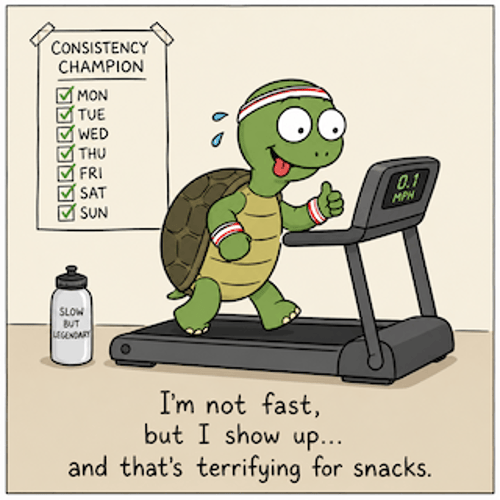
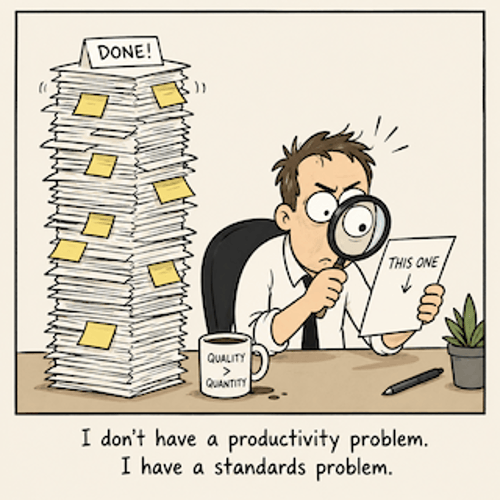
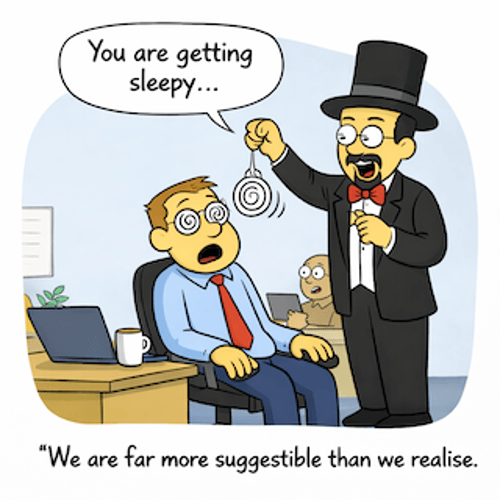
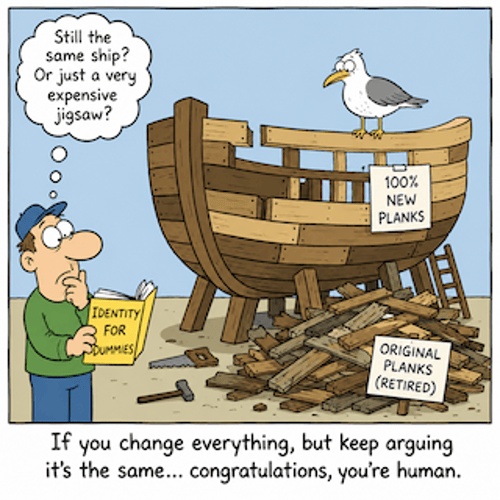
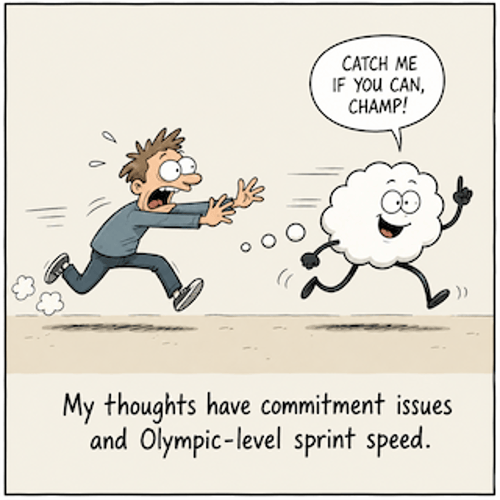
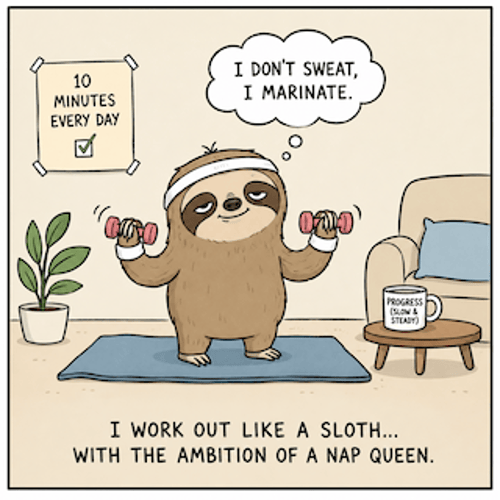
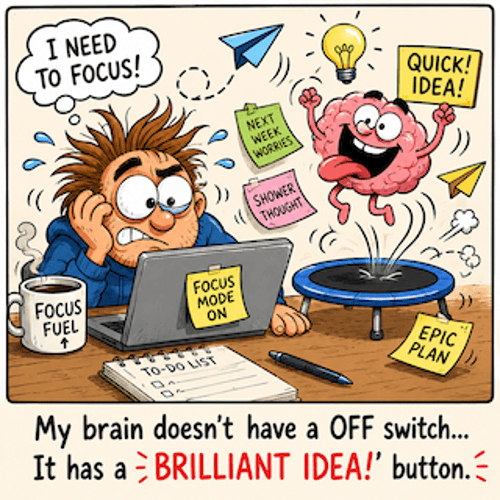
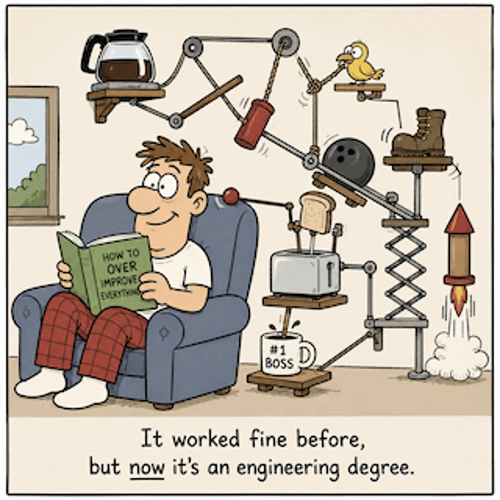
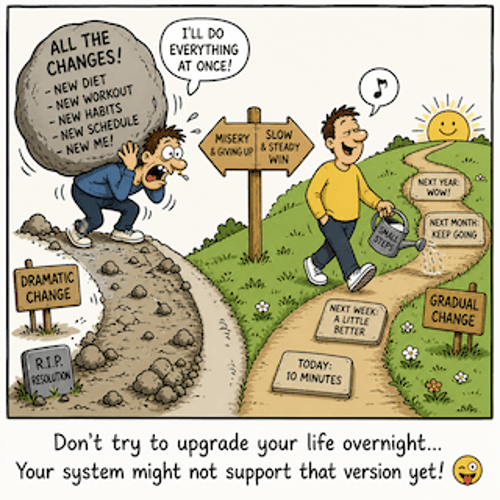
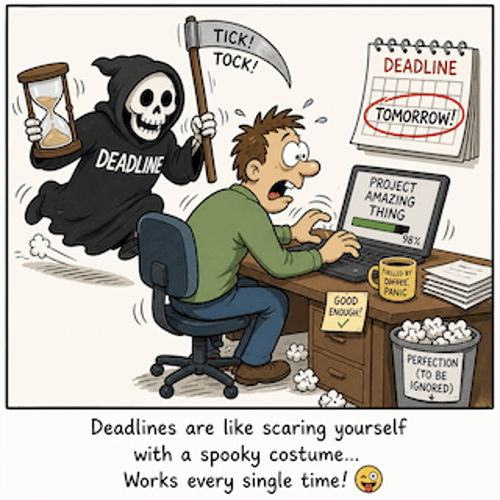
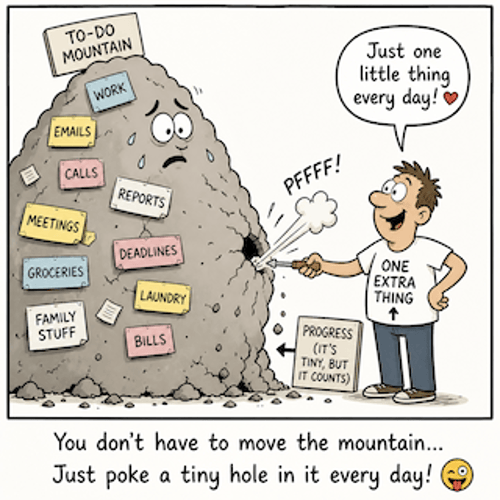

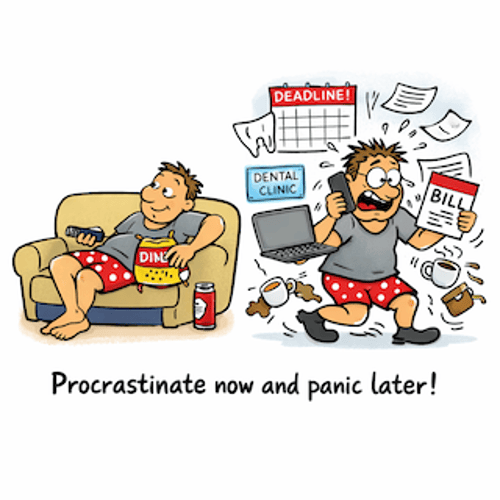

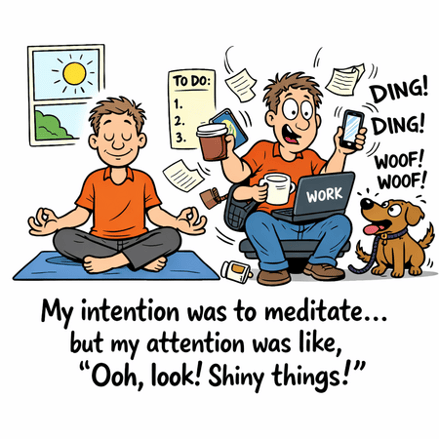
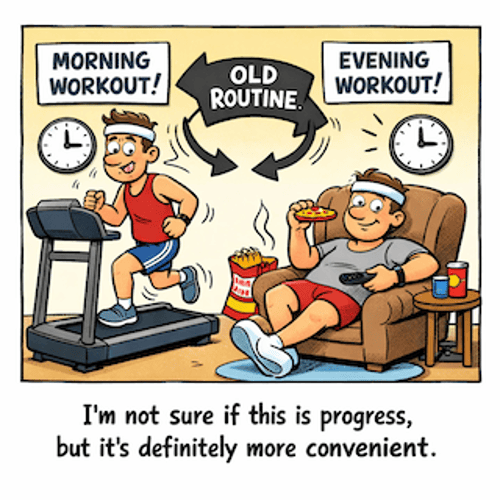
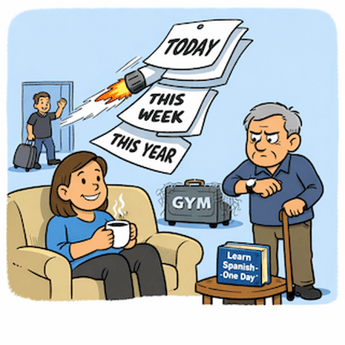


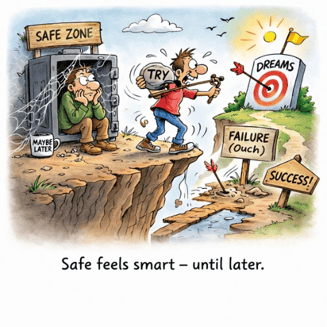


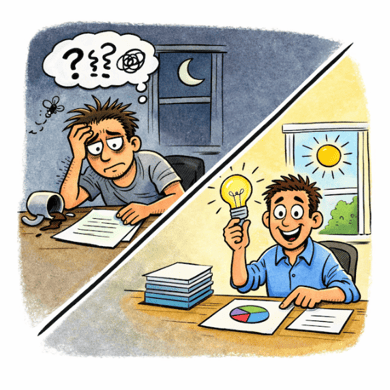
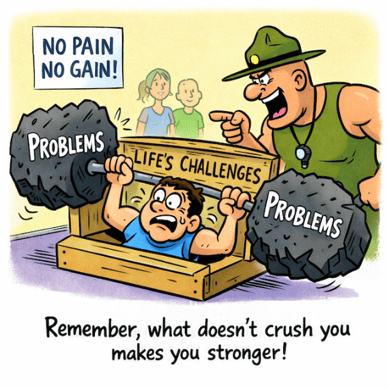




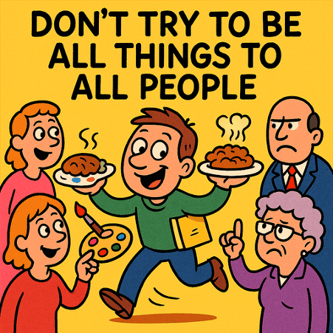



















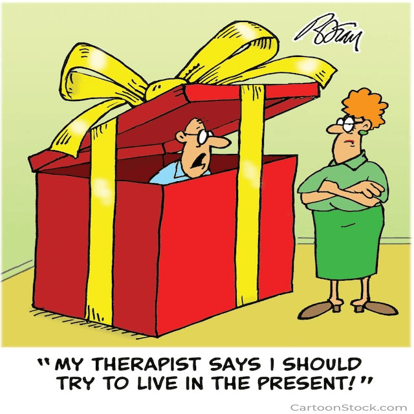







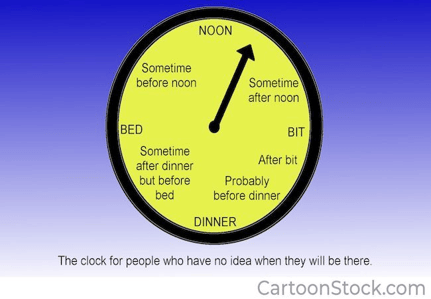

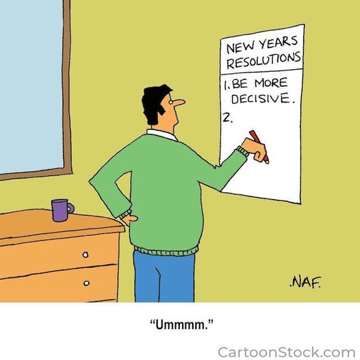
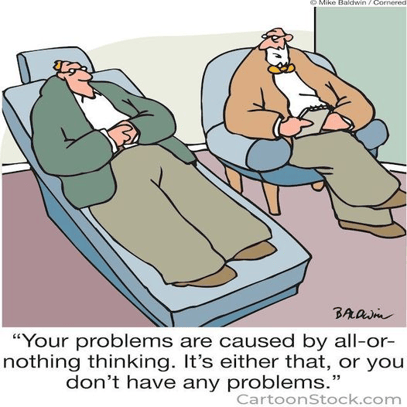

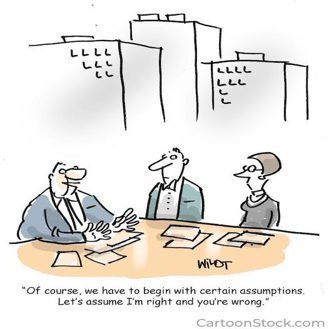








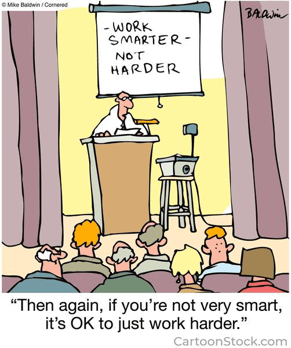
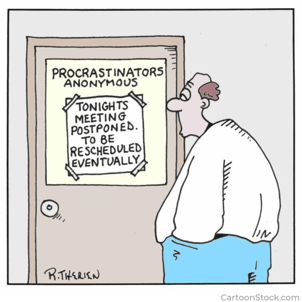

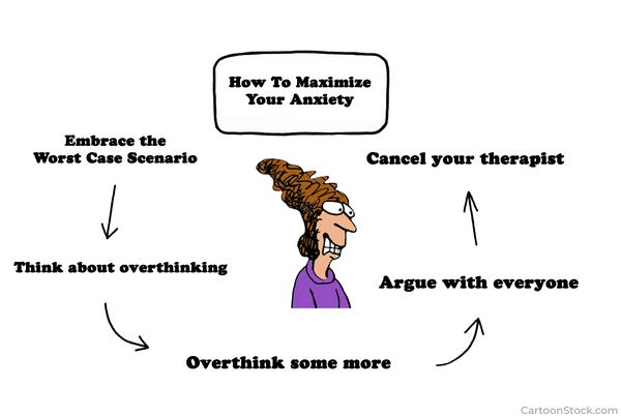









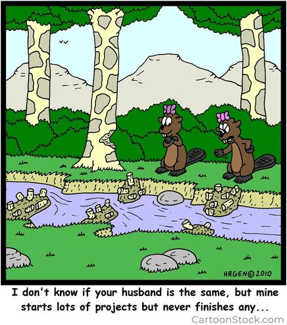





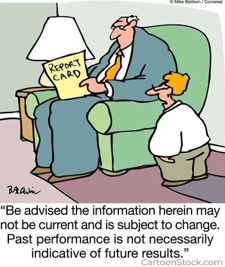
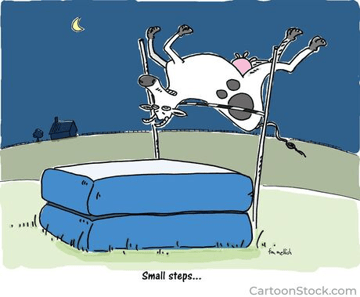
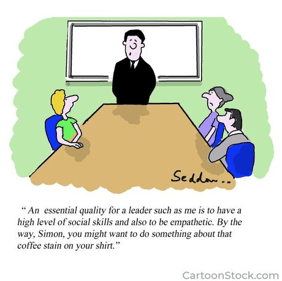
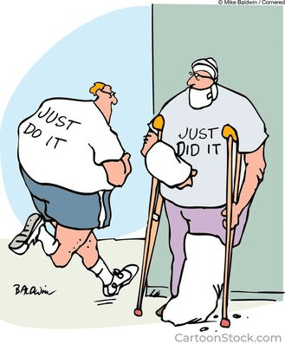






 🤔 Think Again